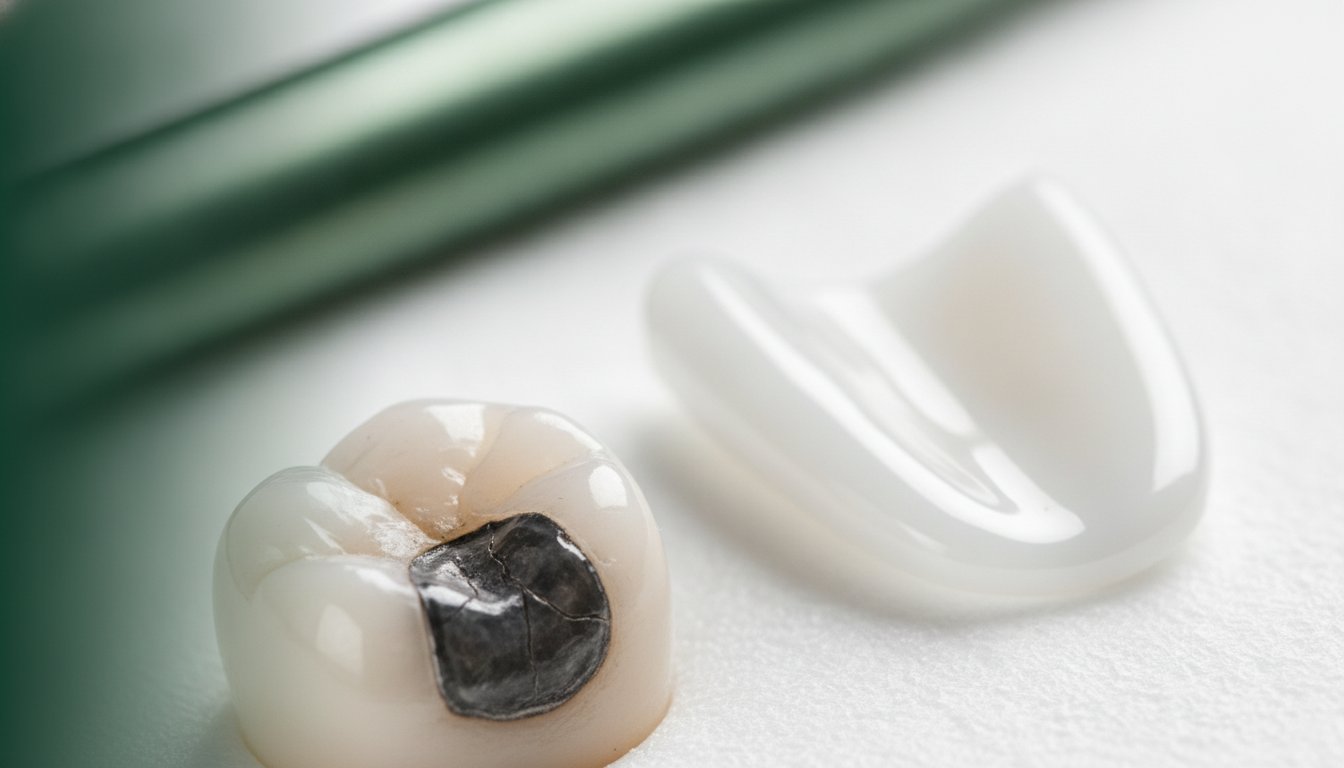
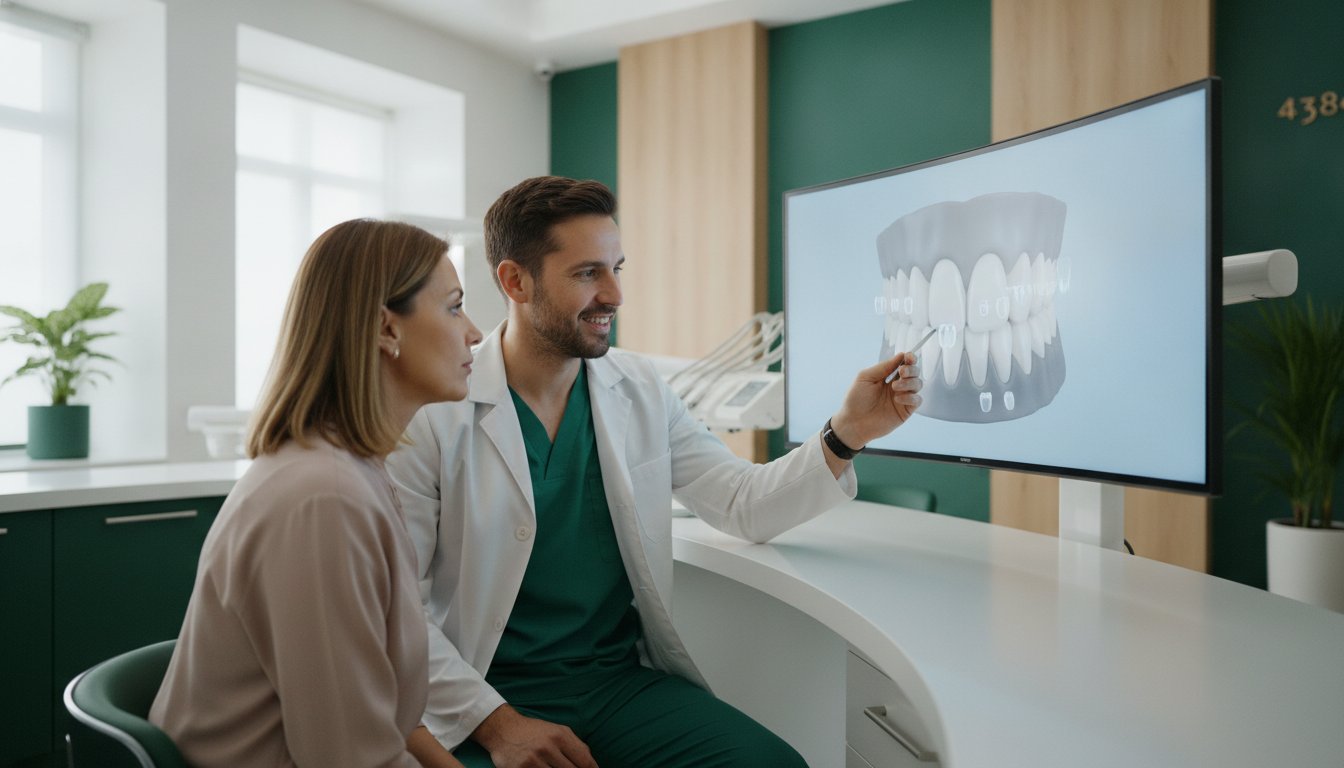
What if the persistent "brain fog" or that subtle metallic taste in your mouth isn't just a sign of a busy life, but a direct signal from your dental work? It's a question more people are asking as they search for how to know if my fillings are making me sick. You deserve to feel vibrant and clear, yet the presence of traditional silver amalgams can often create a quiet, systemic burden. With the European Union already prohibiting amalgam use as of January 2025, the global conversation around dental safety is moving toward a new standard of biocompatible care. We understand the anxiety that comes with conflicting advice and the desire for a health journey rooted in safety and aesthetic harmony.
Systemic health. Technical precision. You've likely sensed that your body's wellness is interconnected, and you're right to trust that intuition. This guide will help you discover the hidden links between mercury off-gassing and your daily vitality. We'll provide a clear checklist of symptoms to discuss with a biological professional and outline a refined plan for safe testing and removal. By bridging the gap between scientific precision and holistic warmth, we'll help you navigate the path toward true biocompatibility and long-term trust in your dental care.
Key Takeaways
- Recognize how the mouth serves as a gateway to systemic health and why your dental materials aren't truly inert.
- Identify sub-clinical symptoms across neurological and digestive systems to help you understand how to know if my fillings are making me sick.
- Uncover the daily triggers, such as friction and heat, that cause mercury amalgams to release invisible vapors into your system.
- Learn why biocompatibility testing is essential for selecting restorative materials that honor your body's unique chemistry.
- Discover the protective steps of the SMART protocol that prevent a mercury exposure spike during the restoration process.
The Systemic Connection: Can Dental Fillings Impact Whole-Body Wellness?
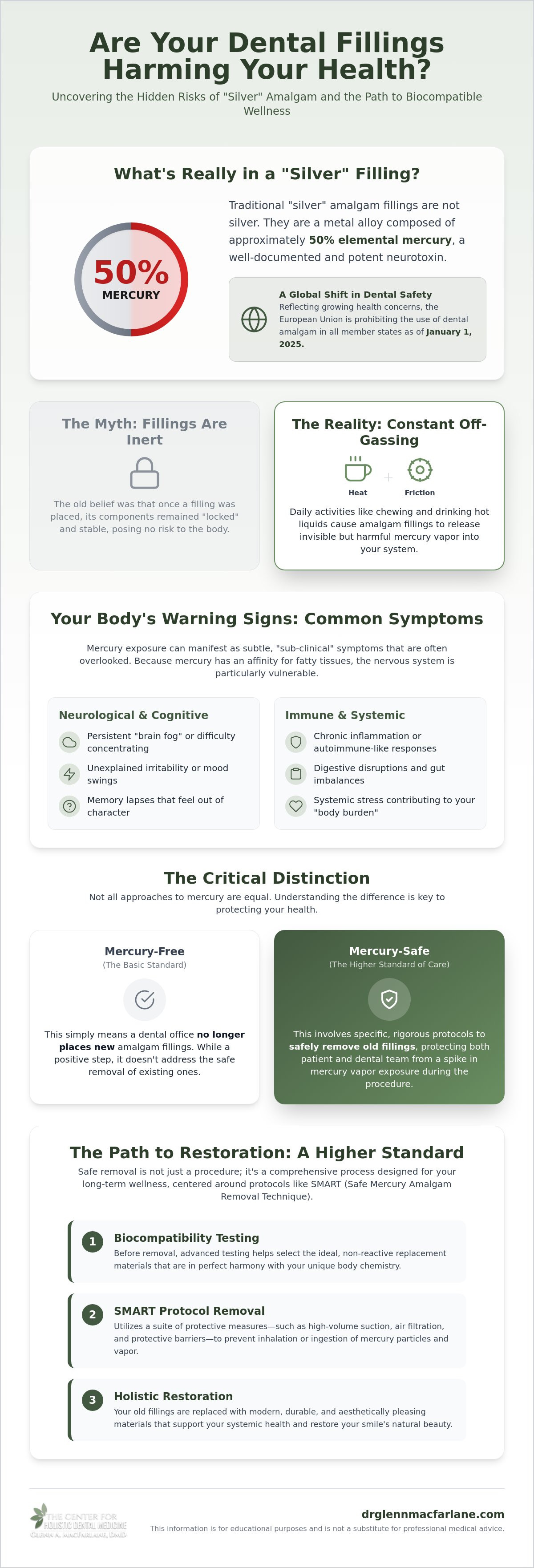
The mouth is not an island. It's the primary gateway to your entire biological system. When you're searching for how to know if my fillings are making me sick, you're looking for a connection that traditional medicine often overlooks. Your oral health is a direct reflection of your systemic wellness. Traditional silver fillings are often misunderstood; they are actually composed of approximately 50% elemental mercury, a potent neurotoxin. The dental amalgam controversy has highlighted these health risks for decades, yet many people still carry these materials in their teeth. We view these restorations as a significant contributor to your "body burden." This term refers to the cumulative physiological stress caused by toxic exposure over time. When your body's natural detoxification pathways become overwhelmed, symptoms begin to surface. It's a gradual process, but the impact on your vitality is profound.
Mercury-Free vs. Mercury-Safe Dentistry
Many modern dental offices identify as mercury-free. This simply means they've stopped placing new silver fillings in favor of composite resins. While this is a step toward safety, it's only half the story. Being mercury-safe is a much higher standard of care. It involves specific protocols designed to protect you from toxic vapor during the removal of old restorations. If you're wondering how to know if my fillings are making me sick, you need a practitioner who understands this critical distinction. Learning What is a Biological Dentist? will help you identify a partner who prioritizes your systemic harmony through technical excellence. We don't just look at teeth; we look at the person behind the smile.
The "Inert" Myth: Why Materials Matter
The old school of thought suggested that dental materials are inert. It was believed that once a filling was placed, it remained "locked" and stable forever. We now know this is a myth. The oral environment is incredibly harsh. It's subject to extreme temperature changes from hot coffee, friction from chewing, and chemical acidity from food. These factors cause fillings to degrade and leak over time. Microscopic particles and vapors are released, entering your bloodstream and tissues. This is why biocompatibility is the cornerstone of our practice. We use advanced testing to ensure that every material we use aligns with your unique biology. We replace the outdated with the sophisticated, ensuring your smile is both beautiful and healthy.
Common Symptoms: How to Know if Your Fillings Are a Health Burden
Understanding the signals your body sends is the first step toward restoration. If you've been wondering how to know if my fillings are making me sick, it's often because you're experiencing "sub-clinical" symptoms. These are subtle shifts in wellness that don't always trigger a red flag on a standard medical test; they exist in the space between "feeling fine" and a formal diagnosis. Because every individual possesses a unique genetic profile and varying levels of systemic resilience, the way your body reacts to dental materials is deeply personal. What one person processes with ease might create a significant burden for another, depending on their existing toxic load and detoxification efficiency.
Neurological and Cognitive Signs
Mercury has a known affinity for fatty tissues, particularly the central nervous system. This connection often manifests as persistent "brain fog," unexplained irritability, or sudden memory lapses that feel out of character. These aren't just signs of aging or a busy lifestyle. They are often the result of microscopic mercury vapor crossing the blood-brain barrier and impacting cognitive function. Many patients report a sense of renewed mental clarity and emotional stability following safe removal protocols that prioritize systemic harmony and technical excellence.
Immune System and Digestive Disruptions
Your immune system is constantly scanning for foreign invaders. When dental materials are perceived as a threat, they can trigger chronic inflammation or autoimmune-like responses that ripple through the entire body. This isn't just about the teeth; it's about how your biology manages constant, low-level stress. Additionally, swallowed mercury particles can alter the delicate balance of your gut microbiome, leading to digestive discomfort and impaired nutrient absorption. A common indicator of material degradation is dysgeusia, a persistent metallic taste in the mouth that often intensifies when chewing. According to FDA guidelines on amalgam fillings, certain high-risk groups, including those with impaired kidney function or neurological conditions, should be particularly cautious about these exposures.
If these symptoms resonate with you, it may be time to explore a more biocompatible approach to your oral health. You can schedule a comprehensive wellness assessment to begin your journey toward systemic balance and aesthetic harmony.
Reviewing this checklist is a practical way to begin understanding how to know if my fillings are making me sick before your next professional consultation:
- Frequent, unexplained headaches or migraines that resist standard care.
- Persistent fatigue that doesn't improve even with adequate rest.
- A metallic taste, especially after consuming hot liquids or spicy foods.
- Difficulty concentrating or a "foggy" feeling that disrupts your day.
- Known sensitivity to other metals found in jewelry or watches.
- Unexplained joint pain or muscle weakness that feels systemic rather than localized.
The Science of Off-Gassing: The Mechanism of Mercury Exposure
Mercury is a unique element. Unlike most metals, it remains in a liquid state at room temperature and begins to transition into an invisible, odorless gas the moment it's warmed. Within the context of your mouth, this process is known as off-gassing. When you search for how to know if my fillings are making me sick, understanding this physical reality is essential. These silver amalgams aren't static blocks of metal. They are dynamic materials that continuously release low levels of mercury vapor into the oral cavity. According to the EPA on mercury exposure from fillings, this inhalation of vapor is the primary way mercury enters the human body from dental work. Once inhaled, these vapors can pass through the lungs and into the bloodstream, where they circulate throughout your systemic architecture.
Temperature and Friction Triggers
While off-gassing occurs constantly, certain daily habits act as catalysts that dramatically increase the rate of release. Heat is the most significant trigger. Your morning cup of hot coffee or tea can cause a temporary spike in mercury vapor levels that far exceeds baseline measurements. Friction also plays a critical role. The simple act of chewing food, or even the mechanical polishing performed during a professional cleaning, creates enough surface heat to liberate more gas. Off-gassing is the primary route of elemental mercury inhalation from fillings. Over years or decades, these micro-exposures accumulate, contributing to the systemic burden we discussed previously. The International Academy of Oral Medicine and Toxicology (IAOMT) provides rigorous standards for measuring these levels, emphasizing that there is no truly "safe" level of mercury vapor exposure for the human body.
Oral Galvanism: The Battery in Your Mouth
A less discussed but equally important mechanism is oral galvanism. This occurs when two or more dissimilar metals are present in the mouth, such as a gold crown sitting near a silver amalgam filling. Your saliva acts as an electrolyte, turning your oral cavity into a miniature battery. This creates a measurable electrical current that flows between the different dental materials. This "battery effect" isn't just a curiosity. It's a technical concern because these currents accelerate the corrosion of the amalgam, leading to a faster release of mercury into your system. If you've ever felt a sharp, metallic "zing" while eating or noticed a persistent copper-like taste, you've likely experienced the symptoms of oral galvanism. It's another layer of complexity in the journey of how to know if my fillings are making me sick, highlighting why a comprehensive, biological assessment is so vital for your long-term vitality.
Systemic harmony requires technical excellence. By identifying these invisible electrical and chemical processes, we move beyond surface-level dentistry and into the realm of true wellness partnership.
Validating Your Concerns: Testing and Professional Assessment
Objective evidence. Clinical clarity. Your path to wellness begins with data that validates your intuition. While identifying symptoms is a vital first step in how to know if my fillings are making me sick, professional validation provides the technical certainty needed for a safe restoration plan. We approach this diagnostic phase with a blend of technical excellence and holistic warmth, ensuring every step honors your systemic harmony. A standard visual check is rarely sufficient; we utilize Digital X-rays and 3D Cone Beam Imaging to assess the physical integrity of your restorations and the health of the surrounding bone. We look for subtle signs of leakage, micro-fractures, and structural degradation that indicate a filling is no longer protective, but is instead contributing to your body burden.
Biocompatibility Testing: Personalizing Your Care
Every biological system is unique. A material that is tolerated by one individual may trigger a chronic inflammatory response in another. This is why Biocompatibility Testing is a non-negotiable cornerstone of our methodology. By utilizing sophisticated blood analysis, such as Clifford or MELISA testing, we can identify which specific dental materials your immune system accepts and which it perceives as a threat. This personalized approach removes the guesswork from your care, ensuring that any replacement materials we select align perfectly with your unique chemistry. It's about moving beyond "standard" care and toward a refined, health-conscious experience that supports your long-term vitality.
Heavy Metal Load Assessments
Understanding your total body burden requires a nuanced perspective on how mercury interacts with human tissue. Traditional blood tests often only measure "circulating" mercury, which typically reflects very recent or acute exposure. However, because mercury is lipophilic, it often migrates out of the bloodstream and becomes "stored" in organs and the central nervous system. This is why a "normal" blood result can be misleading for someone investigating how to know if my fillings are making me sick. We often recommend functional testing, including hair or urine analysis, to provide a more comprehensive view of heavy metal accumulation. Interpreting these complex results requires a practitioner who looks beyond immediate symptoms to treat the individual as a whole, maintaining a patient-centric and empathetic outlook throughout the process.
Safe restoration. Systemic balance. If you're ready to move beyond uncertainty and gain a clear, evidence-based understanding of your oral health, you can request a comprehensive biological evaluation today. We're here to serve as your expert guide on the journey toward aesthetic and functional excellence.
The Path to Restoration: SMART Amalgam Removal and Beyond
Deciding on the next step requires a clear plan. If you've reached the point where you're searching for how to know if my fillings are making me sick, the focus shifts from diagnosis to safe restoration. Traditional removal techniques often overlook the risks of acute exposure. When a dentist drills into an amalgam filling without a protective protocol, the friction creates an immediate surge of mercury vapor. This can lead to a temporary spike in your body burden. We solve this through a meticulous, evidence-based approach that prioritizes your safety and systemic harmony. By utilizing specialized barriers and filtration, we ensure that the removal process is as gentle as it is effective.
The SMART Protocol: A Sophisticated Safety Standard
Safety is paramount. Technical excellence in this area requires specialized equipment that goes far beyond standard dental tools. We implement SMART Amalgam Removal: Mercury-Safe Care, Elevated to ensure a refined and secure experience. This protocol is a comprehensive methodology designed to minimize exposure for everyone in the treatment suite. Our clinical team utilizes a series of protective layers to maintain a pristine environment:
- Non-latex dental dams that isolate the tooth and prevent the ingestion of metal particles.
- High-volume suction and specialized air filtration systems designed to capture vapors at the source.
- External oxygen or filtered air for the patient to ensure you aren't inhaling ambient gas during the procedure.
- Large-scale ionizers and HEPA filters that maintain a clean, safe environment for both the patient and the clinical team.
Restoring Harmony with Biocompatible Materials
Once the old materials are safely cleared, we focus on restoring your smile with substances that honor your biology. We utilize Mercury-Free Composite Fillings and Zirconia for their superior biocompatibility and aesthetic harmony. These materials don't just function well; they look and feel like natural teeth, blending seamlessly into your smile. It's a premium, life-changing experience that restores both function and confidence. A truly holistic approach doesn't end when you leave the chair. We emphasize a recovery plan that includes proper hydration and nutritional support to assist your body's natural detoxification pathways. This journey from understanding a philosophy to trusting a specific methodology ensures your long-term health remains the priority. You deserve a smile that's as healthy as it is beautiful, crafted with the wisdom of modern biological science.
Restoring Your Systemic Harmony
Your journey toward wellness is a deeply personal endeavor. By understanding the science of off-gassing and the subtle signals of your body, you've taken the first step in discovering how to know if my fillings are making me sick. True vitality emerges when your oral health and systemic architecture work in perfect alignment. Transitioning to biocompatible materials isn't just about aesthetics; it's about reducing your body burden and choosing a path of long-term safety. Systemic balance. Refined care.
We provide a sophisticated experience rooted in over 35 years of clinical excellence in biological dentistry. Utilizing advanced 3D Cone Beam imaging for precise diagnostics, we ensure every detail of your health is visible and understood. As a practitioner accredited in the SMART protocol for safe mercury removal, Dr. MacFarlane offers the technical precision and holistic warmth your body requires for a safe transition.
Experience a higher standard of mercury-safe care; consult with Dr. MacFarlane today.
You deserve to feel clear, vibrant, and confident in your wellness. We're ready to serve as your expert guide on this life-changing path toward aesthetic and functional excellence.
Frequently Asked Questions
Can old silver fillings cause brain fog or chronic fatigue?
Yes, persistent brain fog and chronic fatigue are frequently reported symptoms of low level mercury exposure. Because mercury vapor can cross the blood brain barrier, it often impacts cognitive clarity and systemic energy levels. Many patients find that their mental sharpness returns once the source of systemic stress is safely addressed through biological care and refined restoration techniques.
Is it safe to have all my mercury fillings removed at once?
Safety is always the priority. Whether you remove all fillings at once or phase the treatment depends on your unique body burden and immune resilience. We assess your health profile to ensure your detoxification pathways can handle the transition without being overwhelmed. A steady, logical pace often yields the most predictable results for your long term wellness and systemic harmony.
What is the best test to see if my fillings are toxic?
Biocompatibility testing is the most effective way to identify if your body is reacting to specific dental materials. While hair and urine tests measure the mercury currently stored in your tissues, a blood test like MELISA or Clifford identifies your immune system's specific sensitivities. This data is vital for anyone asking how to know if my fillings are making me sick before starting their restoration journey.
Why does my traditional dentist say my amalgams are fine?
Traditional dentistry typically evaluates fillings based on their structural integrity and the absence of new decay. A biological perspective looks deeper, considering the systemic impact of mercury off gassing and oral galvanism. While a filling might look functional on the surface, it could still be contributing to a sub clinical health burden that affects your whole body wellness and aesthetic harmony.
What is the SMART protocol for mercury removal?
The SMART protocol is a specialized safety standard designed to protect you from mercury vapor during the removal process. It utilizes high volume suction, non latex dental dams, and external oxygen sources to minimize inhalation of toxic particles. This refined methodology ensures that the process of improving your health doesn't inadvertently cause a temporary spike in mercury exposure.
How long does it take to feel better after removing toxic fillings?
Every individual's recovery timeline is unique. Some people experience a sense of mental clarity almost immediately, while others notice a gradual improvement in energy over several weeks or months. Supporting your body's natural detoxification through nutrition and hydration is an essential part of this health conscious journey. We focus on long term trust and wisdom throughout your recovery phase.
Are there metal-free alternatives for dental crowns and implants?
Yes, sophisticated metal free options like Zirconia dental implants and porcelain veneers are excellent for biocompatible restoration. These materials offer superior aesthetic harmony and functional excellence without the risks of corrosion or electrical currents in the mouth. Choosing these cutting edge alternatives ensures your dental work supports your body's organic values and systemic balance.
Can mercury fillings cause a metallic taste in my mouth?
A persistent metallic taste is a primary indicator that your dental materials are degrading. This sensation often signals that mercury vapor or metal ions are being released into your oral cavity, especially when triggered by heat or friction. If you're wondering how to know if my fillings are making me sick, this specific symptom is a clear sign that your fillings may be impacting your wellness.