
What if your dental restorations could do more than just fill a gap; what if they could actually harmonize with your body's immune system? As of June 2026, the era of dental mercury is rapidly closing, and selecting the right biocompatible filling materials after amalgam removal is now a priority for those seeking systemic health. You may feel a sense of urgency to address old silver fillings, yet the fear of hidden toxins like BPA or the risk of mercury exposure often causes hesitation. It's a valid concern, and you deserve a solution that prioritizes your wellness over mere convenience.
This guide will show you how modern biological dentistry replaces toxic mercury with personalized materials that support your long-term vitality. We'll explore the latest advancements in bioactive composites and high-strength ceramics that offer a precise match for your unique chemistry. You'll learn how a mercury-free mouth and restorations that look natural can provide the peace of mind that your dental work supports your immune system.
Key Takeaways
- Understand why being mercury-free is only the first step toward true systemic wellness and how material selection impacts your overall health.
- Discover the diverse range of biocompatible filling materials after amalgam removal, including BPA-free composites and high-strength ceramics tailored to your needs.
- Learn how personalized serum biocompatibility testing identifies specific sensitivities to ensure your dental restorations harmonize with your immune system.
- Explore the critical role of the SMART protocol in ensuring a safe, non-toxic transition during the removal of old silver fillings.
- Gain peace of mind by choosing restorative solutions that prioritize both aesthetic beauty and long-term biological safety.
Beyond Mercury-Free: Why Material Selection Matters After Amalgam Removal
Simply choosing a mercury-free office is no longer the pinnacle of care. While the global phase-out of dental amalgam is well underway in 2026, the real challenge lies in what replaces those old fillings. True restoration requires a deep understanding of how specific dental restorative materials interact with your unique biochemistry. If a replacement material triggers even a low-grade immune response, the body remains in a state of chronic stress. We view dental health as an integral part of systemic wellness, where every restoration must contribute to harmony rather than adding to your systemic load.
Modern biological dentistry defines biocompatibility through the lens of the ISO 10993-1:2025 standard, published in late 2025. This updated framework moves away from generic safety checklists. It focuses instead on a structured, risk-based evaluation of how materials behave throughout their entire lifecycle in the mouth. When selecting biocompatible filling materials after amalgam removal, we aren't just looking for a "white" filling. We're seeking a biological match that respects your immune system's boundaries. This personalized approach replaces the outdated "one-size-fits-all" model with precision-crafted care that treats the individual as a whole.
The Legacy of Silver Amalgams
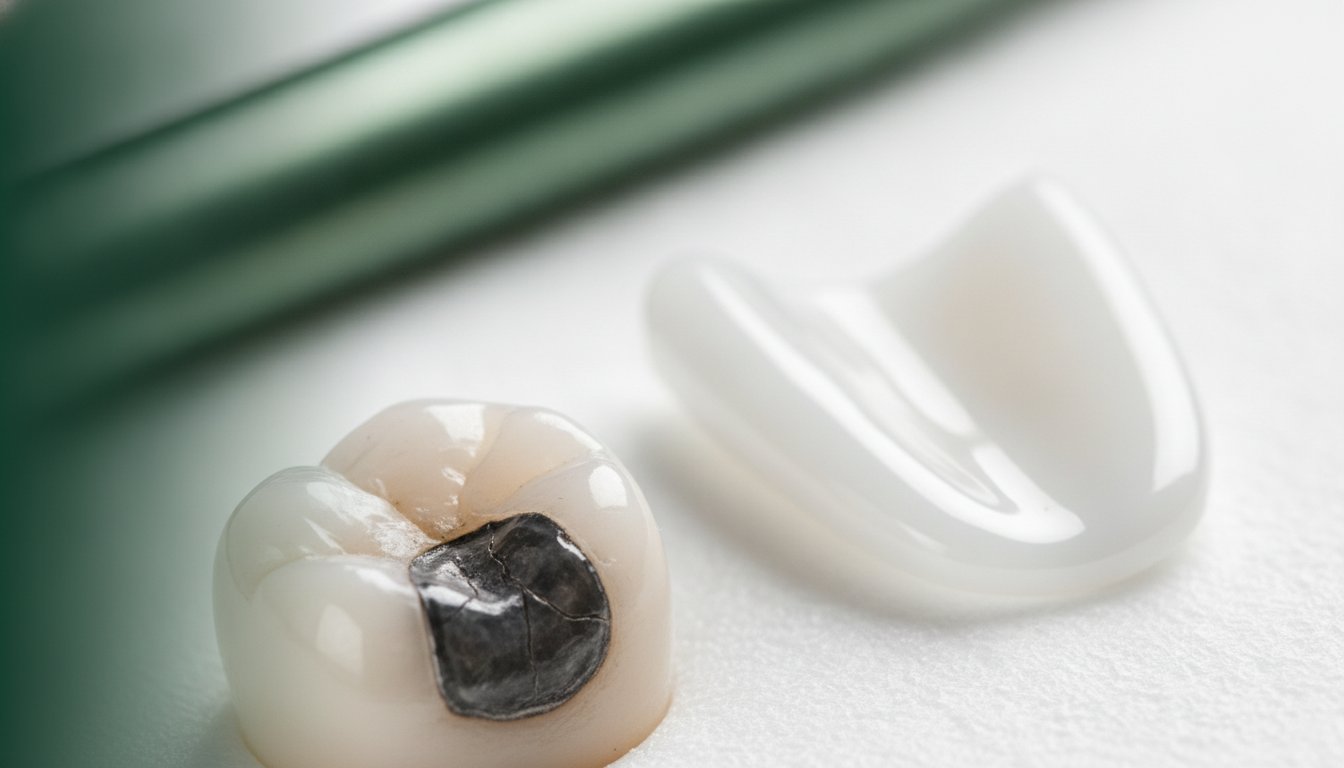
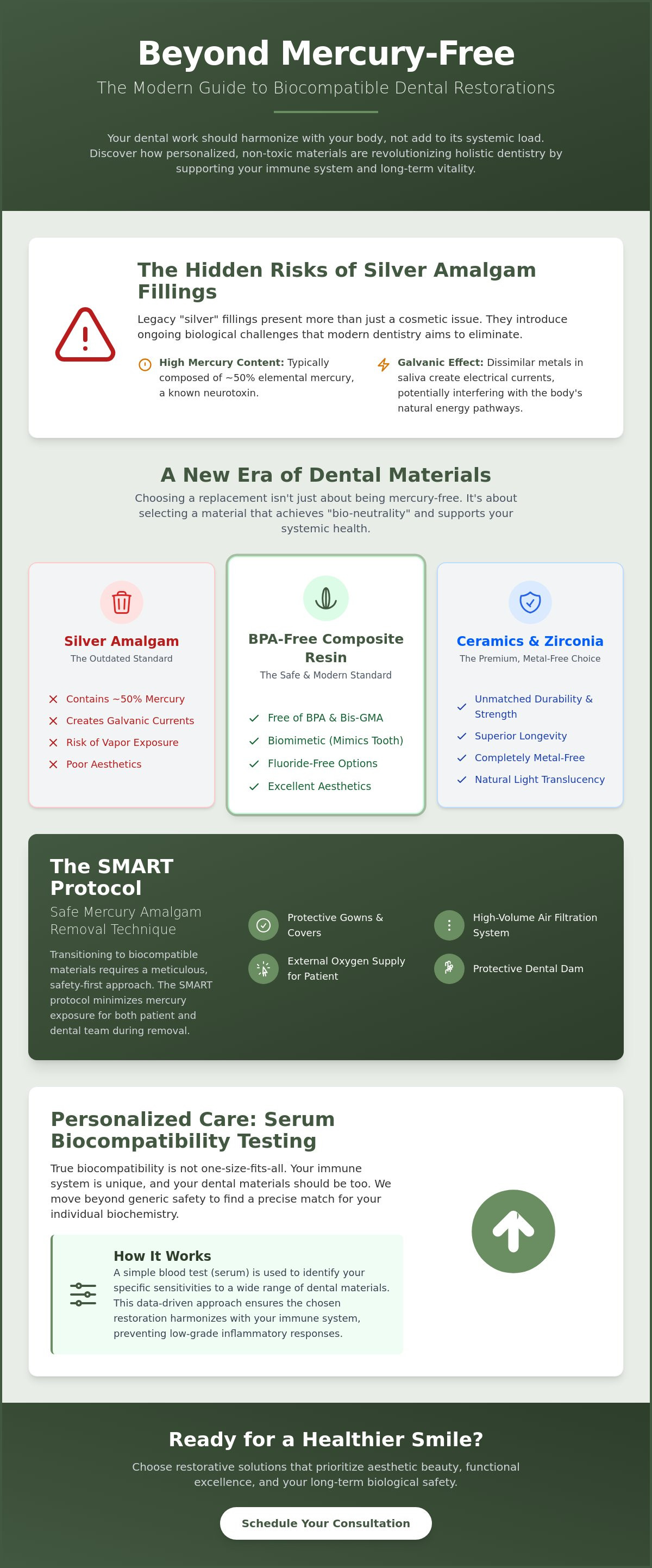
Silver amalgam is a complex alloy typically composed of roughly 50% elemental mercury, combined with silver, tin, and copper. Beyond the chemical toxicity of mercury vapor, these fillings create a "galvanic effect" in the oral environment. Because they're made of dissimilar metals bathed in saliva, they essentially act like a tiny battery. This generates measurable electrical currents within the mouth. These currents can interfere with the body's natural bio-electrical meridians and subtle energy pathways, potentially affecting distant organs and systemic balance.
The Goal of Biocompatible Restorations
The objective of a modern restoration is to achieve "bio-neutrality," where the body accepts the material as if it were natural tissue. We utilize advanced ceramics and resins that mimic the physical elasticity and thermal expansion of natural enamel. This ensures the tooth remains structurally sound while looking indistinguishable from its neighbors. By selecting biocompatible filling materials after amalgam removal that are free from BPA and sensitizing monomers, we reduce the immunological burden on your system. The result is a smile that is functionally excellent, aesthetically refined, and biologically supportive.
Exploring the Spectrum of Biocompatible Restorative Materials
Selecting the right restoration is a delicate balance of science and artistry. While FDA information on dental amalgam highlights the composition of silver fillings, the focus in 2026 has shifted toward the biological impact of replacement materials. Choosing biocompatible filling materials after amalgam removal involves evaluating the cavity size and your body's unique sensitivities. It's about finding a material that doesn't just fill a hole, but actually supports your systemic vitality. We prioritize materials that respect your body's boundaries while providing lasting function.
BPA-Free Composite Resins
Traditional white fillings often contain Bis-GMA, a resin derived from BPA. This has raised concerns about endocrine disruption for years. Modern biological resins have evolved beyond these old standards. They're now Bis-GMA free, offering a safer alternative for health-conscious patients. These materials are designed to be biomimetic. They expand and contract at rates nearly identical to natural tooth structure. This prevents the micro-fractures common with older, stiffer materials. For patients with chemical sensitivities, we prioritize fluoride-free options to keep the restoration as bio-neutral as possible.
Ceramics and Zirconia: The Premium Alternatives
When a tooth has lost significant structure, a simple filling isn't enough. Porcelain inlays and onlays offer superior longevity. They're lab-crafted to fit like a puzzle piece, restoring the tooth's original strength. Zirconia has emerged as the premier choice for those seeking metal-free durability. Much like the benefits of zirconia dental implants, zirconia crowns and onlays provide unmatched resilience without using titanium. These ceramics also allow for light transmission. They mimic the translucency of natural teeth, ensuring your smile looks refined and organic.
Choosing between direct and indirect restorations depends on your specific needs. Direct restorations, like composite fillings, are completed in one visit and work well for minor repairs. Indirect restorations, such as onlays or crowns, require a more involved process but offer far better protection for teeth under heavy chewing pressure. Selecting biocompatible filling materials after amalgam removal is a commitment to your future health. If you're ready to transition toward a healthier mouth, you can explore our restorative philosophy to see how we prioritize your long-term wellness.
Biocompatibility Testing: Personalizing Your Dental Restoration
Precision matters. Safety is personal. In our practice, we don't assume a material is safe just because it's mercury-free. While we have already explored the various options for biocompatible filling materials after amalgam removal, the most critical step is ensuring the chosen composite or ceramic won't trigger systemic inflammation. Finding the right material isn't a guessing game; it's a scientific inquiry into your body's specific immune response. This is where serum biocompatibility testing transforms standard care into a personalized wellness strategy that respects your unique biology.
Chronic inflammation is often the body's response to a perceived foreign invader. If a filling material leaks trace amounts of a monomer or chemical your body dislikes, your immune system stays on high alert. This constant, low-grade activation can tax your vitality and contribute to systemic stress over time. By identifying these triggers beforehand, we remove the guesswork from your restoration journey. We believe that your dental work should be an invisible ally to your immune system, never a burden.
The Science of Serum Testing
We utilize advanced blood analysis, such as Clifford Materials Reactivity Testing (CMRT) or modern equivalents, to screen your serum against over 100 dental components. The process is simple yet profound. A single blood draw allows a specialized lab to observe how your antibodies react to specific resins, metals, and cements. You receive a detailed report categorizing materials as non-reactive or reactive. This data allows for a truly bespoke clinical plan tailored to your blood chemistry. It's a fundamental part of understanding what is a biological dentist; we look beyond the tooth to protect the entire person.
Who Should Consider Testing?
Not everyone requires this level of depth, but for many, it's a vital safeguard. Individuals with autoimmune disorders, chronic fatigue, or known environmental sensitivities often find that dental materials are a hidden source of systemic load. Even the FDA Recommendations for High-Risk Groups suggest that certain populations should be extra cautious with dental materials. Testing prevents a trial and error approach to your health. It ensures your biocompatible filling materials after amalgam removal are actually compatible with you, not just a generic industry standard. This level of preventive health assurance is the hallmark of refined, modern care.
The SMART Protocol and the Transition to Non-Toxic Materials
The process of clearing your system of mercury is just as vital as the quality of the new restoration. Even the most advanced biocompatible filling materials after amalgam removal cannot reach their full potential if the removal process itself floods your body with toxic vapor. We view the transition as a two-part harmony: a meticulous, safe extraction followed by a refined, health-conscious replacement. This ensures your journey toward systemic restoration begins on a clean, stable foundation. Our practice adheres to the safe mercury filling removal new jersey standards, which are based on the rigorous SMART guidelines. This isn't just about being "mercury-free"; it's about being "mercury-safe."
The SMART Removal Framework
Developed by the International Academy of Oral Medicine and Toxicology (IAOMT), the SMART protocol utilizes a comprehensive array of physical barriers to protect your health. We use a non-latex rubber dam to isolate the tooth, preventing you from swallowing or inhaling particulate matter. High-volume suction and specialized vacuum systems capture mercury vapor at the source, while an external oxygen source ensures you breathe only clean, purified air. These layers of protection are essential because mercury is most volatile when it's being disturbed by a dental drill. Our facility also utilizes medical-grade air filtration to maintain a pristine clinical environment, ensuring that the air you breathe during the procedure is as pure as the materials we place.
Preparing the Tooth for New Life
Once the old alloy is gone, the underlying tooth structure requires careful decontamination. Mercury can migrate into the microscopic tubules of the dentin, and residual bacteria may still be present under old fillings. This is where ozone therapy plays a pivotal role. Ozone is a powerful, naturally occurring gas that effectively kills pathogens and neutralizes toxins without the use of harsh chemicals. Applying ozone to the freshly cleaned tooth surface does more than just disinfect. It stimulates local blood flow and enhances the tooth's ability to bond with your new biocompatible filling materials after amalgam removal. This creates a sterile, high-energy environment that promotes healing and ensures the longevity of your restoration. By combining advanced technology with biological wisdom, we ensure your mouth is truly ready for its next chapter. If you're ready to experience this elevated standard of care, you can schedule your consultation to begin your systemic restoration.
Elevating Your Health with Biocompatible Restorative Care
The choice to upgrade your dental restorations is a profound step toward comprehensive wellness. By prioritizing biocompatible filling materials after amalgam removal, you're doing more than just fixing a tooth; you're honoring your body's complex biological systems. We see this transition as a bridge between technical excellence and holistic integrity. It's a journey from feeling concerned about hidden toxins to feeling empowered by a smile that's both beautiful and biologically safe. Precision and peace. Science and soul. These values guide every restoration we place.
Your dental health is the gateway to systemic vitality. When we remove old mercury fillings, we're clearing the path for your body to function without the burden of heavy metal exposure. This isn't a mere service; it's a collaborative partnership in your health. We believe that modern dentistry must look beyond the mouth to treat the individual as a whole, maintaining a patient-centric outlook that values long-term trust over immediate symptoms. Every restoration is an opportunity to enhance your systemic harmony.
The Long-Term Impact of Holistic Restoration
Removing reactive metals and electrical currents from the oral environment often leads to a noticeable reduction in systemic inflammation. When the immune system is no longer occupied by foreign stressors, it can redirect its energy toward repair and vitality. Beyond the physiological benefits, metal-free restorations offer an aesthetic refinement that traditional materials simply can't match. Ceramics and high-end resins possess a light-reflecting quality that mirrors natural enamel, creating a vibrant, confident smile. There's a deep, lasting peace of mind that comes from knowing every material in your mouth was selected based on your unique serum profile.
Your Journey to Systemic Wellness
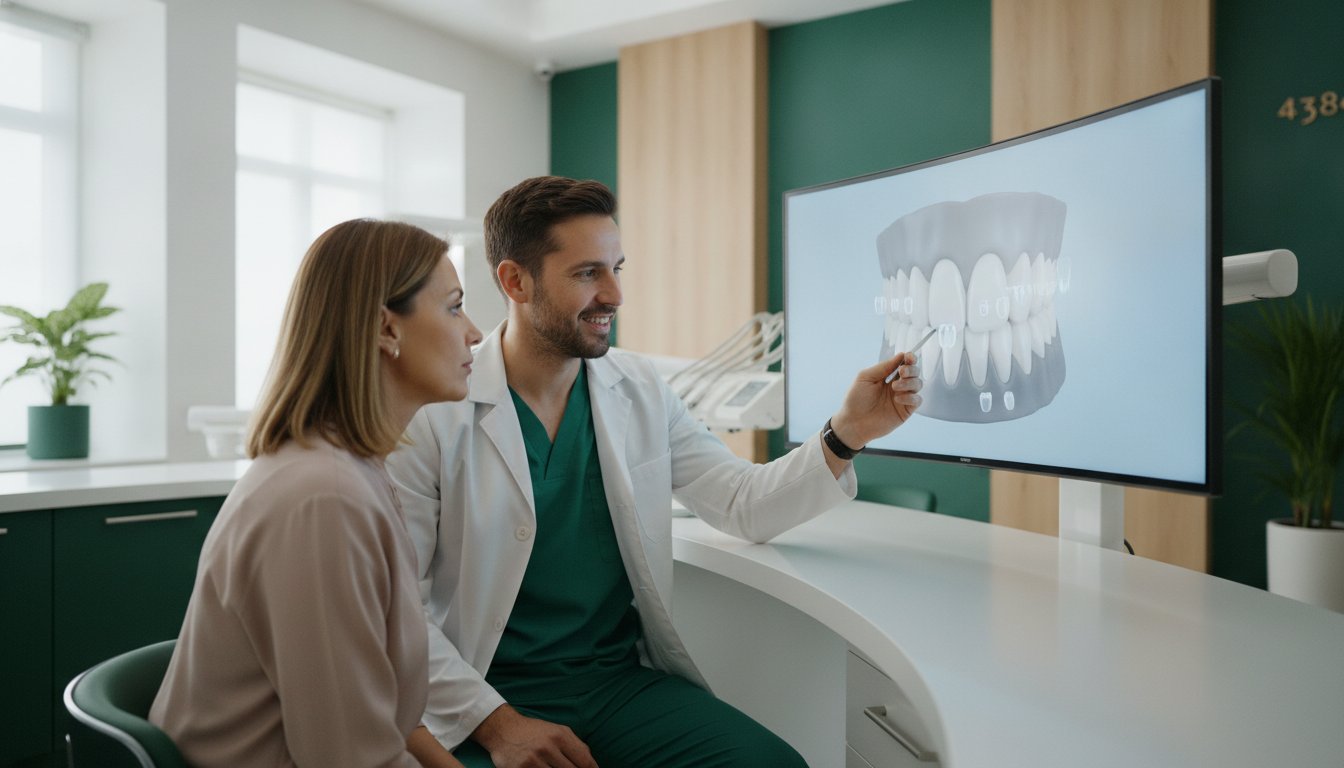
Every patient's path is distinct. We begin with a thorough evaluation, utilizing digital X-rays and 3D Cone Beam Imaging to gain a precise understanding of your oral landscape. This advanced planning ensures that your SMART removal and the subsequent placement of biocompatible filling materials after amalgam removal are executed with surgical accuracy and clinical grace. We invite you to view your dental health as a cornerstone of your overall wellness strategy, where every decision is made with your long-term health in mind.
Our commitment is to provide a sanctuary of safety and sophistication. We combine years of professional wisdom with the latest innovations in biological dentistry to guide you toward a mercury-free future. You don't have to navigate the confusion of conflicting advice alone. We're here to serve as your wellness partner, ensuring that your dental care supports your immune system and enhances your quality of life. Schedule your consultation with Dr. MacFarlane today.
Your Future of Systemic Vitality Begins Here
A healthier, more vibrant smile is within reach. You now understand that a truly non-toxic restoration goes beyond just being mercury-free; it requires a personalized match for your unique biology. By combining the safety of the SMART protocol with individualized testing, we ensure that your dental care works in harmony with your immune system. Choosing biocompatible filling materials after amalgam removal is a transformative decision that prioritizes your systemic health and long-term vitality.
With over 35 years of clinical excellence, our practice provides a refined experience that balances organic values with modern science. We utilize advanced 3D imaging and ozone therapy integration to provide the most precise and safe restorative care possible. As a SMART certified provider by the IAOMT, we're dedicated to your safety and aesthetic harmony. It's time to invest in a smile that supports your whole self. Experience Systemic Wellness: Schedule Your Biocompatible Consultation and begin your journey toward a more balanced, radiant life.
Frequently Asked Questions
Are biocompatible fillings as strong as traditional metal amalgams?
Modern materials like zirconia-reinforced composites and high-strength ceramics often exceed the structural integrity of old alloys. Unlike amalgam, which can expand and crack teeth over time, these materials bond directly to the tooth structure. This reinforces the remaining enamel and provides a more stable, long-term result that mimics the natural elasticity of your teeth.
Does insurance cover biocompatibility testing for dental materials?
Coverage varies significantly depending on your specific plan and provider. While some insurance companies may reimburse for blood tests under medical necessity if you have documented sensitivities, many consider this a preventive wellness service. It's best to check with your insurance carrier directly to understand your specific benefits and any potential out-of-pocket responsibilities.
How long does the SMART amalgam removal process typically take?
A single SMART removal appointment usually takes between 60 and 90 minutes. This timeframe includes the extensive setup of safety equipment, the careful extraction of the old material, and the placement of your new restoration. We prioritize precision and safety over speed to ensure a mercury-safe environment is maintained throughout the entire procedure.
Is it necessary to replace all my silver fillings at once?
You don't have to replace all fillings simultaneously; we often recommend a phased approach based on your systemic health and priorities. We focus first on teeth with visible cracks, decay, or those causing the highest galvanic stress. This allows your body to process the transition more comfortably and ensures each restoration is performed with meticulous care.
What is the difference between a mercury-free and a mercury-safe dentist?
A mercury-free dentist simply doesn't place new silver fillings, while a mercury-safe dentist follows rigorous protocols like SMART to protect you during the removal of old ones. We are mercury-safe, meaning we use specialized filtration, physical barriers, and high-volume suction to prevent mercury vapor exposure. This distinction is crucial for protecting your systemic health during the restorative process.
Can biocompatible materials help with my existing metal allergies?
Choosing biocompatible filling materials after amalgam removal can significantly reduce the immunological stress caused by metal sensitivities. By replacing reactive alloys with bio-neutral ceramics or BPA-free resins, we eliminate a primary source of chronic inflammation. This shift helps your immune system return to a state of balance and reduces the overall systemic load on your body.
What happens if I am reactive to the composite resin used for fillings?
If your biocompatibility testing identifies a sensitivity to a specific resin, we simply select an alternative material that is labeled as non-reactive for your body. There are dozens of different biocompatible filling materials after amalgam removal available in 2026. Our goal is to ensure that every material we place is a perfect biological match for your unique chemistry before the procedure begins.
How does ozone therapy improve the success of a new filling?
Ozone therapy acts as a powerful disinfectant that reaches deep into the microscopic pores of the tooth structure where traditional cleaners can't go. It kills residual bacteria and neutralizes acidic waste products that could otherwise lead to secondary decay. By creating a sterile surface, ozone improves the bond between the tooth and the new material, ensuring a more durable restoration.