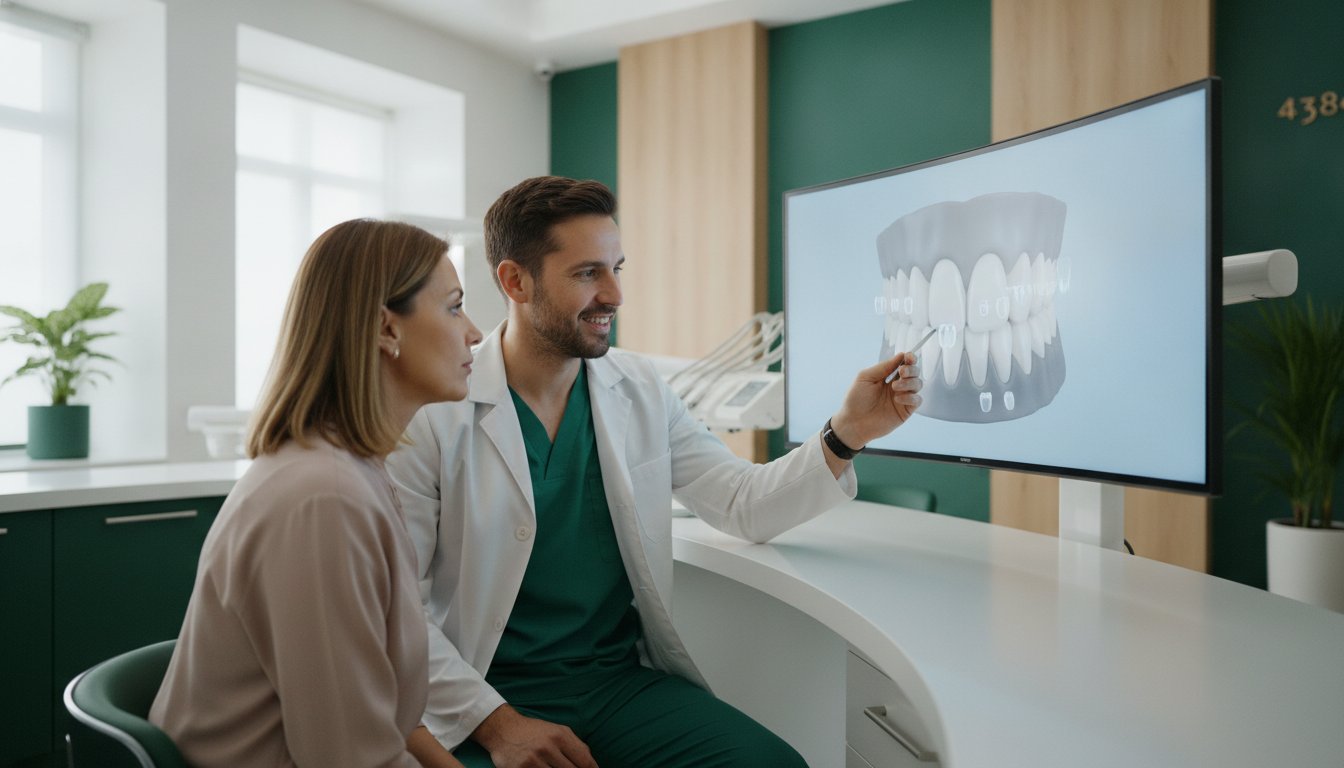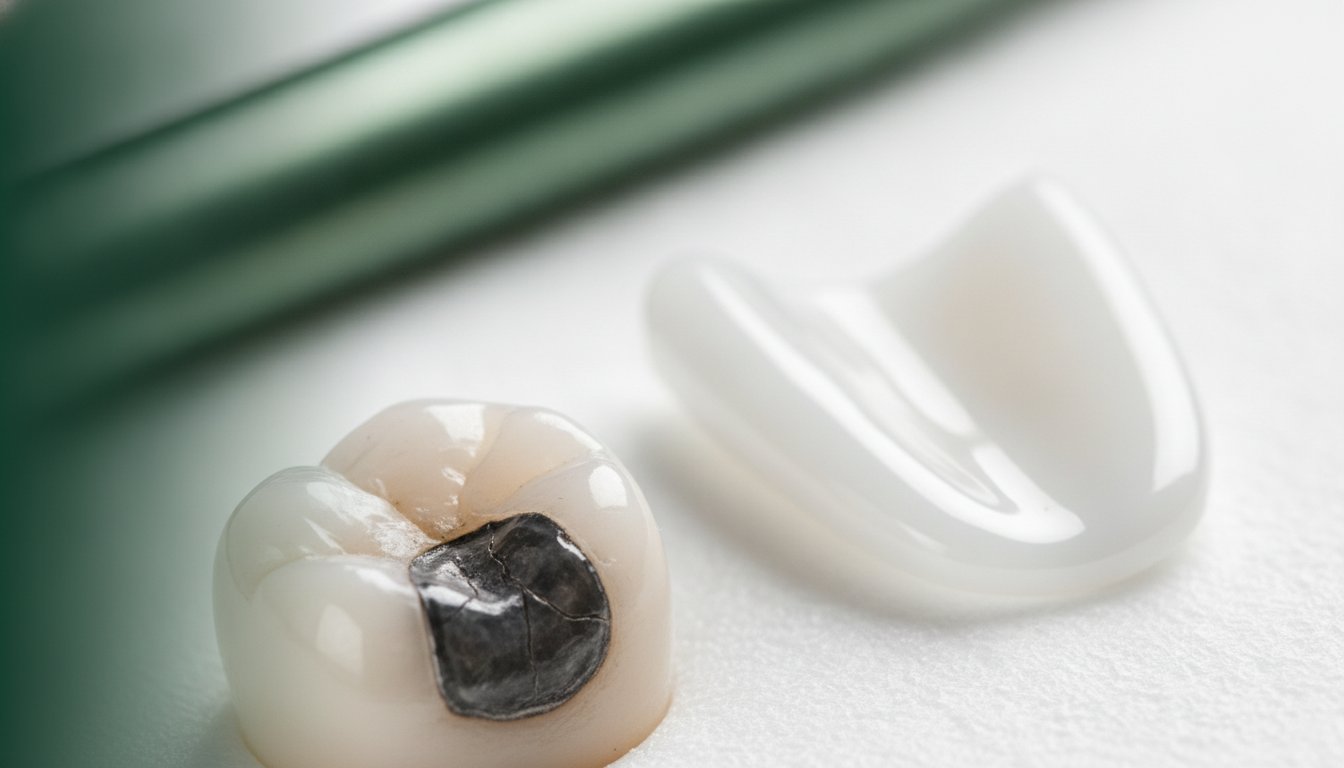

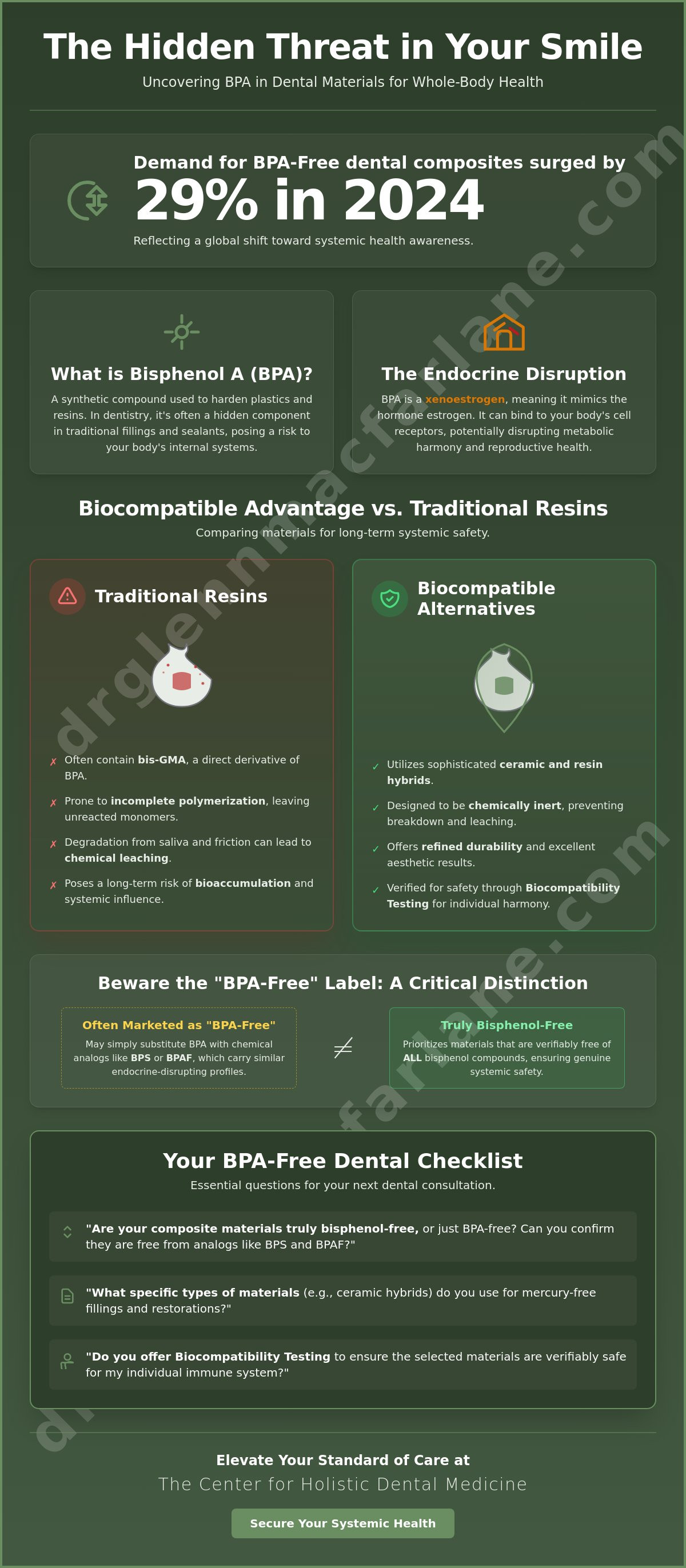
What if the very material designed to restore your dental health was quietly influencing your hormonal balance? While you likely prioritize organic nutrition and clean skincare, the invisible chemical exposure from traditional dental resins often remains a source of silent anxiety. The demand for bpa bisphenol a free resin composites expanded by 29% in 2024, reflecting a global shift toward systemic awareness. You deserve to feel certain about every material that enters your body.
We recognize that understanding the intersection of technical dentistry and holistic wellness requires a partner who values systemic harmony. This article clarifies the confusion between traditional and biocompatible materials, promising a path toward total health security. You will discover how to identify hidden BPA sources and gain a concrete checklist for your next appointment. From mercury-free composite fillings to the precision of biocompatibility testing, we preview the essential steps to securing a smile that supports your long-term vitality.
Key Takeaways
- Identify the specific role of synthetic compounds in traditional resins and understand why their impact as xenoestrogens is a vital consideration for your endocrine health.
- Compare the refined durability and aesthetic excellence of modern ceramic hybrids against the systemic limitations of conventional composite materials.
- Master the precise technical terminology required to ensure a truly bpa bisphenol a free clinical experience during your next consultation.
- Discover how integrated solutions, such as Biocompatibility Testing and mercury-free composite fillings, create a foundation for long-term systemic harmony and safety.
Understanding Bisphenol A (BPA): Why 'BPA-Free' Matters for Your Health
True systemic wellness begins with understanding the molecular building blocks of your dental restorations. Bisphenol A (BPA) is a synthetic organic compound used primarily as a hardening agent in the production of polycarbonate plastics and epoxy resins. In a traditional clinical setting, it's often a hidden component of sealants and composite fillings. While these materials provide structural integrity, their chemical footprint can extend far beyond the tooth. Choosing a bpa bisphenol a free approach isn't just about dental durability; it's about safeguarding your body’s delicate internal communication systems.
The "low-dose" controversy remains a central focus for health-conscious patients. Some industry standards suggest that the trace amounts of chemicals released during dental wear are negligible. However, biological dentistry views the oral environment as a dynamic gateway. Saliva, heat, and mechanical friction from chewing can lead to the slow release of these compounds directly into the bloodstream. Because the mouth is one of the most absorbent areas of the body, even minute exposures deserve professional scrutiny. This shift toward systemic awareness reflects a commitment to treating the individual as a whole rather than focusing solely on isolated symptoms.
The Endocrine Connection: How BPA Mimics Hormones
BPA functions as a xenoestrogen. This means it structurally mimics the hormone estrogen, allowing it to bind to cellular receptors and interfere with natural signaling. This mimicry can disrupt the endocrine system, with potential systemic links to metabolic harmony and reproductive health. Because dental materials are designed for longevity, they can contribute to bioaccumulation. Over years of daily use, these permanent fixtures may exert a persistent influence on your systemic balance. Protecting your hormonal health requires a proactive choice in the materials used for everyday care.
BPA-Free vs. BPA-Reduced: Clarifying the Terminology
Distinguishing between labels requires a discerning eye. Many products marketed as BPA-free simply substitute the original compound with analogs like Bisphenol S (BPS) or Bisphenol AF (BPAF). These alternatives often carry similar endocrine-disrupting profiles, making the distinction between "BPA-free" and "bisphenol-free" critical. A truly bpa bisphenol a free standard in biological dentistry goes further. It prioritizes materials that are chemically inert and verified through Biocompatibility Testing. We focus on sophisticated ceramic and resin hybrids that offer technical excellence without compromising your holistic health profile.
Hidden Sources of BPA in Modern Dentistry: Sealants and Fillings
While the dental industry’s move away from silver amalgam was a significant step toward systemic safety, it introduced a new layer of chemical complexity. Many patients choose white restorations for their aesthetic harmony, unaware that these composite resins are often a primary source of chemical exposure. The core issue lies in the resin matrix, which frequently relies on bisphenol A-glycidyl methacrylate (bis-GMA). This monomer provides the structural rigidity required for chewing, but it is also a direct derivative of BPA. Over time, the mechanical friction of daily life and the presence of salivary enzymes can cause these materials to degrade, releasing trace amounts of chemicals into your system.
The risk is particularly pronounced in preventative pediatric care. Research regarding BPA in dental sealants suggests that salivary enzymes can catalyze the breakdown of these materials, leading to measurable leaching shortly after application. This makes the selection of a truly bpa bisphenol a free material essential for long-term health. Choosing mercury-free composite fillings that meet these rigorous standards is a foundational step in biological care. By prioritizing materials that resist enzymatic breakdown, we ensure that your dental work supports your wellness journey rather than complicating it.
The Chemistry of Dental Resins: Understanding bis-GMA
In traditional dentistry, bis-GMA is the industry standard monomer. It's prized for its strength and ability to bond to tooth structure. However, the curing process in the mouth is rarely perfect. This phenomenon, known as incomplete polymerization, leaves unreacted monomers within the filling. These loose molecules are then free to migrate. Even materials labeled as "BPA-free" may contain bis-GMA or other derivatives that can eventually metabolize into BPA when exposed to the harsh environment of the mouth. A sophisticated approach requires looking beyond the marketing label to the actual molecular stability of the resin.
Orthodontic Retainers and Brackets: The Plastic Exposure
Modern orthodontics often relies on polycarbonates for clear aligners and retainers. While these offer a discreet way to align your smile, they are frequently made from plastics that can leach chemicals when exposed to heat or wear. Clear aligner systems like Invisalign are designed for efficiency, but their systemic impact depends heavily on the specific grade of material used. Wear and tear from grinding or cleaning with hot water can accelerate the release of synthetic compounds. Integrating Biocompatibility Testing into your orthodontic plan allows us to select materials that align with your unique biology, ensuring your smile remains bpa bisphenol a free and systemically sound.
The Biocompatible Advantage: Comparing BPA-Free vs. Traditional Resins
Systemic harmony begins with a conscious choice. Traditional composite resins, while functional, often impose a subtle, persistent chemical tax on the body. This cumulative stress is known as the body burden, a collection of environmental and chemical stressors that can eventually overwhelm the system's natural defenses. By prioritizing biocompatible alternatives, you choose a material that respects your unique physiology. Our approach emphasizes holistic warmth, treating you as a whole person rather than just a set of symptoms. Science meets safety. Precision meets peace of mind.
Scientific reviews of BPA in Dental Materials indicate that conventional resins can degrade under the daily pressures of the oral environment. Biocompatible materials utilize sophisticated ceramic and resin hybrids engineered for extreme stability. These inert options ensure they won't leach endocrine disruptors into your bloodstream or interfere with your hormonal communication. This proactive standard reduces systemic noise, allowing your body to maintain its natural equilibrium and focus on long-term vitality.
Material Integrity: Do BPA-Free Fillings Last?
There's a persistent myth that selecting a bpa bisphenol a free option means compromising on structural strength. Modern ceramic-based hybrids often surpass the technical durability of traditional resins. These materials provide exceptional bonding capabilities, creating a high-integrity seal with your natural tooth. This level of precision minimizes the risk of micro-leakage and long-term fracture, which are common issues with lower-grade materials. The advantages of these advanced materials include:
- Superior bonding to natural tooth structure
- High resistance to wear and mechanical fracture
- Natural light reflection and aesthetic translucency
- Total chemical stability in the oral environment
Aesthetic excellence is equally paramount. These restorations mirror the light-reflecting properties of natural enamel, ensuring your dental work is both functionally superior and visually harmonious with your natural smile. By using advanced materials, we achieve a result that is virtually indistinguishable from your original tooth structure.
Beyond BPA: The Importance of Biocompatibility Testing
A bpa bisphenol a free standard is an essential foundation, yet true wellness is deeply personal. Each individual possesses a unique immune profile and blood chemistry that dictates how they react to dental compounds. This is why biocompatibility testing is the gold standard for safety. By screening your systemic response to specific dental materials through a simple blood test, we can select the exact components that harmonize with your biology. This personalized framework ensures that every treatment, from a simple mercury-free composite filling to a full mouth reconstruction, supports your vitality without compromise.
Your BPA-Free Dental Checklist: Questions for Your Practitioner
Advocacy is the bridge between clinical care and personal vitality. You deserve transparency regarding the materials that reside in your mouth; it's a fundamental right of the health-conscious patient. A truly bpa bisphenol a free experience requires an open and sophisticated dialogue with your practitioner. This isn't about challenging authority. It's about honoring your body’s unique chemistry and ensuring your dental work aligns with your systemic wellness goals. By asking targeted questions, you move beyond being a passive patient and become a steward of your own long-term health.
The Clinical Audit: Questions to Ask Before Your Next Filling
Preparation is the key to safety. Use these specific terms during your next consultation to gauge the practice's commitment to biocompatibility:
- "Do your composite resins or sealants contain bis-GMA or bis-DMA?" These are common precursors to BPA leaching.
- "What is your protocol for minimizing monomer leaching during curing?" Effective curing techniques are essential for ensuring the material remains inert.
- "Do you offer Biocompatibility Testing for restorative materials?" This ensures the material choice is tailored to your blood chemistry.
- "Are your pediatric sealants specifically certified as BPA-free?" Protecting the endocrine health of children requires the highest standard of non-toxic care.
A practitioner who values systemic harmony will welcome these inquiries. They should be able to provide Material Safety Data Sheets (MSDS) or discuss their specific brand choices with clinical authority and holistic warmth.
Home Care and Maintenance: Reducing Oral BPA Exposure
Your commitment to wellness shouldn't end at the dental chair. Check your daily tools. Toothbrush handles and bristle bases often contain polycarbonates that can degrade over time. If you wear a night guard or retainer, review the material composition with a biological dentist to ensure it isn't a source of "invisible" chemical exposure. Heat and friction can accelerate the breakdown of these plastics, making the choice of material critical. You might also consider the systemic benefits of safe mercury filling removal as part of a comprehensive plan to upgrade your oral environment and reduce your overall body burden.
If you're ready to audit your current dental work and ensure your smile supports your total health, schedule a biocompatibility consultation to begin your journey toward a safer, more harmonious smile.
Elevating Your Standard of Care at The Center for Holistic Dental Medicine
Choosing a partner for your wellness journey is a decision of profound importance. At The Center for Holistic Dental Medicine, Dr. Glenn MacFarlane has established a reputation as a leader in mercury-safe and biological dentistry. We believe that clinical excellence and holistic warmth should never be mutually exclusive. Our practice is dedicated to a bpa bisphenol a free standard that eliminates the hidden anxieties of chemical exposure. By utilizing only the most sophisticated, non-toxic materials, we ensure that every restorative procedure supports your systemic harmony. Precision meets peace. Safety meets style.
We view the oral environment as a gateway to your total health. This perspective shifts the focus from simply "fixing a tooth" to treating the whole person. Our commitment to refinement means we never settle for industry-standard resins that might compromise your endocrine health. Instead, we curate a selection of biocompatible materials that offer both technical excellence and aesthetic harmony. You don't have to choose between a beautiful smile and a healthy body. We provide both.
The Biological Perspective: Treatment for the Whole Person
Our diagnostic process is rooted in advanced technology and established professional credibility. We utilize digital X-rays and 3D Cone Beam Imaging to plan every aspect of your care with absolute precision. This data-driven approach allows us to identify systemic connections that traditional providers might overlook. There's a powerful synergy between our material choices and advanced treatments like ozone therapy. This naturally advanced approach to infection control works in tandem with our bpa bisphenol a free restorations to create a clean, stable, and thriving oral environment.
Long-term trust is the foundation of our practice. We act as your expert guide, navigating the complexities of modern dental materials to find the solutions that best fit your unique biology. Whether we're performing a full mouth reconstruction or placing mercury-free composite fillings, our focus remains on your long-term vitality and safety. We treat you with the wisdom and care your health deserves.
Your Journey to Systemic Harmony Starts Here
Your experience begins with a comprehensive holistic evaluation. This isn't a typical exam; it's an in-depth exploration of how your dental health influences your overall wellness. We discuss your goals, review your material sensitivities, and create a roadmap for a biocompatible smile. We prioritize the removal of stressors, such as legacy amalgams or reactive resins, to lower your body burden and restore balance. The result is a smile that is as safe as it is stunning.
Refinement is our stylistic signature. We believe that dental care should be a premium, life-changing experience that leaves you feeling confident and secure. If you're ready to experience a higher standard of health-conscious dentistry, we invite you to join our practice. Schedule your biocompatible consultation with Dr. MacFarlane today and take the first step toward a truly harmonious smile.
Your Path to Systemic Harmony
Protecting your vitality requires a discerning eye for the materials that reside within your oral environment. You've learned that a truly bpa bisphenol a free standard involves more than just a simple label; it requires a deep understanding of resin chemistry and a commitment to inert, ceramic-based hybrids. By utilizing the provided clinical audit and prioritizing biocompatible alternatives, you can significantly reduce your body burden while achieving aesthetic excellence. Every choice you make at the dentist is an investment in your long-term endocrine health and hormonal balance.
Dr. Glenn MacFarlane has been a trusted guide in this field, practicing biological dentistry since 1985. Our practice integrates SMART certified mercury-safe protocols with advanced biocompatibility testing to ensure your dental work harmonizes perfectly with your unique biology. We invite you to experience a refined approach to care that values your whole-body wellness as much as your smile. Secure your systemic health with a BPA-free consultation at The Center for Holistic Dental Medicine and embrace the peace of mind that comes with sophisticated, non-toxic care.
Common Questions About Biocompatible Care
Is BPA actually used in dental fillings?
BPA is rarely a primary ingredient in most dental composites. Instead, it often appears as a trace contaminant or a byproduct released when bisphenol A-glycidyl methacrylate (bis-GMA) breaks down in the mouth. While manufacturers use these resins to harden the filling, the presence of salivary enzymes can trigger the release of minute amounts of the chemical over time. Choosing a bpa bisphenol a free standard ensures these hidden derivatives don't compromise your health.
Can I have my old BPA-containing fillings replaced?
You can absolutely choose to replace older restorations with bpa bisphenol a free alternatives as part of a wellness upgrade. This process involves carefully removing the existing resin and replacing it with sophisticated ceramic or resin hybrids that prioritize systemic safety. Many patients choose this path to reduce their overall body burden and ensure their dental work remains chemically inert and harmonious with their unique biology.
How do I know if my child's dental sealants have BPA?
The most reliable way to verify the safety of your child's sealants is to ask for the specific brand name and its Material Safety Data Sheet. Traditional sealants frequently utilize bis-GMA or bis-DMA, which can leach trace amounts of endocrine disruptors shortly after application. Biological practices prioritize certified non-toxic sealants that maintain a protective barrier without introducing synthetic hormonal mimics into a developing system.
Are BPA-free dental materials as strong as traditional ones?
Modern biocompatible materials often surpass the structural integrity of traditional resins. These advanced ceramic and resin hybrids are engineered for high-impact durability and exceptional bonding capabilities. They offer a stable, long-lasting solution that resists the mechanical wear of daily chewing while maintaining a seamless, aesthetic harmony with your natural tooth structure. You don't have to sacrifice strength for systemic safety.
What is the difference between BPA-free and biocompatible?
A material labeled as BPA-free simply lacks that specific compound, while biocompatible materials are verified to be harmonious with your unique immune system. While removing BPA is an essential first step, biocompatibility ensures that no part of the material triggers an adverse systemic response. We utilize Biocompatibility Testing to identify which materials are safest for your individual blood chemistry and long-term vitality.
Does insurance cover BPA-free dental restorations?
Insurance coverage for biocompatible restorations depends entirely on your specific policy and its definitions of standard care. Most providers cover the cost of a white composite filling, but they may not account for the premium nature of advanced non-toxic materials. We recommend contacting your insurance carrier to verify if they provide benefits for mercury-free composite fillings or specific biocompatibility screenings before beginning your treatment journey.
What happens if BPA leaches from a dental filling?
When BPA leaches into the mouth, it can be absorbed through the oral mucosa or swallowed, eventually entering the bloodstream. Once inside the body, it functions as a xenoestrogen, mimicking natural hormones and potentially disrupting the endocrine system. This chemical interference can influence metabolic health and hormonal communication, which is why biological dentistry focuses on preventing this exposure at the source through inert material selection.
Can BPA-free dentistry help with systemic health issues?
Transitioning to biocompatible dentistry supports systemic health by reducing your total body burden. By eliminating chronic exposure to endocrine disruptors and mercury, you allow your body's natural defenses to function more efficiently. This reduction in chemical noise creates a foundation for better hormonal balance and long-term vitality, ensuring your dental care works in synergy with your overall wellness goals rather than against them.