Nearly 50% of people stop using their CPAP machines within twelve months because the experience feels too clinical and intrusive. If you've chosen a more elegant path, you may still find that getting used to a mandibular advancement device presents its own set of subtle challenges. It's common to experience temporary jaw stiffness or a slight increase in salivation as your body adapts to this new alignment. These sensations aren't signs of failure. They're simply the first steps in a biological recalibration toward better health.
We understand that true wellness requires both technical excellence and physical comfort. You deserve to wake up feeling vibrant and clear, free from the heavy fog of interrupted sleep. This guide offers a sophisticated roadmap to help you navigate the adjustment period with confidence. We'll cover everything from managing initial discomfort to ensuring long term dental harmony, transforming your oral appliance from a foreign object into a vital partner for restorative rest. Discover how a refined, gradual approach can turn a nightly necessity into a seamless component of your wellness ritual.
Key Takeaways
- Understand the neurological recalibration process that allows your brain to accept the device and silence the "foreign object" reflex.
- Learn how mandibular stabilization creates essential retroglossal space, preventing soft tissue collapse for uninterrupted breathing.
- Follow our structured 7-day roadmap for getting used to a mandibular advancement device, focusing on incremental wear for seamless integration.
- Discover professional strategies to manage temporary salivation and dry mouth while preserving your oral microbiome balance.
- Explore the systemic benefits of choosing biocompatible materials that support long-term wellness and aesthetic harmony.
The Adaptation Period: What to Expect in the First 48 Hours
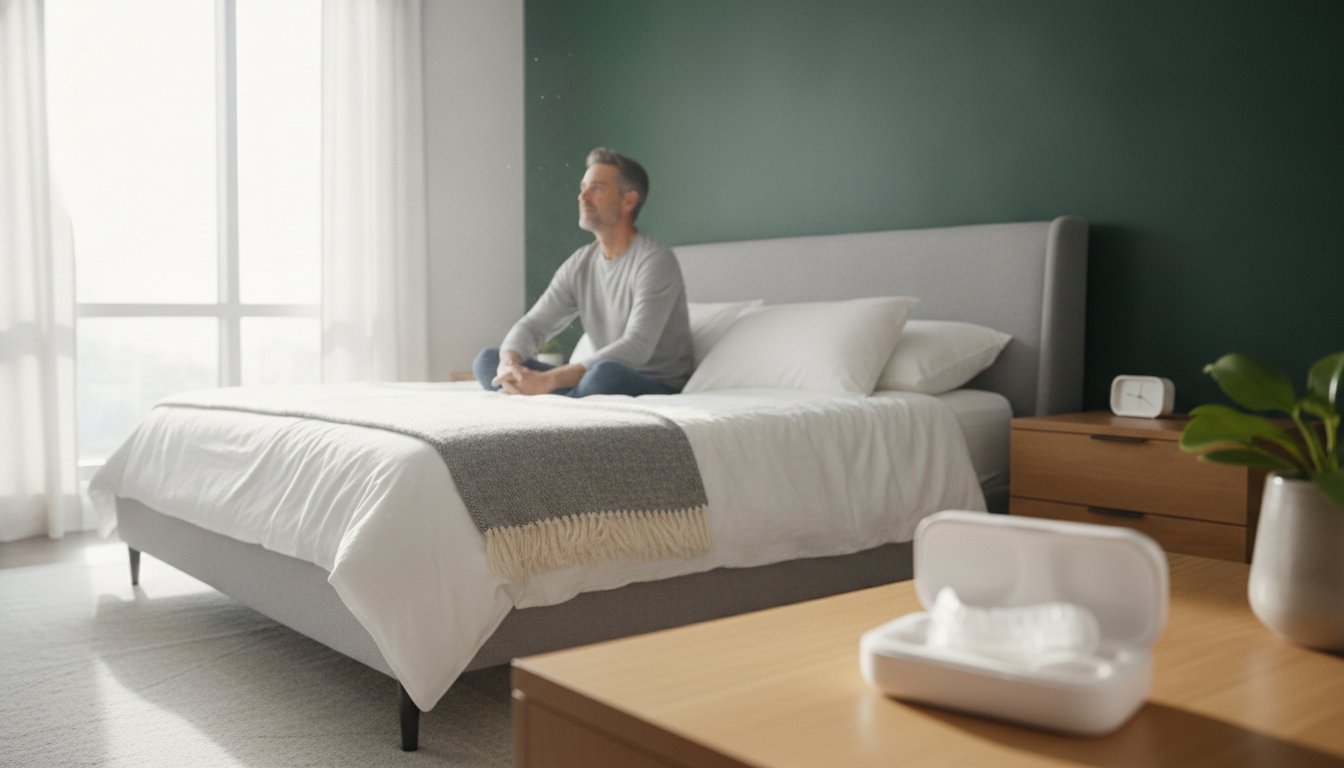
The journey to restorative sleep begins with a transition. Think of it as a natural neurological and muscular recalibration rather than a struggle. When you begin getting used to a mandibular advancement device, your brain initially identifies the appliance as a foreign object. This triggers a natural reflex, often resulting in increased saliva or a heightened awareness of the device's presence. However, the human body is remarkably adaptable. Within a few nights, your nervous system begins to accept the mandibular advancement splint as a passive part of your anatomy.
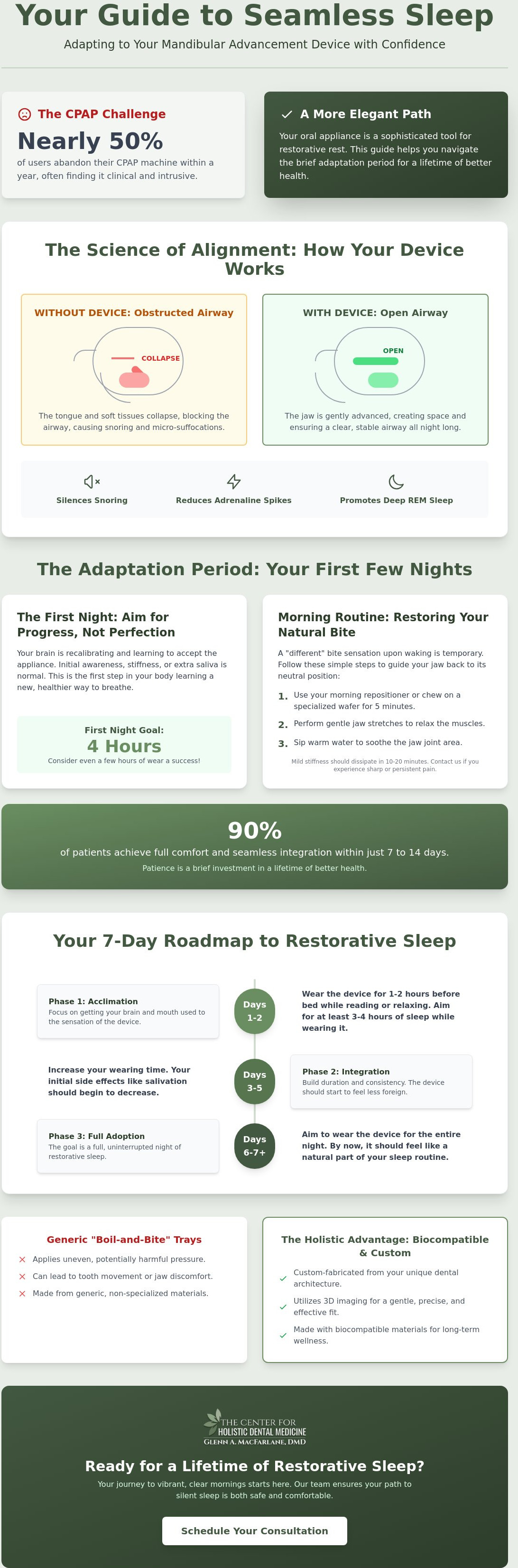
Despite these initial sensations, the physiological rewards are often immediate. Many patients report a significant reduction in snoring and improved oxygen saturation from the very first night. This systemic shift toward better breathing provides the foundation for deeper, more revitalizing rest. While the first 48 hours require patience, take comfort in knowing that approximately 90% of patients achieve full comfort within 7 to 14 days. This window is a brief investment in a lifetime of better health.
The First Night: Setting Realistic Expectations
Perfection isn't the goal for your first night. If you only manage to wear the device for four hours before removing it, consider it a success. We rely on "sleep pressure," the natural biological drive for rest that builds throughout the day, to help you drift off despite the new sensation in your mouth. The habituation phase is the specific window of time required for your periodontal ligaments to adjust to the gentle, therapeutic pressure of the appliance. Don't rush the process; your body is learning a new way to breathe.
Morning Sensations: The 'Different' Bite
Upon waking, you might notice that your teeth don't seem to fit together perfectly. This sensation is normal. It's the result of temporary fluid changes in the jaw joint and the relaxation of the surrounding musculature. To ease this transition, follow these simple steps:
- Use a morning repositioner or chew on a specialized wafer for five minutes to guide the jaw back.
- Perform gentle jaw stretches to encourage the muscles to return to their neutral position.
- Sip warm water to soothe the temporomandibular joint area and promote circulation.
Knowing the difference between a normal transition and a necessary adjustment is key to your peace of mind. A normal transition involves mild stiffness that dissipates within ten to twenty minutes. If you experience sharp pain, localized tooth soreness that persists throughout the day, or significant changes in your bite that don't resolve with exercises, it's a signal that your device may need a professional refinement. We view this as a partnership in your health, ensuring your path to silent sleep is both safe and comfortable.
The Science of Alignment: How Mandibular Advancement Works
Understanding the mechanics of your appliance transforms the process of getting used to a mandibular advancement device from a nightly chore into a conscious act of self-care. The primary function of this therapy is structural optimization. By gently guiding the lower jaw forward, the device increases the volume of the retroglossal space, which is the vital anatomical corridor located behind the tongue. This subtle shift prevents the tongue and soft palate from collapsing into the airway during deep sleep, effectively silencing the vibrations we recognize as snoring.
This structural stability does more than ensure a quiet room. It silences the sympathetic nervous system. When the airway remains open and stable, the brain no longer receives the "micro-suffocation" signals that trigger adrenaline spikes and fragmented sleep. Instead, your body remains in a parasympathetic state, allowing for the deep, restorative stages of REM sleep that are essential for cognitive clarity and systemic health. Achieving this level of harmony requires a device that respects your unique biology. While generic "boil-and-bite" trays are available, they often apply uneven pressure that can lead to tooth movement or jaw discomfort. Custom-fabricated appliances are designed from your specific dental architecture, ensuring a fit that is both gentle and technically excellent.
Precision Engineering for Your Airway
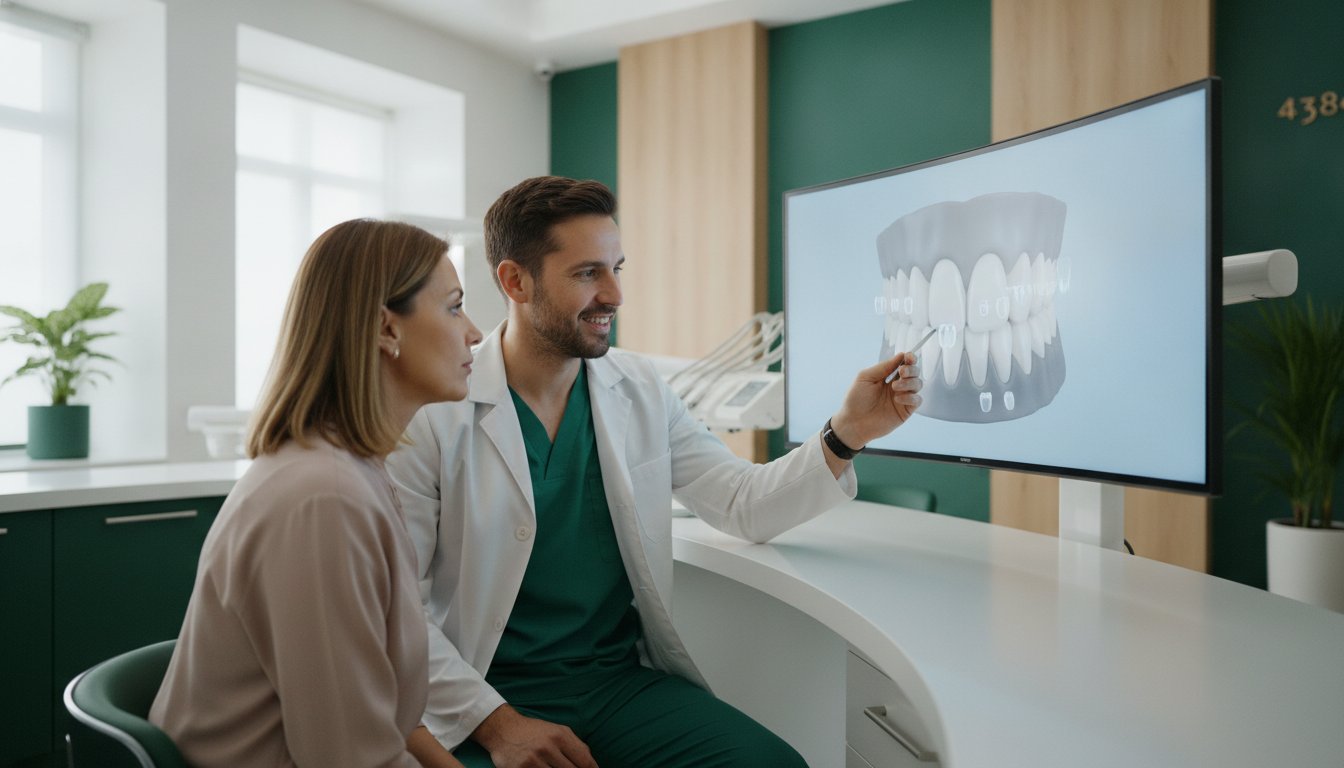
Precision is the cornerstone of comfortable sleep. In the world of airway management, the difference between one millimeter and five millimeters of advancement is profound. We utilize Digital X-rays and 3D Cone Beam Imaging to map your unique TMJ anatomy, ensuring the device aligns perfectly with your natural jaw path. This level of detail minimizes muscular strain while you are getting used to a mandibular advancement device, facilitating a faster and more comfortable adaptation period. If you are ready to refine your sleep, our personalized approach to airway health offers a sophisticated path forward.
Oral Appliance Therapy vs. CPAP
Many patients find that oral appliance therapy is far more conducive to long term health than traditional CPAP machines. There are no humming motors or restrictive masks to navigate. You maintain a refined sleep environment that feels like a sanctuary rather than a clinical setting. This lack of "clinical clutter" reduces bedtime anxiety and makes it much easier to maintain the consistency required for life-changing results. By choosing a discreet, portable solution, you prioritize both your health and your lifestyle aesthetic.
Managing Common Side Effects with Sophistication
The transition to a stabilized airway is a biological journey. Like any shift toward systemic health, it involves a period of physical dialogue between your body and your new appliance. While getting used to a mandibular advancement device, you may encounter minor physiological responses as your oral environment recalibrates. These are not obstacles, but rather signs that your body is responding to a positive structural change. Managing these sensations with a refined, proactive approach ensures that your path to restorative sleep remains steady and comfortable.
Muscle tenderness in the jaw is perhaps the most frequent point of adaptation. As your masseters and pterygoids adjust to a more forward position, they may feel slightly fatigued, similar to the sensation after a new gym workout. We recommend incorporating gentle heat therapy and magnesium supplementation into your evening routine. A warm compress applied to the jaw for five minutes before sleep can relax the fibers, while magnesium supports healthy muscle function and overall neurological calm. Additionally, if you notice tooth sensitivity, it's often a sign of uneven pressure. Modern, custom-fabricated devices allow for micro-adjustments to ensure the load is distributed evenly across your entire dental arch, protecting your long-term occlusal health.
The Saliva Response: A Temporary Reflex
During the first few nights, your parotid glands may become overly active. This happens because your brain initially perceives the device as a bolus of food, triggering a natural digestive reflex. You can facilitate habituation by wearing the device for short periods during the day while practicing a normal swallow reflex. This simple exercise teaches your nervous system to categorize the appliance as a passive structural support rather than something to be digested. For most patients, this excessive salivation vanishes completely by day four as the brain accepts the new oral presence.
Conversely, some individuals experience a temporary dry mouth. This is often a result of the lips not fully sealing over the device initially. Maintaining proper hydration and using a pH-balanced oral rinse can help preserve your oral microbiome during this phase. Protecting the delicate balance of bacteria in your mouth is essential for both your dental health and your systemic wellness.
Protecting the TMJ and Bite
Consistency is the hallmark of success when getting used to a mandibular advancement device. To maintain the harmony of your temporomandibular joint (TMJ), it's vital to reset your jaw's "home" position each morning. Simple stretching exercises, such as gently moving the jaw side-to-side or using a morning repositioning wafer, help the ligaments return to their neutral state. While mild muscular fatigue is a natural part of the adaptation, any sharp, stabbing, or persistent joint-based pain in the ear area is a signal to contact your provider for a professional adjustment. Regular clinical follow-ups allow us to monitor your bite with precision, ensuring that your journey toward silent sleep never compromises your aesthetic or functional alignment.
Your 7-Day Roadmap to Restorative Sleep Success
Success is a sequence. While the initial adaptation period involves neurological recalibration, achieving long term systemic harmony requires a deliberate, step by step integration into your nightly ritual. This roadmap simplifies getting used to a mandibular advancement device by breaking the process into manageable, physiological milestones. By following this structured path, you move beyond mere tolerance and into a state of effortless, revitalizing rest.
- Day 1-2: The Evening Introduction. Begin by wearing the device for 60 minutes while awake. Engage in a relaxing activity like reading or watching a film. This low pressure exposure helps your brain categorize the appliance as a non-threatening presence before you attempt to sleep.
- Day 3-4: The Half-Night Goal. Aim for four to five hours of consistent sleep use. If you wake up in the middle of the night and feel the urge to remove the appliance, do so without guilt. You've already achieved a significant victory for your airway health.
- Day 5-6: The Full-Night Integration. Commit to wearing the device until morning. By this stage, your jaw muscles and periodontal ligaments have begun to accept the new alignment. You'll likely notice the first signs of waking up without the heavy "brain fog" associated with sleep apnea.
- Day 7: The Morning Reset. Establish a permanent routine. This includes cleaning your device with professional grade solutions and performing your morning jaw stretches to maintain occlusal harmony.
Phase 1: Daytime Desensitization
The "gag reflex" is often just a sign of a hyper-vigilant nervous system. You can soothe this response by wearing your device for 30 minutes during the late afternoon or early evening. During this time, focus intentionally on nasal breathing. This practice trains your tongue to find its new, advanced resting position against the appliance, rather than retreating toward the throat. If you are ready to begin your journey toward quiet, healthy sleep, our team provides the expert oral appliance guidance you need to succeed.
Phase 2: Nighttime Consistency
Consistency is the bridge between a foreign object and a biological partner. If you have a restless night, don't judge the device based on that single experience. Your body is undergoing a profound shift in how it processes oxygen during sleep. Within two weeks of getting used to a mandibular advancement device, many patients report a psychological "reset" where they actually feel "naked" or unprotected without their appliance. This transition marks the moment your device has successfully integrated into your holistic wellness strategy, providing the silent, uninterrupted rest you deserve.
The Holistic Advantage: Why Biocompatible Materials Matter
When you are getting used to a mandibular advancement device, the focus is often on the physical fit. However, the chemical composition of your appliance is equally vital to your systemic harmony. Because this device resides in your oral environment for approximately eight hours every night, it must be crafted from materials that respect your body's natural chemistry. We prioritize BPA-free and monomer-free resins to ensure your journey toward better sleep doesn't introduce unwanted toxicity into your system.
This attention to detail is a cornerstone of biological dentistry. By considering the interconnectedness of oral health and whole-body wellness, we look beyond the mechanical opening of the airway. Dr. MacFarlane utilizes precision-fit appliances that balance technical excellence with biological safety. This synergy reduces systemic inflammation and supports a calm, healing state during rest. When your body isn't fighting off foreign chemical irritants, it can focus entirely on the restorative processes of deep sleep.
Beyond Mechanical Fixes: A Wellness Partnership
We treat the individual, not just the symptom of a snore. High-quality, uninterrupted sleep is a primary pillar of detoxification. When you achieve consistent, silent rest, your body's glymphatic system can effectively clear metabolic waste from the brain. This natural "rinse" is especially critical for patients who have undergone the SMART protocol for mercury removal. A non-toxic, well-rested life creates a foundation for longevity and vibrant health. Your appliance isn't just a tool; it's a partner in your long-term wellness strategy.
Final Steps: Caring for Your Investment
Maintaining the integrity of your device is essential for both hygiene and longevity. While getting used to a mandibular advancement device, establishing a sophisticated cleaning protocol prevents the buildup of biofilm and harmful bacteria. We recommend using ozone therapy or specialized, non-abrasive cleansers to keep the material pristine. Ozone is a powerful, natural antimicrobial that ensures your appliance remains a healthy addition to your nightly routine. Annual clinical checks are necessary to monitor the material's fit and structural integrity. These visits ensure your device continues to provide the aesthetic and functional excellence you expect from a premium health solution.
Embrace the Path to Revitalized Sleep
Achieving silent, restorative rest is a journey of refinement rather than a test of endurance. By following a structured 7-day roadmap and understanding the biological alignment at work, getting used to a mandibular advancement device becomes a seamless transition toward better health. This process isn't just about silencing a snore; it's about protecting your systemic harmony through the use of non-toxic, biocompatible materials that respect your body’s unique chemistry.
True wellness requires a guide who balances modern innovation with a deep commitment to safety. Dr. MacFarlane brings over 35 years of clinical excellence and a dedicated membership in the International Academy of Oral Medicine and Toxicology (IAOMT) to every patient interaction. His expertise in biocompatible oral appliance therapy ensures that your solution is as gentle as it is effective. If you're ready to move beyond the clinical clutter of traditional sleep aids, schedule your sleep consultation with Dr. MacFarlane today. You deserve a future defined by quiet nights and vibrant, clear mornings.
Frequently Asked Questions
How long does it take to get used to a mandibular advancement device?
Most patients achieve full comfort and seamless integration within seven to fourteen days of consistent use. This window allows your periodontal ligaments and jaw muscles to adapt to the gentle therapeutic position. While the first few nights require patience, your nervous system will naturally habituate to the appliance as it becomes a familiar part of your nightly wellness ritual.
Is it normal for my teeth to feel sore in the morning after wearing a MAD?
Mild tooth sensitivity upon waking is a common experience during the initial phase of getting used to a mandibular advancement device. This sensation typically dissipates within fifteen to twenty minutes as your bite resets to its neutral position. If the soreness persists throughout the day or feels sharp, it may indicate that a professional micro-adjustment is needed to ensure even pressure distribution.
Can I wear a mandibular advancement device if I have dental implants or crowns?
You can typically utilize an oral appliance with crowns or dental implants, provided your restorations are stable and healthy. Custom-fabricated devices are designed to respect your unique dental architecture, ensuring that forces are distributed safely across the entire arch. We use precision 3D imaging to ensure the device fits securely without compromising the integrity of your Zirconia Dental Implants or porcelain work.
Will an oral appliance permanently change my bite or jaw position?
Permanent bite changes are rare when the therapy is professionally monitored and paired with daily morning repositioning exercises. These simple stretches guide the jaw back to its natural "home" position and maintain joint harmony. While minor tooth shifts can occur over several years of use, regular clinical follow-ups allow us to detect and manage these changes long before they impact your functional alignment.
What should I do if I find the device on my pillow in the morning?
Finding the device on your pillow is a frequent occurrence during the first week as your brain navigates the "foreign object" reflex. This is often an unconscious physical response during deep sleep and is not a sign of failure. Continue following your 7-day roadmap; as your body accepts the getting used to a mandibular advancement device process, the reflex will diminish and the appliance will remain in place.
How do I know if my mandibular advancement device is working?
The most immediate signs of success are a significant reduction in snoring and waking up feeling revitalized without the heavy "brain fog" of sleep apnea. You may also notice improved mood and sustained energy levels throughout the afternoon. For objective confirmation, we can utilize home sleep testing to measure the precise improvements in your oxygen saturation and heart rate during rest.
Is a custom-made MAD better than a cheaper over-the-counter version?
Custom-made appliances are significantly superior because they offer a precision fit that over-the-counter trays cannot replicate. Generic "boil-and-bite" devices often apply uneven pressure, which can lead to unwanted tooth movement or temporomandibular joint strain. A professionally crafted device utilizes biocompatible materials and exact 3D mapping to ensure your treatment is both safe for your systemic health and technically excellent.
Can I use an oral appliance if I grind my teeth at night?
An oral appliance is an effective solution for bruxism because the durable material acts as a protective barrier between your upper and lower teeth. The device simultaneously stabilizes your airway and prevents the enamel wear and muscular fatigue caused by nighttime clenching. This dual-layered approach protects your dental work while ensuring you receive the deep, restorative sleep necessary for total body wellness.