Could the most expensive sleep apnea solution actually be the one that costs the least upfront? Many people struggle with the nightly burden of a heavy CPAP machine or the nagging doubt that a generic, over-the-counter guard is failing their health. If you are asking how much do dental sleep apnea devices cost 2026, you are likely looking for a balance of clinical efficacy and nightly comfort. A custom-fitted device is an investment in systemic harmony. It's a refined, sophisticated alternative to invasive hardware.
We agree that the maze of medical versus dental insurance can be overwhelming. It's frustrating to feel like your health is caught in a bureaucratic loop. This guide provides a clear roadmap for your investment, detailing the insurance nuances and technical factors that define the value of oral appliance therapy. You'll learn exactly what influences the final cost, from diagnostic requirements to the long-term durability of biocompatible materials. We'll examine the specific elements of your treatment journey, ensuring you have the clarity needed to choose a solution that offers silent, restorative rest with total confidence.
Key Takeaways
- Learn how modern 3D imaging and biocompatible science have transformed oral appliance therapy into a precise, medical-grade alternative to CPAP.
- Understand why professional customization prevents the hidden health risks, such as jaw pain and tooth movement, often caused by generic over-the-counter guards.
- Gain clarity on how much do dental sleep apnea devices cost 2026 by breaking down the investment in diagnostic precision and non-toxic materials.
- Discover how to navigate medical insurance and Medicare coverage by treating these devices as essential Durable Medical Equipment (DME).
- Recognize the profound systemic value of restorative sleep, protecting your cardiovascular and cognitive health through proactive airway management.
2026 Dental Sleep Apnea Device Costs: An Overview
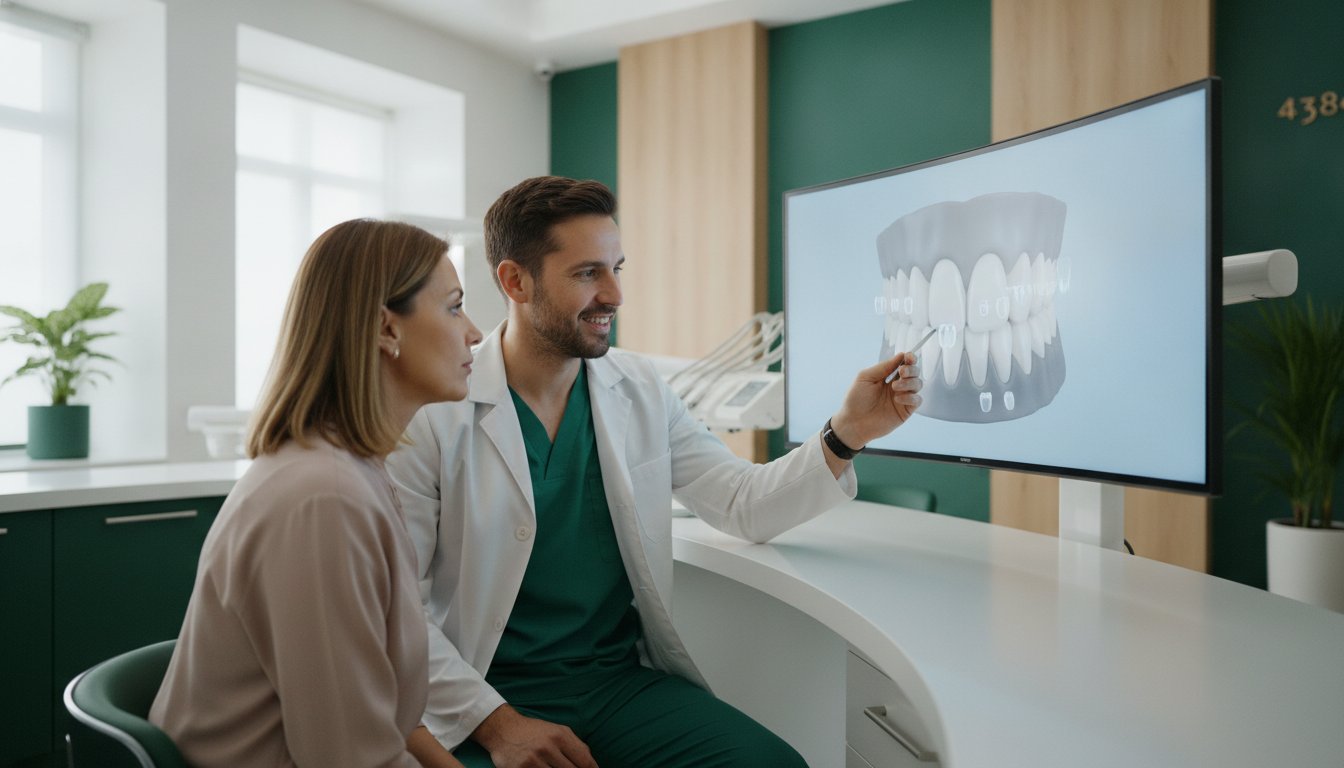
Oral Appliance Therapy (OAT) represents a significant shift in how we approach obstructive sleep apnea. It is a sophisticated, medical-grade solution. It moves away from the sterile, mechanical nature of traditional treatments. When considering how much do dental sleep apnea devices cost 2026, it's vital to view the expense as a comprehensive investment in your systemic health. The modern approach isn't about buying a piece of plastic. It's about a curated treatment plan that utilizes advanced 3D imaging and biocompatible material science to ensure your airway remains unobstructed throughout the night. Silent nights. Vital days.
There is a distinct difference between a simple "device price" and a "comprehensive treatment fee." In 2026, leading practices provide a package that covers initial diagnostic scans, precise fitting, and ongoing adjustments. This ensures the device performs as intended without causing secondary issues. We've seen a clear move toward non-invasive, metal-free sleep solutions. This reflects a broader commitment to holistic wellness and aesthetic harmony. We act as your wellness partner, guiding you through a process that prioritizes your safety and long-term vitality.
What is a Mandibular Advancement Device (MAD)?
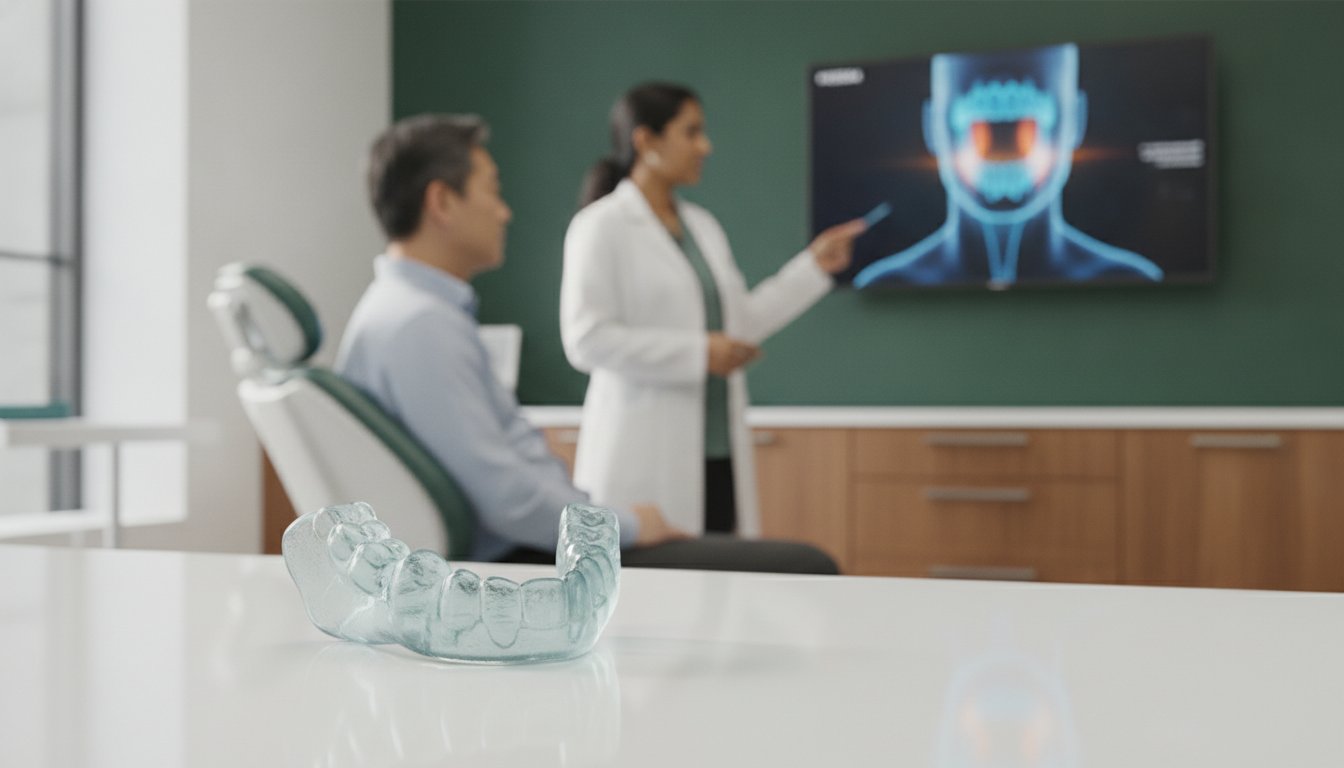
The most common tool in this category is the Mandibular advancement splint. This device works by gently repositioning the lower jaw. It keeps the soft tissues at the back of the throat from collapsing during sleep. Professional MADs are lightyears ahead of generic "boil and bite" guards found in pharmacies. Generic options often lack the precision needed to protect the jaw joint. They can actually lead to tooth movement or chronic pain. Integrating oral appliance therapy into your life supports heart health and cognitive function by ensuring consistent oxygen flow. It's a choice for refined, functional excellence.
The Evolution of Sleep Technology in 2026
Innovation has redefined the patient experience. Digital impressions have replaced uncomfortable, messy molds. 3D printing now allows for a level of customization that was previously impossible. This creates a "second skin" fit that enhances nightly compliance. Patients in 2026 prioritize systemic harmony. They look for biocompatible, BPA-free resins that won't disrupt the body's natural chemistry. It's about technical excellence. It's about safety. Modern appliances are designed to be as gentle on the body as they are effective at restoring deep, restorative sleep. We focus on the interconnectedness of your health, ensuring every material used meets the highest standards of refinement.
Custom vs. Over-the-Counter: Why Professional Precision Costs More
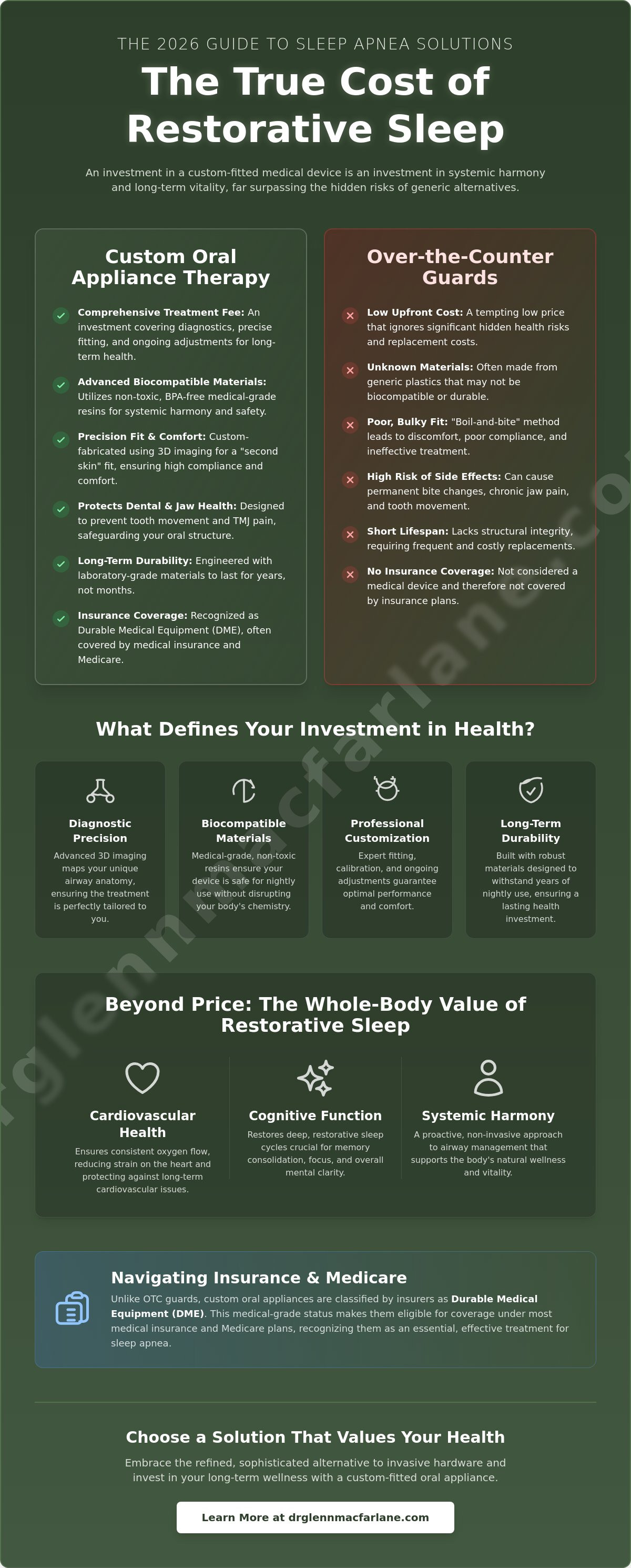
The temptation to choose a low-cost, over-the-counter (OTC) mouthguard is understandable when first exploring sleep solutions. However, understanding how much do dental sleep apnea devices cost 2026 requires looking past the initial sticker price to the long-term value of professional oversight. A generic $100 guard and a custom-fabricated medical device are entirely different instruments. One is a temporary fix; the other is a life-changing health investment. Precision matters. Health follows. While OTC options are marketed as a shortcut, they often lack the structural integrity and biocompatibility required for actual therapeutic success.
In 2026, durability standards for laboratory-grade medical resins have reached new heights. These materials are engineered to withstand the rigors of nightly use for years, not months. Beyond material strength, a custom fit is a non-negotiable prerequisite for medical insurance reimbursement. Most providers won't cover an unproven, generic guard because it lacks the clinical evidence of efficacy. Investing in professional care ensures that your resources are used wisely, securing a device that is built to last and recognized by major health plans as a legitimate medical expense.
The Risks of Generic "Boil-and-Bite" Solutions
Generic "boil-and-bite" guards are often bulky and uncomfortable. This leads to poor compliance and, eventually, a return to fragmented sleep. Without professional fitting, these devices can exert uneven pressure on the teeth and jaw. This often results in permanent bite changes or chronic TMJ issues. Perhaps most concerning is their lack of titration. Most low-cost alternatives are static; they cannot be adjusted to find the specific jaw position that keeps your airway open. According to the Oral appliance therapy guidelines, a device must be custom-fitted and adjustable to be considered an effective treatment for obstructive sleep apnea. Without this adjustability, you risk wasting money on a device that fails to resolve your underlying oxygen deprivation.
The Value of Clinical Calibration
Clinical calibration is the professional adjustment of a device to maximize oxygen intake while protecting the integrity of the jaw joint. This process is what distinguishes a wellness-focused practice from a retail store. A qualified dentist monitors your jaw position over several weeks, making micro-adjustments as your body adapts to the therapy. This ensures that the device remains comfortable and effective as your needs evolve. Choosing a path toward better sleep begins with consulting a wellness partner who understands the intricate relationship between your oral anatomy and your systemic health. This clinical oversight is the safeguard that prevents the "hidden costs" of untreated apnea, such as the thousands of dollars spent annually on medical complications arising from poor sleep quality.
Key Factors Influencing Your Total Investment
Investing in your health requires a transparent understanding of where your resources go. The total investment for oral appliance therapy in 2026 is influenced by four primary pillars: diagnostic precision, material integrity, clinical wisdom, and ongoing titration. Each element ensures the device is not just a mouthpiece, but a medical intervention designed for your specific physiology. When considering how much do dental sleep apnea devices cost 2026, remember that you're paying for a successful outcome, not just a physical object. A curated treatment plan is the bridge between fragmented rest and vibrant health.
Clinical expertise is perhaps the most vital component of your investment. A practitioner with decades of experience understands the subtle nuances of airway management. They don't just fit a device; they manage a medical condition. This wisdom ensures that your treatment is safe, effective, and tailored to your unique anatomical needs. Choosing a wellness partner with a proven track record provides a sense of calm confidence and long-term trust.
Biocompatibility and Material Selection
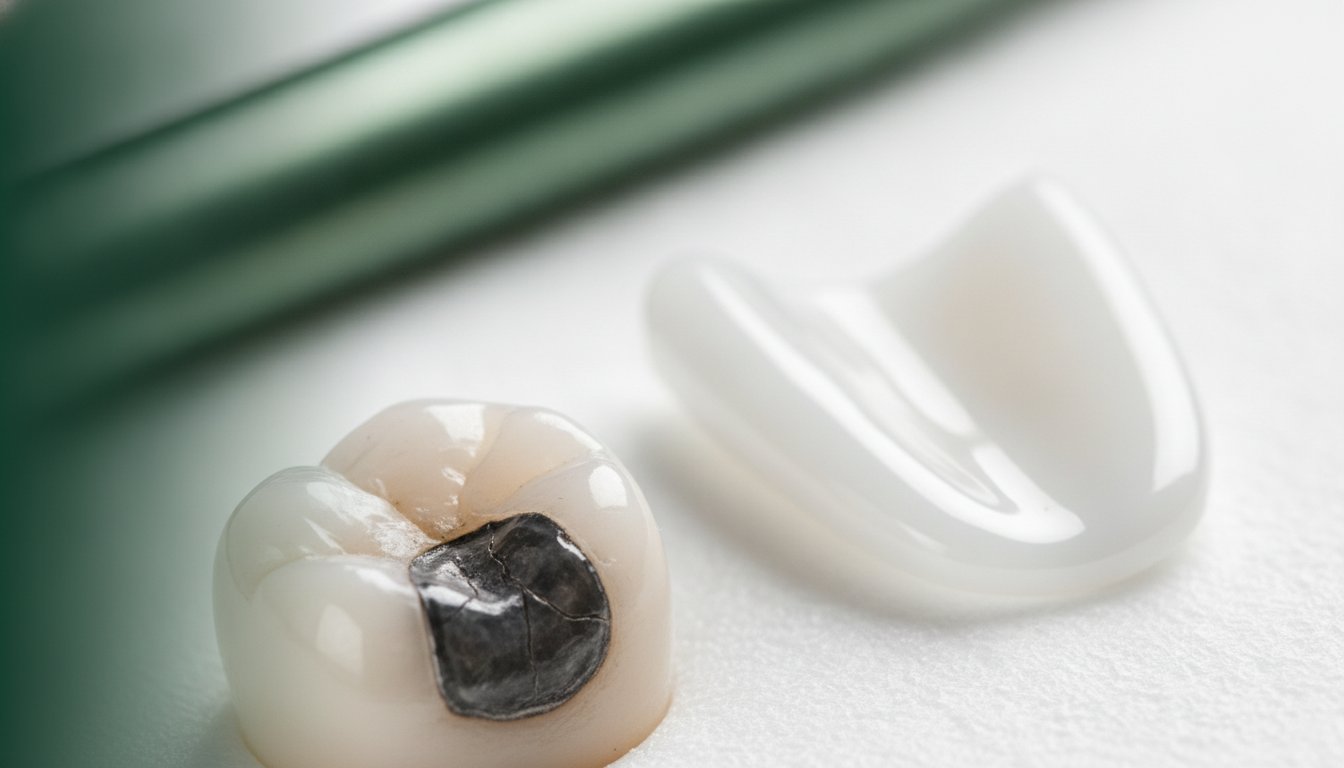
Modern patients are increasingly health-conscious. They demand materials that respect the body's natural chemistry. In 2026, the industry has moved beyond standard laboratory acrylics. These can sometimes harbor bacteria or contain hidden toxins. We prioritize biocompatible, metal-free, and BPA-free resins. While these premium materials carry a higher initial cost than basic resins, they offer superior longevity and comfort. They are hypoallergenic. They feel natural in the mouth. This choice supports systemic harmony and reduces the risk of oral irritation. It's an investment in both aesthetic harmony and technical excellence.
Advanced Diagnostics and Airway Mapping
Safety begins with visibility. We utilize CBCT dental scans to create a high-definition, 3D map of your airway and jaw structure. This advanced imaging allows us to see exactly how your jaw moves. We can identify potential obstacles that a standard 2D X-ray would miss. By integrating your sleep study data directly into the fabrication process, we ensure the device is calibrated to your exact needs. This diagnostic rigor prevents expensive complications like jaw misalignment or tooth shifting. It's a proactive step that protects your health and the durability of your device.
The journey doesn't end when you receive your device. Titration appointments are essential for success. These visits allow us to fine-tune the jaw position, ensuring maximum oxygen intake without straining the temporomandibular joint. Efficacy testing confirms that the device is actually resolving your apnea. This clinical oversight is a hallmark of superior standards, providing peace of mind and measurable results.
Navigating Insurance, Medicare, and Financing in 2026
Understanding the financial landscape is as vital as selecting the right clinical treatment. In 2026, the question of how much do dental sleep apnea devices cost 2026 is deeply tethered to how your insurance carrier classifies the intervention. These devices are not billed as dental procedures. They are categorized as Durable Medical Equipment (DME). This distinction is a significant advantage for the patient. It shifts the primary financial responsibility from your dental plan to your medical insurance, recognizing that sleep apnea is a systemic health condition rather than a localized dental issue. Expert guidance. Financial clarity.
Prior authorization has become a cornerstone of the 2026 insurance landscape. It's a verification process that confirms your clinical need before treatment begins. Your wellness partner works closely with your physician to document the severity of your apnea through sleep study results. This collaboration ensures that the path to restorative sleep is paved with the necessary medical evidence, making the reimbursement process smoother and more predictable. It's about safety and professional gravitas.
Understanding DME Coverage
Medical insurance acts as the primary payer because obstructive sleep apnea impacts your entire biological system. Most 2026 policies include specific deductible and coinsurance structures for DME. You'll often find that once your medical deductible is met, insurance covers a significant portion of the treatment cost. A formal physician's prescription is the essential key that unlocks these benefits. Without this medical documentation, a custom device may be viewed as an elective expense rather than a life-changing necessity. We help you navigate these nuances with calm confidence.
Maximizing Your 2026 Benefits
Medicare Part B continues to provide coverage for oral appliances under its DME benefit in 2026. To qualify, you must have a physician's prescription and a documented sleep study that meets specific medical necessity criteria. You also need to ensure your provider is a Medicare-enrolled supplier. For those with private insurance, utilizing HSA and FSA funds is a sophisticated way to bridge any out-of-pocket gaps. These tax-advantaged accounts are fully eligible for custom-fitted oral appliance therapy, allowing you to invest in your health using pre-tax dollars. If you're ready to move toward a more vibrant life, contact us to review your specific benefits and find a financing path that aligns with your wellness goals. Clear paths. Sound sleep.
Beyond the Price Tag: The Holistic Value of Oral Appliance Therapy
The true measure of a medical intervention isn't found on an invoice. It's found in the vitality of your waking hours. While we've explored how much do dental sleep apnea devices cost 2026 through the lens of insurance and technical materials, the holistic value transcends these metrics. Untreated obstructive sleep apnea (OSA) isn't a silent condition. It's a progressive systemic stressor. The "cost of inaction" often manifests as secondary medical bills for hypertension, cognitive decline, or cardiovascular events. Research by the American Academy of Sleep Medicine suggests that individuals with untreated apnea pay an average of $2,105 annually in related healthcare costs. Choosing a custom-fitted device is a proactive strategy to mitigate these long-term risks. Sound sleep. Sound health.
A biological dentist views sleep as a non-negotiable pillar of whole-body wellness. We don't just see a jaw; we see an airway that fuels every cell in your body. The intangible benefits are immediate. You'll notice increased daytime energy and a more stable mood. Your partner will enjoy the quiet of a room free from snoring. This is about aesthetic and functional harmony working in tandem. It's about reclaiming your night so you can master your day.
Sleep as Systemic Medicine
Restorative sleep is the body's primary repair mechanism. When oxygen saturation remains consistent, your brain and heart are protected from the inflammatory spikes caused by nightly gasping. Oral appliance therapy is a life-changing investment in systemic longevity. By utilizing biocompatible resins, we ensure that your treatment doesn't introduce new stressors to your system. It's a refined approach to health-conscious living. Technical excellence meets organic values to create a treatment path that feels as natural as it is effective. We prioritize your long-term safety above all else.
The Dr. MacFarlane Standard of Care
Our practice is committed to a standard of excellence that looks beyond immediate symptoms. We utilize the latest innovations in 3D imaging and material science to provide a premium, life-changing experience. This isn't just about hardware; it's about a methodology built on reliability and wisdom. We treat the individual as a whole, maintaining a patient-centric outlook that values long-term trust. The personality of our care is that of a wellness partner. We guide you from understanding a philosophy to trusting a specific, high-performance methodology. If you're ready to experience the interconnectedness of health and restorative sleep, schedule a consultation to explore your custom sleep solution. Better sleep is the foundation of a life well-lived.
Reclaiming Your Vitality Through Restorative Sleep
The journey to better sleep is a journey toward whole-body harmony. We've explored how custom precision outshines generic alternatives and why medical insurance is your primary ally in funding this essential care. When you evaluate how much do dental sleep apnea devices cost 2026, the real answer lies in the longevity and safety of a professionally calibrated solution. This isn't just about a device; it's about protecting your heart and brain from the silent strain of oxygen deprivation. Precision fit. Silent nights. Total health.
Dr. MacFarlane brings over 35 years of clinical excellence to every curated treatment plan. Our specialized focus on biocompatible and health-conscious materials ensures your appliance works in harmony with your body. By utilizing advanced 3D imaging, we achieve a level of technical excellence that generic guards simply can't match. You deserve a life defined by energy and clarity. Breathe easier and protect your health with a custom sleep solution from Dr. MacFarlane. Let's build a foundation for your long-term wellness together.
Common Questions Regarding Sleep Apnea Therapy
Is a sleep apnea oral appliance covered by dental or medical insurance?
Medical insurance is the primary payer for these devices. They are billed as Durable Medical Equipment (DME) because sleep apnea is a systemic medical condition. While dental plans rarely cover the device, medical policies often provide significant reimbursement once your deductible is met. It's essential to have a physician's prescription to secure these benefits.
How much does a custom sleep apnea device cost out-of-pocket in 2026?
The investment for a custom-fabricated device typically ranges from $1,800 to $3,500 across the industry. When asking how much do dental sleep apnea devices cost 2026, it's important to include the diagnostic imaging and follow-up titration in your total value assessment. These professional fees ensure the device is both safe and effective for your specific anatomy. Professional oversight is the safeguard of your investment.
How long do professional dental sleep apnea devices usually last?
High-quality devices generally last between three and five years with proper maintenance. Laboratory-grade medical resins used in 2026 are designed for exceptional durability and biocompatibility. Regular check-ups with your wellness partner help extend the life of the appliance. These visits ensure it continues to support your airway health without causing tooth movement.
Can I use an HSA or FSA to pay for my sleep apnea device?
Yes, custom oral appliances for sleep apnea are fully eligible expenses for Health Savings Accounts (HSAs) and Flexible Spending Accounts (FSAs). This allows you to utilize pre-tax dollars for your treatment. It's a sophisticated way to manage your healthcare investment while prioritizing systemic wellness and restorative sleep.
Does Medicare cover oral appliance therapy for sleep apnea in 2026?
Medicare Part B covers oral appliances when they are deemed medically necessary. You'll need a formal diagnosis from a qualifying sleep study and a prescription from a physician. The device must be provided by a Medicare-enrolled supplier to qualify for reimbursement under the DME benefit. This ensures that the treatment meets rigorous federal standards for safety.
What happens if my sleep apnea device needs an adjustment?
Adjustments, known as titration, are a standard part of the professional clinical process. Your dentist will fine-tune the jaw position to maximize oxygen intake and ensure nightly comfort. These appointments are vital for maintaining the delicate balance between airway opening and jaw joint health. Clinical calibration is what distinguishes a medical device from a retail product.
Why is a custom device more expensive than a mouthguard from a drug store?
Custom devices offer clinical calibration and laboratory-grade materials that drug store guards lack. Generic "boil and bite" options often cause jaw pain because they aren't fitted to your unique physiology. A professional appliance ensures safety and efficacy. It also boasts a 90% compliance rate compared to the much lower rates seen with generic or CPAP alternatives.
Will I need a new sleep study to get a dental device?
A current sleep study is required for a formal diagnosis and insurance verification. If you haven't had a study recently, at-home sleep tests are a convenient and affordable option in 2026. This data allows your practitioner to map your airway with precision. It confirms that oral appliance therapy is the correct biological path for your specific needs.