What if your body's immune system is speaking a language your dentist hasn't learned to translate yet? For many people, the dream of a restored smile is shadowed by the quiet reality of metal sensitivities. While titanium has been a traditional choice for decades, an estimated 10 to 20 percent of the population lives with a nickel allergy. Others experience rare but impactful reactions to various dental alloys. If you have ever felt anxious about how a metal allergy and dental implants might trigger systemic inflammation or lead to implant rejection, your concerns are valid. Your health is a delicate balance; your dental restorations should support that equilibrium rather than disrupt it.
We believe that systemic harmony is the foundation of every successful clinical outcome. This guide will help you navigate the complexities of metal sensitivities through advanced biocompatibility testing and the refined technical excellence of metal-free zirconia implants. You will discover a clear, science-backed path toward a permanent tooth replacement that respects your unique biology. We will explore how modern diagnostics like the MELISA test provide the clarity you need to move forward with confidence. By bridging the gap between organic health and surgical precision, we ensure your journey to a healthier smile is defined by safety, aesthetic beauty, and lasting peace of mind.
Key Takeaways
- Recognize that metal sensitivity is a systemic reality, shifting the focus from traditional alloys to your unique biological needs.
- Understand the clinical nuances of titanium hypersensitivity and how precision diagnostics resolve concerns regarding metal allergy and dental implants.
- Learn how blood-based biocompatibility testing identifies your specific immune triggers to ensure a safe, personalized material selection.
- Discover the benefits of zirconia dental implants, a high-performance ceramic alternative that provides aesthetic excellence without the risk of metal corrosion.
- Explore the holistic preparation steps, such as optimizing pH balance and nutrition, that support your body's natural ability to heal and integrate new restorations.
Understanding Metal Sensitivities in Modern Dentistry
Traditional dentistry has long relied on metal alloys for their structural integrity and durability. From crowns to bridges, these materials were chosen for their ability to withstand the immense pressures of chewing. However, the mouth is a dynamic, high-energy environment. Constant moisture, fluctuating pH levels, and bacterial activity transform the oral cavity into a biological catalyst. These factors accelerate the release of metal ions, which can then interact with the body's immune system. This interaction is where the conversation regarding metal allergy and dental implants begins for many patients.
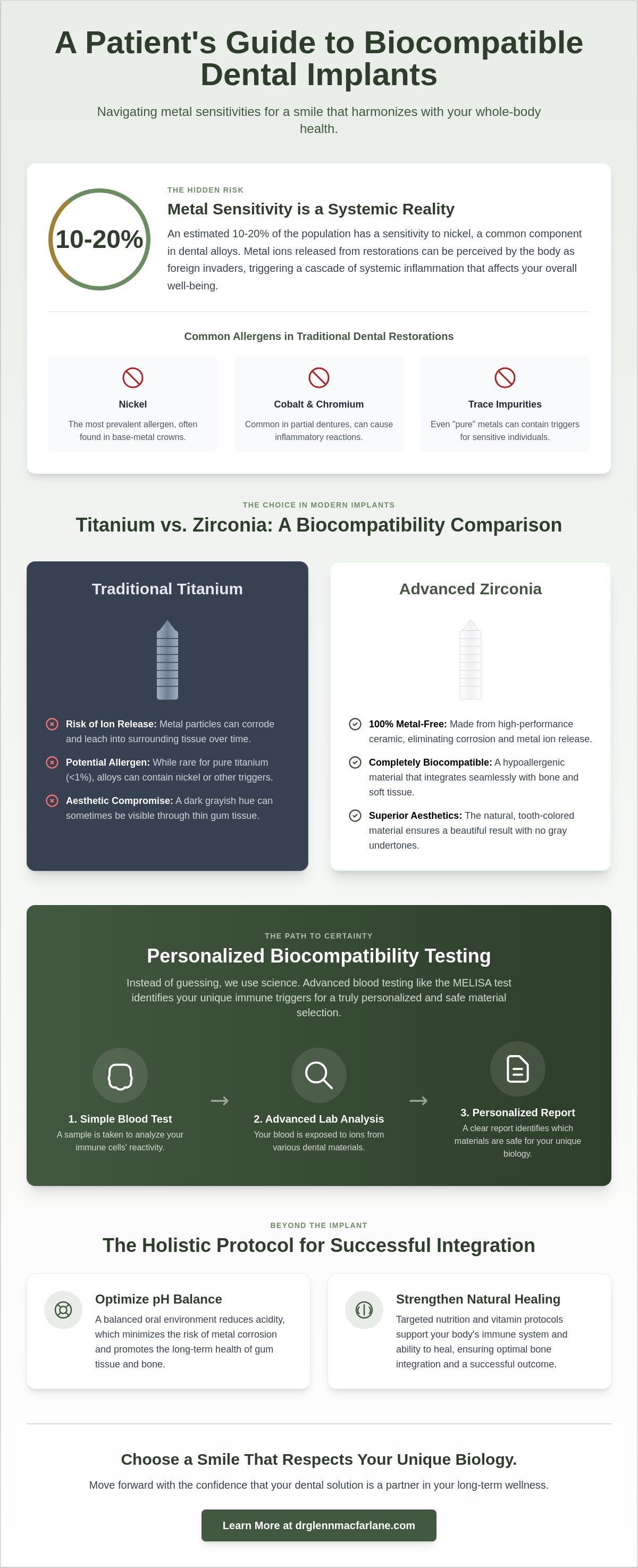
A Metal allergy is far more common than many realize. Estimates published as recently as April 2026 suggest that 10 to 20 percent of the general population lives with a sensitivity to nickel, one of the most frequent components in dental alloys. While a localized irritation might cause minor redness or discomfort at the site of a restoration, a systemic immune response is a more complex physiological event. When the body perceives metal ions as foreign invaders, it can trigger a cascade of inflammation that affects the entire system. This distinction is vital for anyone considering long-term restorative solutions.
The Systemic Connection: Oral Health as Whole-Body Wellness
The mouth is the gateway to your internal health. It isn't an isolated system; it's an interconnected landscape where oral health directly influences systemic well-being. Dr. MacFarlane views every restoration through this lens of interconnectedness. We focus on the concept of bio-accumulation, the gradual buildup of substances in the body over time. Choosing biocompatible materials isn't just about immediate success. It's about ensuring your dental work harmonizes with your body's natural chemistry for decades. By balancing organic values with scientific precision, we move away from "one-size-fits-all" approaches toward a more refined, patient-centric methodology.
Common Allergens Found in Dental Restorations
Identifying the specific triggers of an immune response is the first step toward safety and aesthetic harmony. Several metals commonly used in traditional dentistry are known to cause sensitivities:
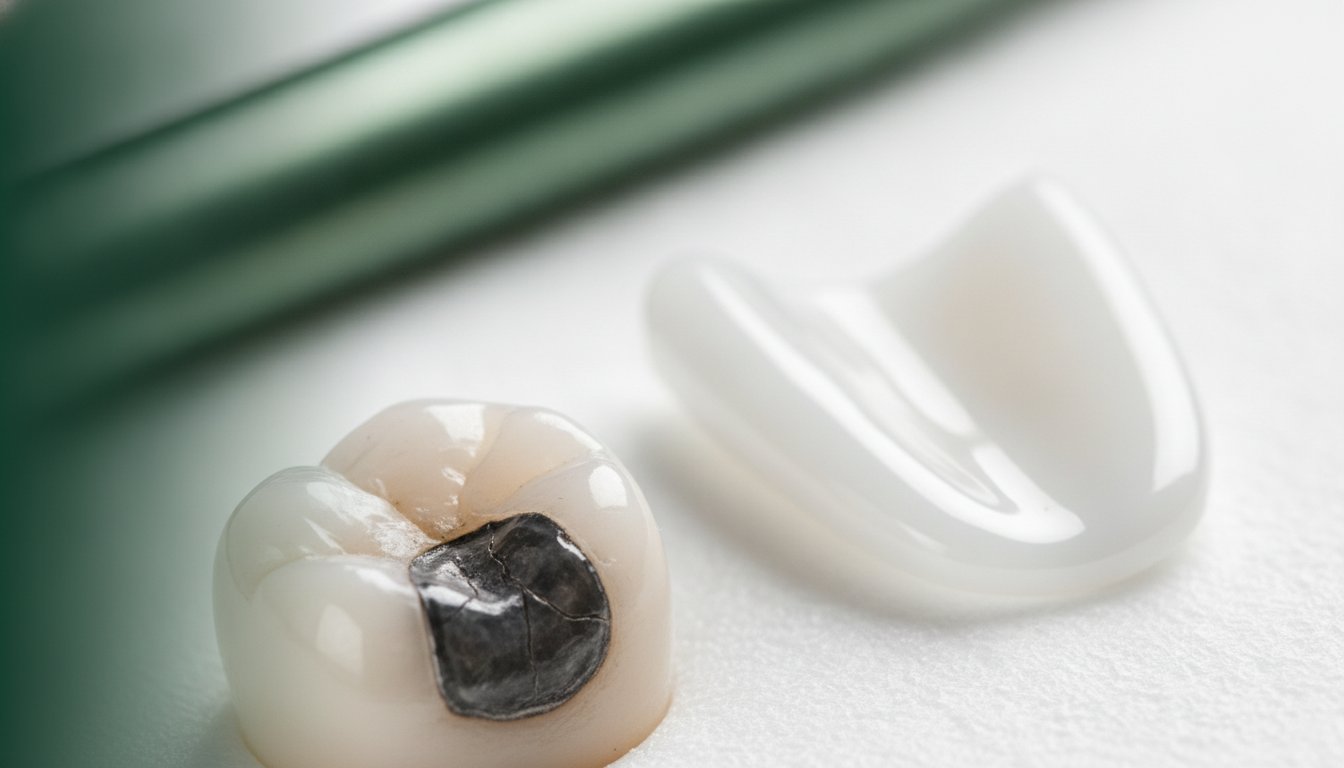
- Nickel: The most prevalent allergen, often found in base-metal crowns and older implant components.
- Cobalt and Chromium: Frequently paired in partial dentures and orthopedic devices, these can cause persistent inflammatory reactions.
- Trace Impurities: Even metals marketed as "pure" can contain microscopic amounts of secondary elements that trigger a metal allergy and dental implants complication.
The shift toward health-conscious, metal-free alternatives represents a new standard in restorative care. It's a commitment to technical excellence that prioritizes your systemic health without compromising on functional strength or beauty. By looking beyond immediate symptoms, we treat the individual as a whole, ensuring every material placed in your body is a partner in your long-term wellness.
Can You Be Allergic to Titanium Dental Implants?
Titanium has long been hailed as the gold standard of dental materials. Its strength and ability to fuse with bone are legendary. Yet, for a specific group of patients, this standard presents a hidden challenge. While true allergic reactions to titanium are rare, with an estimated prevalence of less than 1 percent, they are a documented clinical reality. Titanium hypersensitivity is an immune-mediated response to metal ions. When these ions are released into the surrounding tissue, your body may not recognize them as friendly. Instead, it mounts a defense.
This biological response isn't always confined to the jaw. Research indicates that titanium ions can migrate beyond the oral cavity, moving to local lymph nodes and even distant organs. This systemic footprint is why a metal allergy and dental implants can sometimes manifest as "silent" symptoms. You might not feel pain in your tooth, but your body is under constant, low-grade stress. Understanding this connection is the first step toward achieving true systemic harmony.
Identifying the Signs of Implant Hypersensitivity
Recognizing a sensitivity requires looking beyond the obvious. While chronic inflammation, redness, or swelling around the implant site are clear indicators, other signs are more subtle. Patients often overlook systemic issues like unexplained fatigue, persistent skin rashes, or joint pain that seems to appear without cause. In some cases, what a clinician might label as a standard "implant failure" is actually the body's refusal to accept a reactive material. If you're concerned about how your body might react to traditional materials, exploring biocompatible alternatives can provide much-needed clarity.
Oral Galvanism: The Battery Effect in Your Mouth
Your mouth is a complex electrochemical environment. When different metals, such as titanium implants, gold crowns, or silver amalgam fillings, coexist in a saliva-rich environment, they can create micro-electric currents. This phenomenon is known as oral galvanism. It's effectively like having a tiny battery operating in your mouth 24 hours a day. These currents can interfere with the body's natural electrical signaling, potentially impacting the central nervous system and disrupting mineral balance.
- Micro-currents: Constant electrical activity can cause a metallic taste or persistent "shocks."
- Systemic Stress: Galvanism can contribute to headaches and chronic tension.
- Material Harmony: Achieving a metal-free environment reduces this electrical interference.
Addressing these currents often begins with evaluating existing restorations. Removing old, reactive materials is a vital step in restoring your body's natural frequency and ensuring long-term health. By prioritizing a harmonious oral environment, we protect your systemic wellness from the ground up.
Biocompatibility Testing: A Personalized Diagnostic Approach
Modern dentistry is undergoing a profound shift toward precision medicine. The era of "one-size-fits-all" restorations is fading, replaced by a more refined understanding of individual biology. We recognize that every patient carries a unique immunological blueprint. What works for one person may trigger a cascade of inflammation for another. By prioritizing diagnostic precision, we move beyond guesswork to ensure your dental restorations support your systemic health rather than challenging it.
Concerns regarding metal allergy and dental implants require more than a visual examination or a history of skin rashes. Blood-based diagnostics offer a sophisticated window into your immune system's specific triggers. This data-driven material selection provides the peace of mind that comes from knowing your body will accept, rather than reject, its new restoration. We integrate this testing into our initial consultation process, creating a path to health that is as scientifically sound as it is aesthetically pleasing.
The MELISA Test for Metal Sensitivities
The Memory Lymphocyte Immunostimulation Assay, commonly known as the MELISA test, is a type of lymphocyte transformation test that serves as the gold standard for identifying metal hypersensitivity. Unlike traditional patch testing, which may be less sensitive for certain materials, this blood test measures how your white blood cells react when exposed to specific metal ions like titanium, nickel, or chromium. It identifies the presence of "memory" cells that have already formed a sensitivity. This level of immunological clarity is essential for patients with a history of autoimmune concerns or those who have experienced unexplained symptoms from previous dental work.
Clifford Materials Reactivity Testing
While the implant post is a primary focus, the success of a restoration often depends on the secondary materials involved. Clifford Materials Reactivity Testing allows us to screen over 17,000 different dental products against your specific blood chemistry. This comprehensive evaluation includes cements, resins, and various implant components. By following the biological evaluation standards of ISO 10993, we can pinpoint the safest, most biocompatible matches for your body. This ensures that every element placed in your mouth is chemically inert and promotes systemic healing from the moment of placement.
Integrating these advanced diagnostics into your journey transforms a standard procedure into a life-changing experience of wellness. We don't just replace teeth; we harmonize your oral environment with your entire body. By utilizing these evidence-based tools, we provide a clear, logical path toward a restoration that feels as natural as it looks. Your health is too important for assumptions; we choose certainty through science.
Zirconia Dental Implants: The Sophisticated Metal-Free Alternative
Once diagnostic testing provides the necessary clarity, the focus shifts to the restoration itself. Zirconia represents the pinnacle of modern material science. It is a high-performance ceramic designed to mimic the structural role of natural tooth roots without the biological baggage of metal. Because zirconia is chemically inert, it does not trigger the same immune response that often complicates cases of metal allergy and dental implants. It stays stable. It stays silent. Zirconia is a non-conductive material, eliminating the risk of oral galvanism.
Beyond its biological neutrality, zirconia offers a distinct aesthetic advantage that traditional materials lack. Titanium posts can sometimes cast a subtle gray shadow through thin gum tissue, a common concern for patients seeking a truly natural appearance. In contrast, zirconia's white body harmonizes with the surrounding bone and soft tissue. This ensures your smile remains bright and authentic, even at the gum line. If you are ready to prioritize both health and beauty, you can schedule a consultation for zirconia implants to explore your options.
Why Ceramic Implants Excel in Biocompatibility
Ceramic implants provide a level of soft tissue integration that metals simply cannot match. Research indicates that zirconia has a lower plaque affinity than titanium. This means harmful bacteria are less likely to adhere to the surface, significantly reducing the risk of inflammation around the implant site. The material's smooth surface allows for a mucosal seal where the gums attach firmly to the ceramic. Because there is no corrosion or metal ion release over time, your body's inflammatory markers remain calm. It is a sophisticated partnership between technology and nature that promotes long-term stability.
The Functional Excellence of Zirconia
Do not mistake its ceramic nature for fragility. Modern zirconia is yttria-stabilized, giving it high fracture toughness and exceptional durability for long-term success. We carefully select between one-piece and two-piece designs based on your specific anatomical needs. One-piece designs eliminate the micro-gap between the implant and abutment, further reducing the chance of bacterial colonization. This technical excellence supports the benefits of zirconia dental implants, bridging the gap between holistic wellness and surgical precision. Every placement is guided by a commitment to superior standards and functional excellence, ensuring your restoration is as reliable as it is beautiful.
The Holistic Protocol for Successful Implant Integration
Successful osseointegration isn't a happy accident. It's a curated biological event. While we've established the necessity of testing for a metal allergy and dental implants and selecting zirconia, the clinical protocol for placement is where the transformation truly happens. Dr. MacFarlane prepares your body by focusing on the internal landscape, ensuring the "soil" is ready for the "seed." This is the difference between a simple procedure and a life-changing restoration.
Bone healing requires more than just time; it requires a specific physiological environment. We focus on optimizing your nutrition and maintaining a healthy pH balance to support bone density and implant acceptance. A biological approach creates predictable outcomes because it respects your body's natural healing capacity. When your system is in a state of alkaline balance and properly nourished, it can focus its energy on integrating the new restoration. This transition from traditional dentistry to a partnership in systemic health ensures that your smile supports your overall vitality.
Advanced Infection Control with Ozone Therapy
Safety and sterility are paramount during the placement process. We utilize ozone therapy to treat the implant site, ensuring a pristine environment for healing. This naturally advanced approach uses medical-grade oxygen to eliminate pathogens without the need for toxic chemicals. It stimulates local blood flow. It accelerates the cellular healing response. The synergy between ozone and biocompatible materials creates a vibrant, clean environment where your new tooth can thrive without inflammatory interference.
A Legacy of Trust and Technical Excellence
Your journey is guided by over 40 years of clinical wisdom and established professional credibility. Dr. MacFarlane has spent decades championing mercury-safe, health-conscious care for patients who value their systemic harmony. We utilize 3D Cone Beam imaging to map your unique anatomy with scientific precision, allowing for minimally invasive placement that preserves your natural tissue. This level of technical excellence ensures a safer, more comfortable experience from start to finish.
We invite you to experience a biological dentist who sees the person behind the smile. By looking beyond immediate symptoms to treat the individual as a whole, we provide a path to wellness that is both gentle and cutting-edge. Your smile is an investment in your health, and our holistic protocol ensures that investment pays dividends in beauty, function, and peace of mind for years to come.
A New Standard of Systemic Harmony
Your smile is a reflection of your internal health. It's a delicate balance. We've navigated the complexities of biocompatibility, from the precision of blood-based testing to the functional elegance of ceramic restorations. Addressing a metal allergy and dental implants is no longer a hurdle; it's an opportunity to choose a material that truly resonates with your biology. Zirconia offers a path toward a metal-free, vibrant future where inflammation is replaced by lasting harmony.
You deserve a partner who values your whole-body wellness. With over 40 years of clinical excellence, Dr. MacFarlane integrates the SMART Certified Mercury-Safe Protocol with advanced 3D imaging diagnostics to provide a superior standard of care. This is dentistry refined. It's time to experience the future of biocompatible dentistry with Dr. MacFarlane and step into a life-changing experience of health. Your journey to a more harmonious smile begins with a single, confident decision. We look forward to guiding you toward a healthier, more authentic version of yourself.
Frequently Asked Questions
Can I be allergic to my existing titanium dental implants?
Yes, titanium hypersensitivity is a rare but documented clinical reality affecting less than 1 percent of patients. While many people tolerate titanium well, others develop an immune-mediated response over time. This reaction can lead to localized inflammation or even systemic symptoms as metal ions migrate through the body. If you suspect your body is reacting to an existing restoration, advanced diagnostics can provide the clarity you need to restore systemic harmony.
What are the most common symptoms of a metal allergy in the mouth?
Localized symptoms typically include persistent redness, swelling, or a "burning" sensation in the gum tissue surrounding the restoration. You might also notice a metallic taste, chronic dryness, or patches of white tissue. These signs indicate that your immune system is reacting to foreign ions, often signaling a conflict between your metal allergy and dental implants. Recognizing these early markers is the first step toward achieving a healthier oral environment.
Is zirconia as strong as titanium for back teeth implants?
Yes, modern zirconia is yttria-stabilized, providing the high fracture toughness and durability required for the intense pressure of back teeth. It is a high-performance ceramic designed for long-term functional excellence. Unlike traditional metals, it offers structural integrity without the risk of corrosion or ion release. This makes it a reliable, high-strength choice for complex procedures like a full mouth reconstruction where both beauty and bite force are essential.
How do I know if I need biocompatibility testing before my procedure?
You should consider testing if you have a history of skin sensitivities, autoimmune conditions, or previous adverse reactions to jewelry or dental work. If you've ever experienced unexplained fatigue or chronic inflammation after a medical procedure, data-driven material selection is essential. We recommend blood-based diagnostics like the MELISA test to provide immunological certainty before starting your treatment, ensuring every material used supports your body's unique chemistry.
Can metal allergies cause my dental implant to fail years later?
Yes, a late-stage failure can occur if the body's chronic inflammatory response eventually prevents the bone from maintaining its bond with the metal. This "silent" rejection often masquerades as standard bone loss or gum disease, even if the initial surgery was successful. Proactively addressing a metal allergy and dental implants through biocompatible material selection is the best way to ensure your restoration remains stable and integrated for a lifetime.
What is the difference between being mercury-free and mercury-safe?
Mercury-free means a practice does not place new silver amalgam fillings, while mercury-safe refers to the use of specialized protocols during the removal of existing ones. Being mercury-safe involves rigorous safety standards, such as the SMART Certified Mercury-Safe Protocol, to protect you from toxic vapors during the process. It is a comprehensive commitment to systemic health that looks beyond the immediate procedure to protect your long-term vitality.
Is the MELISA test covered by standard dental insurance?
Most standard dental insurance plans do not cover advanced biocompatibility testing like the MELISA test. It is often classified as a diagnostic medical laboratory test rather than a routine dental procedure. We recommend checking with your medical insurance provider, as some health plans may offer partial reimbursement for specialized blood work related to systemic health concerns. Investing in this data ensures you avoid the physical and financial costs of implant rejection.
Can a metal allergy affect my sleep or cause other systemic issues?
Yes, chronic immune activation from a metal sensitivity can lead to systemic issues like fatigue, joint pain, and disrupted sleep patterns. When your body is in a constant state of low-grade inflammation, it impacts your central nervous system and overall vitality. Restoring systemic harmony through metal-free alternatives often helps alleviate these seemingly unrelated health challenges. By removing reactive materials, we allow your body to shift its energy from defense to healing.