Nearly 50% of patients prescribed a CPAP machine discontinue their treatment within the first year. It's a staggering figure that highlights a simple truth. The most advanced medical device is ineffective if it remains unused in a drawer. We understand the exhaustion. The frustration of tangled hoses, skin irritation, and the disruptive hum of a bedside motor can make sleep feel like a chore rather than a sanctuary. You seek systemic harmony, yet the traditional path to restorative rest often feels like a compromise of your personal comfort.
You deserve a solution that aligns with your lifestyle rather than dictating it. This comparison of oral appliance therapy vs CPAP clarifies the clinical efficacy, comfort, and long-term health benefits of modern alternatives. As of May 2026, updated clinical guidelines recognize custom oral appliances as a primary treatment for mild to moderate sleep apnea. We'll examine how these biocompatible, non-electric devices offer a quiet and portable way to protect your cardiovascular health. Discover how to reclaim your nights with a refined approach to sleep that values both scientific precision and your peace of mind.
Key Takeaways
- Recognize obstructive sleep apnea as a systemic health priority that affects your entire body, moving beyond the narrow focus on nighttime snoring.
- Compare the daily lifestyle impact of oral appliance therapy vs CPAP to find a treatment path that ensures consistent, nightly compliance.
- Explore the precision of custom-fabricated appliances that gently reposition the jaw, offering a silent and non-electric alternative to traditional machines.
- Identify the benefits of a holistic diagnostic approach, using 3D imaging to create a sleep solution that harmonizes with your unique oral structure.
- Gain clarity on how to achieve quiet, restorative sleep while protecting your long-term cardiovascular and systemic health.
Understanding the Choice: Oral Appliance Therapy vs. CPAP
Choosing between oral appliance therapy vs CPAP is more than a technical decision; it's a commitment to your long-term vitality. For decades, the standard response to obstructive sleep apnea (OSA) was purely mechanical. While effective, this approach often overlooked the patient's daily experience and the subtle nuances of oral anatomy. Today, we view airway management through a wider lens, recognizing that sleep is the foundational pillar of systemic health. Restorative rest shouldn't feel like a medical chore; it should be a seamless part of your wellness ritual.
Traditional CPAP (Continuous Positive Airway Pressure) utilizes a machine to deliver a steady stream of air through a mask, physically holding the airway open. While it remains a powerful tool for severe cases, many patients find the equipment cumbersome. Oral Appliance Therapy (OAT) offers a more integrated, less intrusive path. This method utilizes a custom-engineered Mandibular Advancement Splint to gently stabilize the jaw and tongue. It's a refined dental solution that works in harmony with your natural anatomy to prevent airway collapse without the need for electricity or hoses.
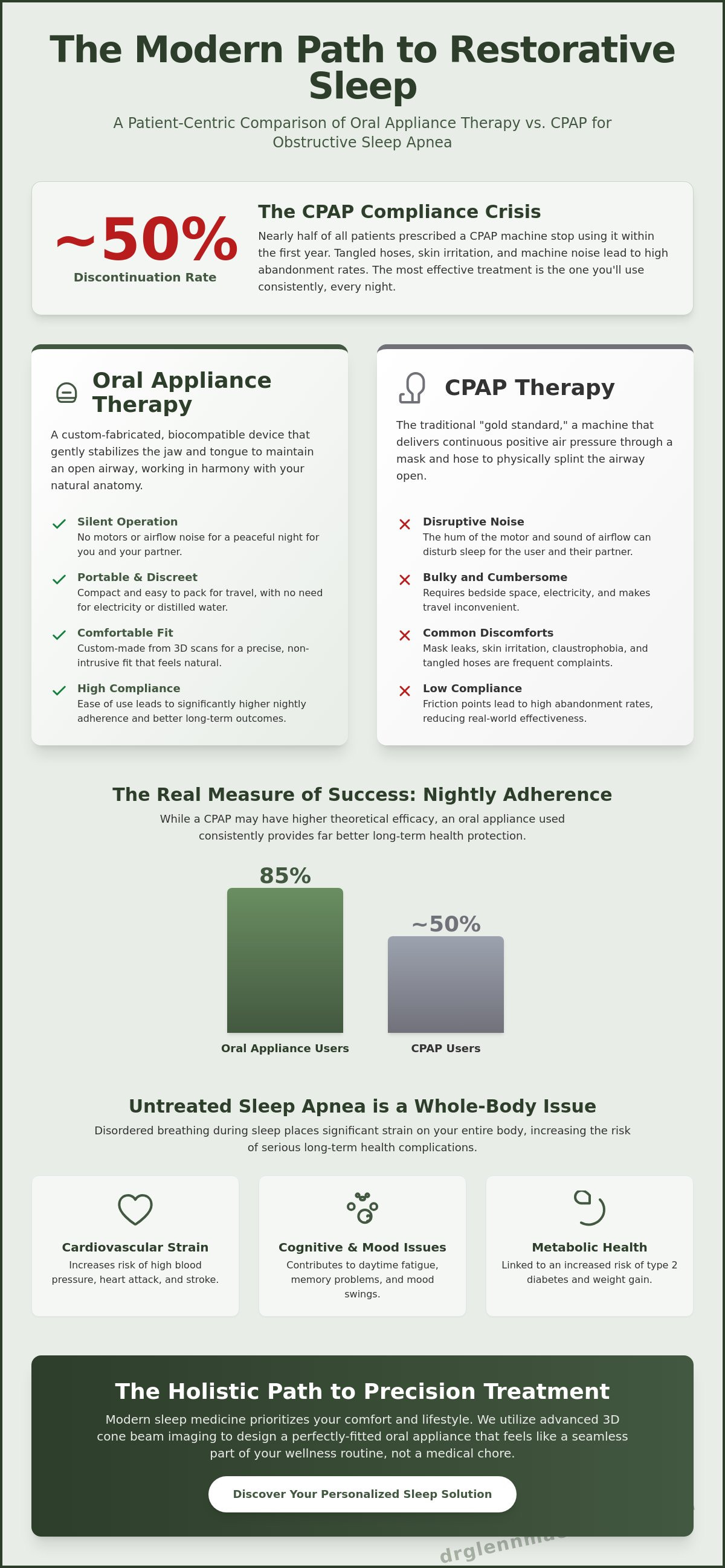
The effectiveness of any therapy is tethered to its actual use. Statistics from 2026 show that approximately 30-50% of patients discontinue CPAP use within the first year. This compliance crisis isn't a failure of the patient. Instead, it's often a mismatch between the technology and the individual's comfort requirements. In contrast, real-world adherence to oral appliances is significantly higher, with roughly 85% of patients using them nightly. The best treatment isn't the most powerful one on paper; it's the one you can tolerate and enjoy using every single night.
The Systemic Impact of Untreated Sleep Apnea
OSA is a systemic challenge that ripples through the entire body. When breathing is disordered, oxygen saturation levels fluctuate, depriving your cells of the oxygen required for repair and cognitive function. This creates significant cardiovascular strain and increases the risk of long-term health complications. Within the framework of biological dentistry, we treat the airway as a vital component of total wellness. We look beyond the immediate symptoms to understand how jaw alignment and tongue posture influence your heart, brain, and metabolic health.
The Evolution of Sleep Medicine in 2026
Sleep medicine has entered a new era of sophistication. We've moved away from bulky, noisy machines toward precision-milled, biocompatible appliances. These devices are designed using advanced 3D cone beam imaging, ensuring a fit that is both gentle and technically excellent. This shift toward patient-centric care prioritizes aesthetic harmony and functional excellence. By utilizing the latest innovations, we can offer a path to restorative sleep that feels like a premium, life-changing experience rather than a clinical necessity.
CPAP: The Gold Standard vs. The Compliance Crisis
Continuous Positive Airway Pressure, commonly known as CPAP, has long been regarded as the benchmark for sleep apnea care. Its primary strength lies in its ability to provide unmatched air pressure control, physically splinting the airway open regardless of the patient's sleeping position. For those with severe obstructive sleep apnea, this mechanical precision is often a vital necessity. However, a significant gap exists between the machine's technical capability and the patient's actual experience. When evaluating oral appliance therapy vs CPAP, we must look beyond clinical settings to the reality of the bedroom.
The "Compliance Crisis" is a well-documented challenge in sleep medicine. While CPAP has nearly 100% theoretical efficacy, its real-world impact is often diminished by low adherence. Research indicates that up to 50% of patients discontinue use within the first year. A machine that stays in the closet provides zero health benefits. This discrepancy highlights the difference between "Theoretical Efficacy" and "Mean Disease Alleviation." While a CPAP might be more powerful on paper, a custom oral appliance that is worn for seven hours every night often produces better systemic outcomes than a CPAP worn for only two.
Several friction points contribute to this high abandonment rate:
- Mask Leaks: Air escaping from the seal can irritate the eyes and create disruptive whistling sounds.
- Claustrophobia: Many individuals feel a sense of restriction or panic when wearing a full-face mask.
- Rainout: Moisture buildup in the tubing can lead to uncomfortable "splashing" or dampness during the night.
- Sensory Overload: The combination of headgear, hoses, and constant airflow can be overwhelming for sensitive sleepers.
The Psychological and Physical Toll of CPAP
Beyond the technical hurdles, CPAP therapy often carries an emotional burden. The constant hum of the motor and the presence of bulky equipment can impact partner sleep and bedroom intimacy. Furthermore, many traditional masks are made from standard plastics that may cause skin sensitivities or breakouts for those with delicate complexions. The maintenance ritual is also demanding. Refilling distilled water, sanitizing hoses, and replacing filters requires a level of daily discipline that many find exhausting. If you find these barriers insurmountable, it may be time to discuss Oral Appliance Therapy as a more harmonious alternative.
When CPAP is Absolutely Necessary
Despite the challenges, CPAP remains an essential tool for specific diagnoses. Individuals with very severe OSA or central sleep apnea, where the brain fails to signal the muscles to breathe, often require the robust support of pressurized air. Understanding your specific needs begins with a professional polysomnography, or sleep study. This diagnostic step ensures you are matched with the most effective Sleep Apnea Treatment Options based on your clinical profile and systemic health goals.
Oral Appliance Therapy: A Biocompatible Alternative
Restorative sleep shouldn't introduce toxins into your system. When comparing oral appliance therapy vs CPAP, many patients overlook the material composition of their treatment. Oral Appliance Therapy (OAT) utilizes a Mandibular Advancement Device to gently reposition the lower jaw. This subtle forward movement keeps the soft tissues of the throat from collapsing during sleep. It's a silent, elegant solution for maintaining an open airway. By stabilizing the tongue and jaw, OAT addresses the root cause of obstruction without the need for forced air or complex machinery.
Precision matters in airway management. Generic "boil-and-bite" guards found in retail stores lack the clinical accuracy required for therapeutic success. They are often bulky, uncomfortable, and can lead to unintended jaw misalignment. In contrast, a custom-fabricated appliance is precision-milled to your unique dental impressions. It provides a refined fit that ensures both comfort and functional excellence. This personalized approach allows for micro-adjustments, ensuring the device is as gentle as it is effective. It's a sophisticated tool designed for those who value both technical precision and aesthetic harmony.
The Holistic Advantage: Biocompatible Materials
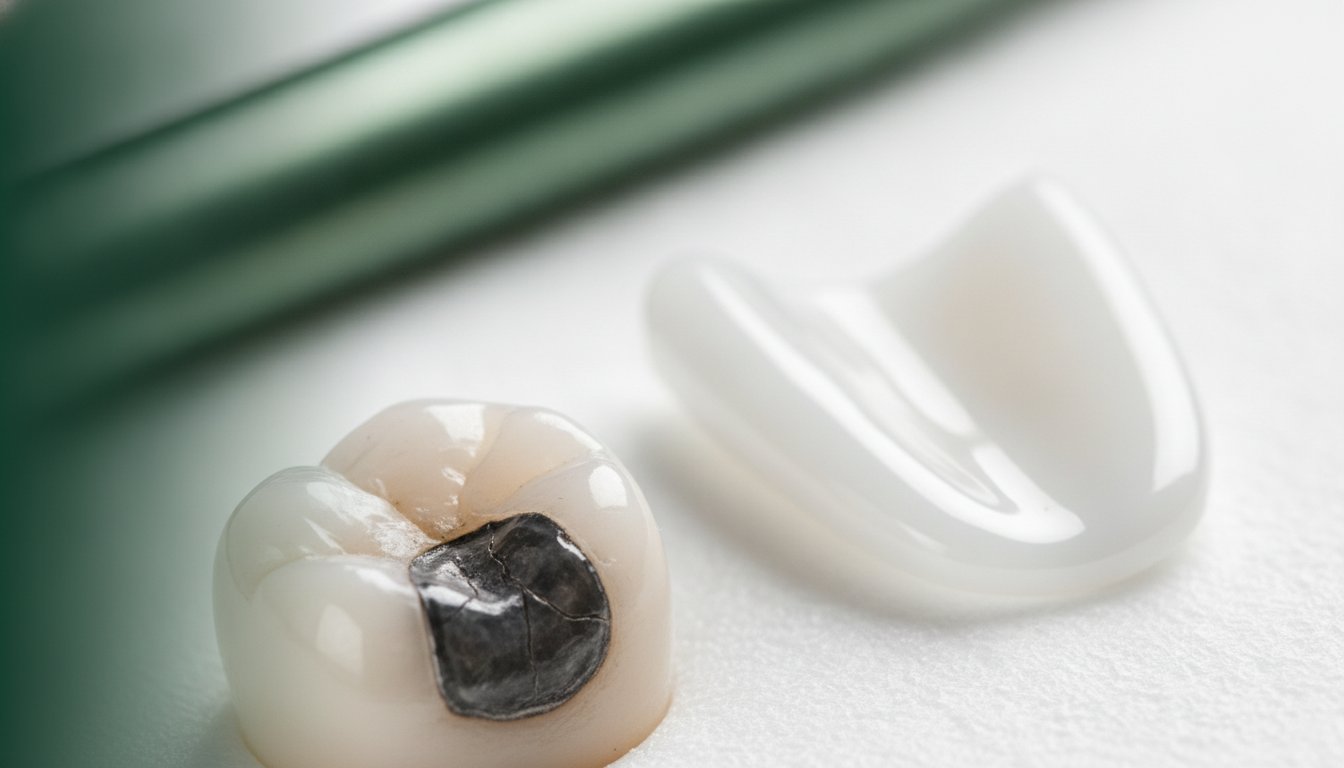
Dr. MacFarlane prioritizes your systemic safety by selecting materials that harmonize with your body's chemistry. High-end oral appliances are crafted from biocompatible, non-toxic polymers. We intentionally avoid plastics containing BPA or phthalates, which can disrupt endocrine function over time. This commitment to purity mirrors our approach to the SMART protocol for mercury removal. We believe every material placed in your mouth should support your total wellness. By choosing a biocompatible appliance, you're protecting your long-term health while resolving your immediate sleep challenges.
Clinical Efficacy: What the Research Says
Is an oral appliance as effective as a machine? For mild-to-moderate OSA, the evidence is compelling. According to the Mayo Clinic on Sleep Apnea, oral appliances are a recognized and effective alternative to positive airway pressure. While CPAP might have higher pressure capacity in a laboratory setting, OAT often wins on "Mean Disease Alleviation." This concept accounts for the total time a patient actually uses the therapy. Because the device is silent and portable, patients are far more likely to wear it throughout the entire night. Research indicates a nightly adherence rate of approximately 85% for oral appliances, significantly outperforming the 50% usage rate often seen with CPAP. A portable, non-electric solution that you actually use is always superior to a gold-standard machine that stays in the drawer.
Comparative Analysis: Oral Appliance vs. CPAP
Choosing between oral appliance therapy vs CPAP requires a thoughtful look at your daily rhythms and health priorities. While CPAP offers mechanical force, Oral Appliance Therapy (OAT) provides a physiological correction that works with your body's natural structure. A common concern regarding OAT is the potential for tooth movement or TMJ discomfort. While generic, over-the-counter devices may pose these risks, a custom-engineered appliance is fundamentally different. Through a meticulous titration process, we professionally adjust the device in micro-millimeter increments. This ensures we achieve maximum airway opening without placing undue stress on the jaw joint or dental alignment. It's a process rooted in clinical authority and patient safety.
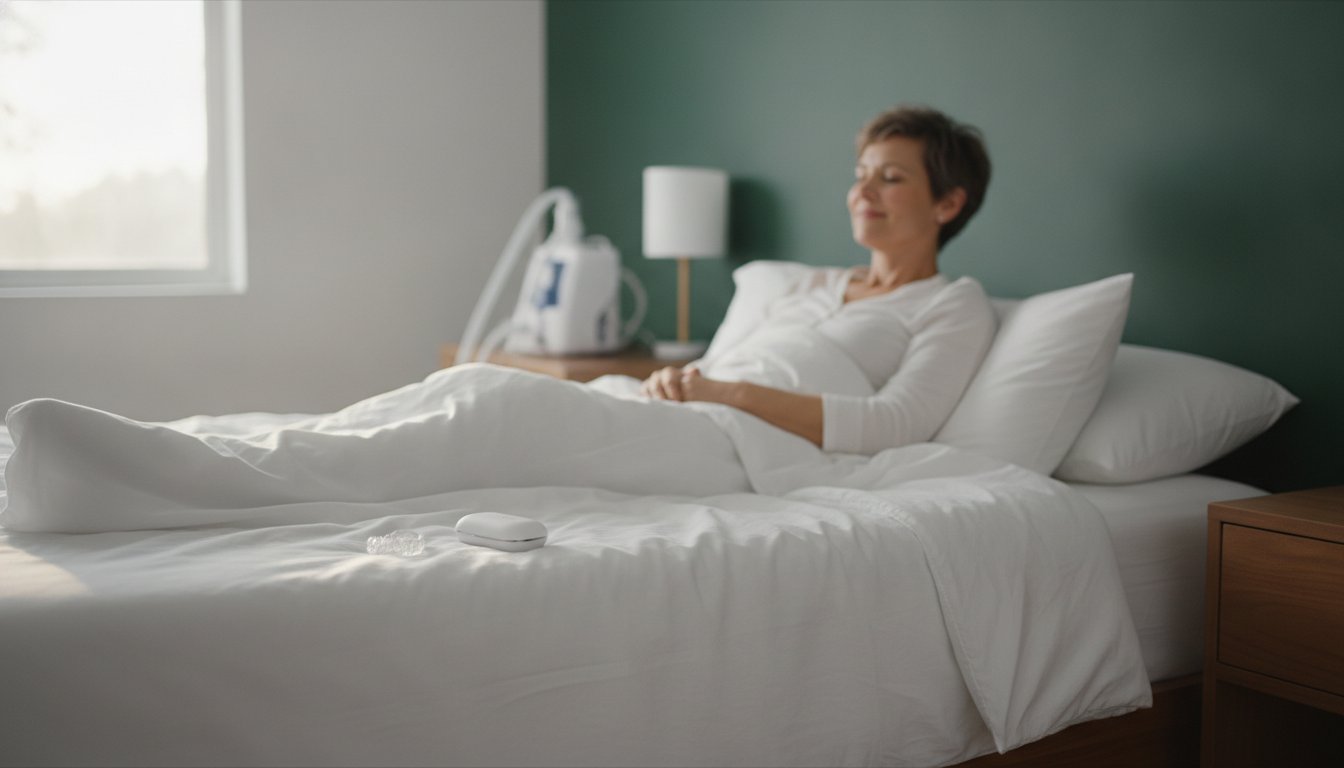
Travel often reveals the sharpest contrast between these two paths. Packing a CPAP machine involves specialized luggage, power adapters, and the constant search for distilled water. It's a logistical challenge that signals "medical patient" to everyone in the terminal. An oral appliance, however, is discreet and TSA-friendly. It fits in your pocket and requires no electricity. You can sleep on a plane, in a tent, or at a boutique hotel without searching for an outlet or worrying about machine noise. As of 2026, the shift toward these portable, non-electric solutions reflects a broader movement toward lifestyle-integrated wellness.
Efficacy and Health Outcomes
The true measure of success is systemic harmony. While CPAP remains highly effective at reducing the Apnea-Hypopnea Index (AHI) in a controlled laboratory setting, OAT excels at improving real-world markers like blood pressure and daytime alertness. Oral Appliance Therapy manages the airway by utilizing physiological positioning to prevent the tongue and soft tissues from obstructing the breath. This gentle stabilization leads to more consistent oxygen saturation throughout the night. For many patients with mild to moderate OSA, the health outcomes are comparable to CPAP because the treatment is actually used for the entire duration of sleep.
Lifestyle and Maintenance Comparison
Maintenance should be a simple ritual, not a chore. Cleaning an oral appliance requires nothing more than a soft toothbrush and gentle cleanser. There are no filters to change, hoses to scrub, or reservoirs to sanitize. For your bed partner, the difference is profound. OAT is entirely silent, preserving the peace of your shared environment and fostering a sense of aesthetic harmony in the bedroom. While CPAP machines require regular part replacements every few months, a high-quality, biocompatible appliance typically offers a lifespan of several years. If you're ready to simplify your path to rest, schedule an evaluation for Oral Appliance Therapy to see if this refined solution is right for your unique anatomy.
The Holistic Path to Better Sleep with Dr. MacFarlane
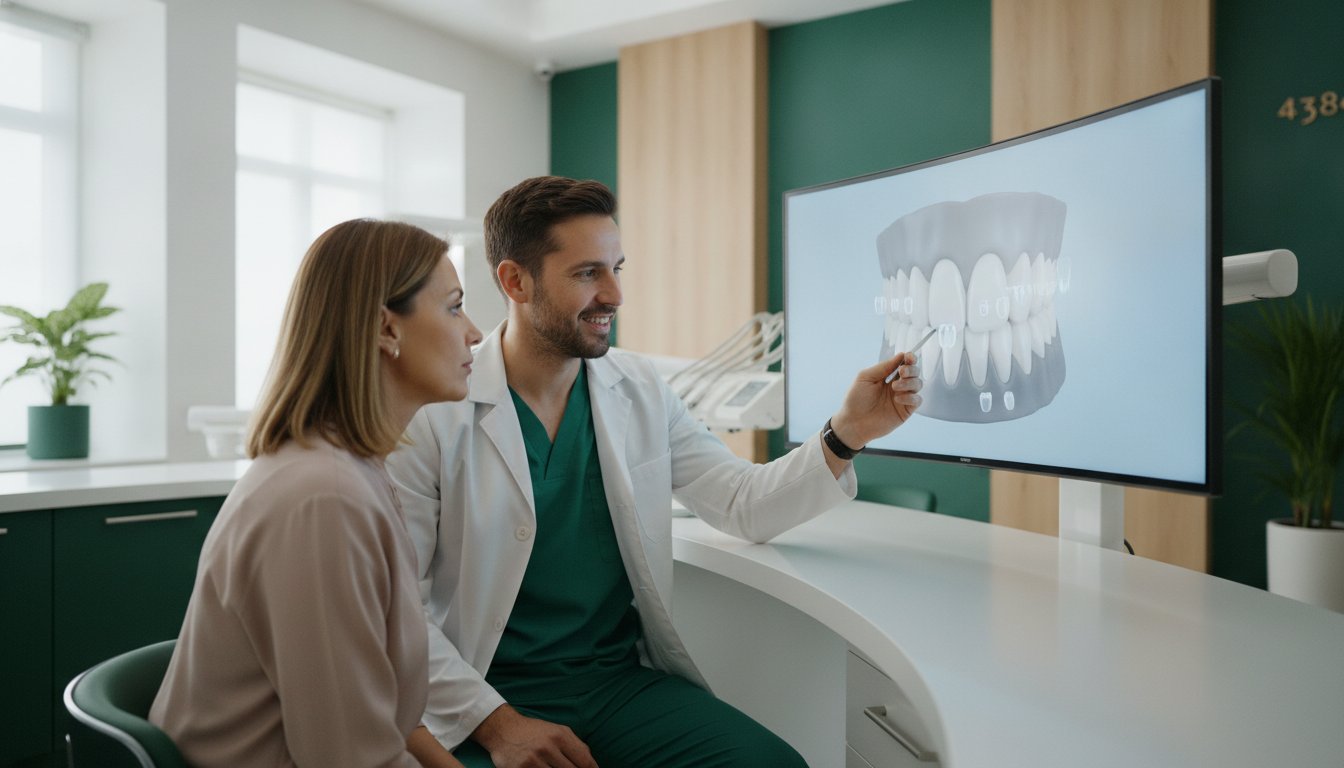
At the Center for Holistic Dental Medicine, we believe your journey to restorative sleep should be as refined as it is effective. We don't view sleep apnea through a purely mechanical lens. Instead, we see it as a pivotal point of systemic health. Our diagnostic process begins with a comprehensive evaluation of your oral architecture. By utilizing Digital X-rays and 3D Cone Beam Imaging, we gain a precise, three-dimensional understanding of your airway and jaw alignment. This data-driven foundation allows us to move beyond guesswork into the realm of technical excellence. Scientific precision. Anatomical harmony. Lasting results.
When you analyze oral appliance therapy vs CPAP, the choice often comes down to personal harmony. Oral Appliance Therapy at our practice is never a generic, one-size-fits-all solution. Each device is custom-engineered to meet your specific anatomical requirements and systemic health goals. We prioritize long-term stability, providing dedicated follow-up care to monitor jaw health and ensure your airway remains optimally open throughout the night. This level of professional oversight distinguishes a clinical sleep solution from a simple mouthpiece. It's a commitment to your total well-being that continues long after your initial fitting.
Beyond the Appliance: A Comprehensive Wellness View
True vitality requires a multi-layered approach. While the appliance provides the structural support needed for breathing, we also consider the role of nutrition and systemic inflammation in your sleep quality. Chronic inflammation can narrow airway passages and disrupt the body's natural cellular repair cycles. By integrating biological dentistry principles, we help you address these underlying factors that influence your respiratory health. This synergy between oral care and lifestyle management creates a sustainable path toward total wellness. We act as your wellness partner, looking beyond the immediate symptoms to treat the individual as a whole.
Taking the Next Step Toward Restorative Sleep
The weight of chronic exhaustion is a heavy burden to carry. You deserve a future defined by quiet, mask-free nights and vibrant, energetic mornings. Reclaiming your sleep is a profound act of self-care. It's time to transition from fragmented rest to deep, restorative slumber that fuels your life. We invite you to experience a health-conscious approach to sleep that values your comfort as much as your clinical outcomes. No hoses. No noise. Just pure, uninterrupted rest. Schedule your holistic sleep evaluation with Dr. Glenn MacFarlane today and discover a more harmonious path to wellness.
Reclaiming Your Vitality Through Restorative Sleep
Restorative sleep is the cornerstone of a vibrant life. The choice between oral appliance therapy vs CPAP depends on more than just clinical data. It hinges on your daily comfort and your commitment to long-term systemic harmony. While CPAP remains a mechanical powerhouse, the silent, biocompatible nature of a custom oral appliance often ensures the nightly compliance necessary for true healing. You deserve a solution that honors your lifestyle while protecting your cardiovascular health.
Dr. Glenn MacFarlane brings over 35 years of clinical excellence to every patient's care. Our practice utilizes advanced 3D Cone Beam Imaging to map your airway with absolute precision. This technical excellence, combined with our specialized expertise in holistic protocols, ensures your treatment is as gentle as it is effective. You don't have to settle for disrupted nights or cumbersome equipment. Request Your Sleep Apnea Consultation today to begin your journey toward quiet, health-conscious rest. Your path to renewed energy and systemic wellness is within reach.
Frequently Asked Questions
Is oral appliance therapy as effective as CPAP for severe sleep apnea?
CPAP remains the gold standard for severe obstructive sleep apnea because it can reduce the apnea-hypopnea index by 70% to 95%. However, when comparing oral appliance therapy vs CPAP, the "best" treatment is the one you actually use. For those who cannot tolerate a mask, a custom oral appliance provides a significant clinical benefit and is far superior to an unused machine.
Will an oral appliance for sleep apnea change my bite or cause TMJ?
Custom appliances are precision-engineered to minimize the risk of tooth movement or jaw discomfort. Through a professional titration process, we adjust the device in small increments to ensure airway opening while maintaining jaw health. Regular follow-up care allows us to monitor your alignment and preserve systemic harmony throughout your treatment journey.
Does medical insurance cover oral appliance therapy?
Yes, insurance coverage has expanded significantly for these devices. As of May 1, 2026, new clinical guidelines establish custom oral appliances as a first-line treatment for mild to moderate sleep apnea with AHI scores between 5 and 30. We recommend verifying your specific plan's requirements, as many insurers now prioritize these portable solutions for patient compliance.
How long does it take to get used to wearing a sleep apnea mouthguard?
Most patients adapt to their new appliance within a few nights to two weeks. Because the device is custom-milled to your unique anatomy, it feels much more natural than generic alternatives. This short adjustment period is a small investment for a lifetime of quiet, restorative sleep without the burden of hoses or masks.
Can I use an oral appliance if I have dental implants or veneers?
You can absolutely utilize oral appliance therapy if you have existing dental restorations. Our advanced 3D imaging allows us to design a device that fits securely while protecting your porcelain veneers or zirconia dental implants. The custom fit ensures that pressure is distributed safely and evenly across your dental arch.
How do I clean and maintain my custom oral appliance?
Maintenance is a simple, non-toxic ritual. Use a soft toothbrush and a gentle, non-abrasive cleanser to clean the device every morning. Avoid harsh chemicals that could degrade the biocompatible materials. This straightforward care routine ensures your appliance remains a clean, effective tool for your systemic wellness for years to come.
What happens if I stop using my CPAP and switch to an oral appliance?
Many patients experience a dramatic increase in treatment consistency when they make the switch. While CPAP discontinuation rates are nearly 50% within the first year, approximately 85% of patients use their oral appliance every single night. This transition often leads to better long-term health outcomes because the therapy is actually being utilized as intended.
Is a custom oral appliance better than the "boil-and-bite" guards found online?
Custom-fabricated appliances are significantly safer and more effective than over-the-counter versions. Retail "boil-and-bite" guards lack the clinical precision needed to treat diagnosed sleep apnea and can inadvertently cause jaw misalignment or tooth pain. A professional device is a sophisticated medical tool engineered for your specific airway needs and long-term safety.