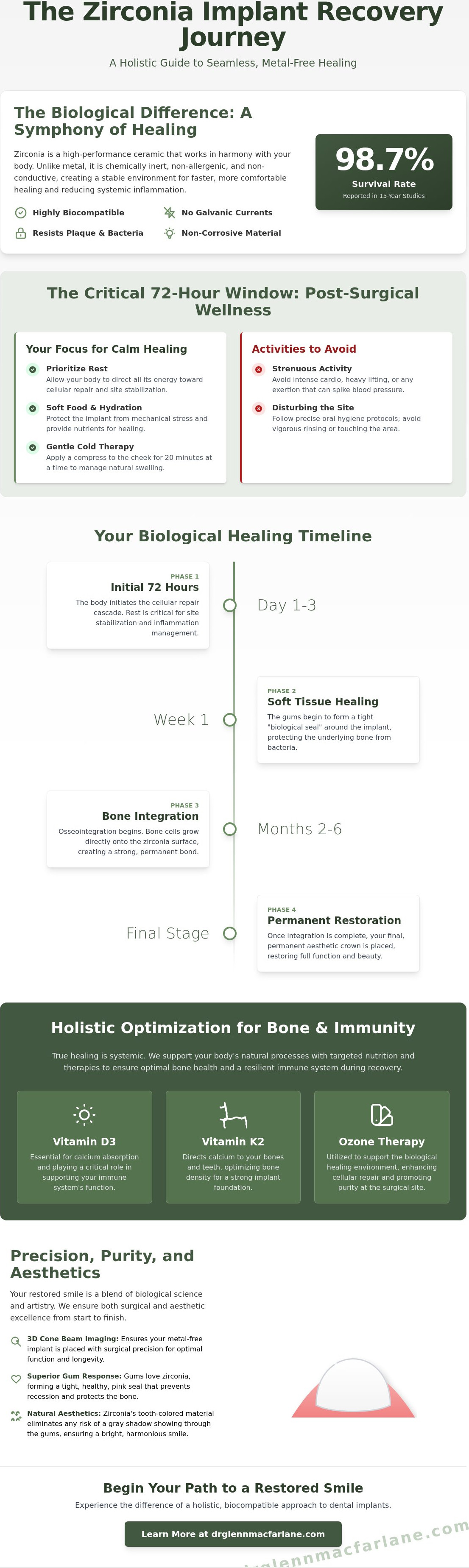
What if your dental healing was a symphony of biological precision rather than just a period of discomfort? Many patients feel a mix of excitement and anxiety when planning for the recovery after zirconia implant surgery, wondering if their body will accept the new material. It's common to fear potential rejection or long periods of pain. However, with a 98.7 percent survival rate reported in recent 15 year studies, these ceramic restorations offer a level of biocompatibility that matches your body's natural rhythms.
We understand that you want more than just a successful procedure; you want a journey that feels safe and refined. This article promises to guide you through optimizing your systemic health to ensure a seamless, metal-free recovery. You'll discover the exact phases of bone integration, the essential role of nutritional support in healing, and how to manage the transition to your permanent, aesthetic teeth with total confidence. Your path to a harmonious smile starts with understanding the profound interconnectedness of your health and your healing.
Key Takeaways
- Understand why zirconia's non-corrosive and biocompatible nature minimizes systemic inflammation for a more comfortable healing experience.
- Learn how to navigate the critical 72-hour window of recovery after zirconia implant surgery to stabilize the site and accelerate cellular repair.
- Map out your biological timeline, from the first week of soft-tissue healing to the final stage of permanent osseointegration.
- Discover the essential role of Vitamin D3, K2, and Ozone Therapy in supporting your immune system and optimizing bone density.
- See how precision technology like 3D Cone Beam imaging ensures your metal-free implant is placed with surgical and aesthetic excellence.
The Biological Difference: Why Zirconia Recovery is Unique
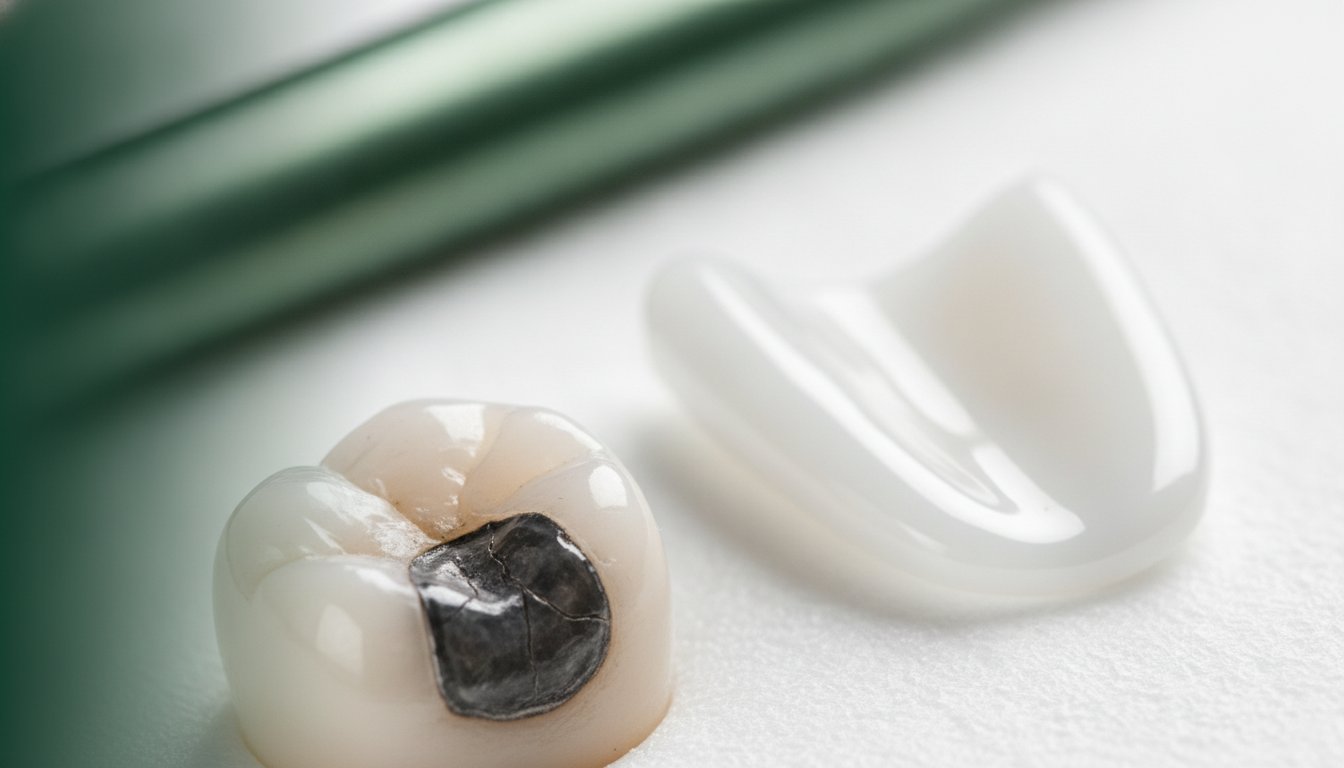
Recovery after zirconia implant surgery is fundamentally different because the material itself interacts with your biology in a unique way. Unlike titanium, which is a metal, zirconia is a high-performance ceramic. It's chemically inert. This means it doesn't corrode or release metal ions into your surrounding tissues or bloodstream. By choosing a non-allergenic material, you're effectively reducing systemic inflammation from the moment of placement. Your body doesn't have to "fight" a foreign metal object. Instead, it can focus entirely on cellular repair.
Another subtle yet profound benefit is the absence of the galvanic effect. When different metals exist in the mouth, they can create tiny micro-currents. These currents can disrupt the delicate electrical balance of your nervous system. Zirconia is non-conductive. It promotes a calmer, more stable biological environment. This stability is essential for the biological process called osseointegration, where the bone grows directly onto the implant surface to create a permanent bond. In this ceramic-based recovery, your body manages two parallel tasks: bone integration and mucosal integration.
Biocompatibility and the Healing Response
The body recognizes zirconia as a material that belongs. It's highly biocompatible. Because the surface is so smooth and chemically stable, it actually attracts less bacterial plaque than metal alternatives. This is a game-changer during the critical first weeks of recovery. When there's less bacteria at the surgical site, the risk of infection drops significantly. Systemic harmony isn't just a concept; it's the foundation of preventing implant rejection. Your immune system remains at rest, allowing for faster, more efficient cellular regeneration.
Soft Tissue Attachment: The Zirconia Edge
While bone integration is vital, the way your gums respond is equally important. Gums love zirconia. They form a tight "biological seal" around the ceramic neck of the implant. This seal acts as a barrier, protecting the underlying bone from oral bacteria. During your recovery after zirconia implant surgery, you'll likely notice the gum tissue remains a healthy, vibrant pink. Ceramic materials demonstrate a superior soft-tissue response, leading to less recession over time.
There's an aesthetic victory here, too. Titanium can sometimes cast a gray shadow through thin gum tissue, especially in the front of the mouth. Zirconia is naturally tooth-colored. It ensures that even if your gum tissue is delicate, the result remains bright and harmonious. You aren't just healing; you're restoring your smile's natural elegance and functional strength.
The 72-Hour Window: Immediate Post-Surgical Wellness
The first 24 to 72 hours represent the most vital phase for stabilizing the surgical site. During this window, your body initiates a complex cascade of cellular events. It's a period where prioritizing rest isn't just a suggestion; it's a physiological requirement. By minimizing physical exertion, you allow your system to divert its full energy toward cellular repair and site stabilization. Think of these first three days as a quiet sanctuary for your new restoration to settle into its biological environment.
Research into the biocompatibility of zirconia implants suggests that because ceramic is so well-tolerated, the initial inflammatory response is often more manageable than with metal alternatives. However, localized swelling is still a natural part of the biological healing process. Managing this response with a sophisticated, gentle approach ensures that your system remains in a state of calm. Maintaining deep hydration and following a soft-food protocol protects the new implant from unnecessary mechanical stress while providing the nutrients your cells need to begin the integration process.
Refined Pain and Inflammation Management
We advocate for a sophisticated approach to comfort that respects your body's natural chemistry. This often involves a thoughtful blend of clinical prescriptions and natural anti-inflammatories. Many patients find that supporting their recovery with specific enzymes or homeopathic options helps maintain systemic balance. It's essential to avoid any strenuous activity during this window. Heavy lifting or intense cardio can cause blood pressure spikes that may disturb the surgical site. When using cold therapy, apply a gentle compress to the external cheek area for 20 minutes at a time. This reduces swelling effectively without damaging the delicate, recovering tissues.
Immediate Oral Hygiene Protocols
Purity at the surgical site is paramount for a successful outcome. For the first 48 hours, we establish "no-brush" zones directly over the implant to avoid mechanical trauma. Instead, use a gentle saline rinse or a prescribed antimicrobial solution to maintain site purity. Simply let the liquid bathe the area and then let it flow out of your mouth naturally. Never spit forcefully. Similarly, avoid using straws. The suction created by a straw can dislodge the blood clot that's essential for protecting the bone and ensuring a smooth recovery after zirconia implant surgery. Protecting this foundation today ensures the long-term aesthetic harmony of your smile.
The Recovery Timeline: From Surgery to Final Restoration
The timeline of recovery after zirconia implant surgery is a deliberate, rhythmic progression. It's not a race to the finish line. Instead, it's a sequence of biological milestones that ensure your new smile is as strong as it is beautiful. While the first few days focus on quietude, the subsequent weeks and months involve an intricate dialogue between your bone cells and the ceramic surface. A recent five-year prospective study highlighted the long-term success rate of zirconia implants at 93.3 percent, reinforcing that a patient's commitment to the timeline pays dividends in lasting stability.
By the end of the first week, the focus shifts from managing the immediate surgical response to supporting surface-level gum healing. Between weeks two and six, the transition from surgical recovery to biological integration truly begins. This is a quiet but active phase. Your body is busy laying down the foundational matrix that will eventually support your permanent restoration. Finally, between months three and six, the sophisticated process of osseointegration reaches its peak. This is when the jawbone fuses securely to the zirconia, creating a bond that mirrors the strength of a natural tooth root.
Phase 1: The First Two Weeks
Expect a shift in your daily routine during these first 14 days. If your procedure involved sutures, they'll typically be removed or will dissolve naturally during this window. You'll move from a strictly liquid diet to soft, nutritious solids. Think of foods like avocado, well-cooked grains, and blended soups. This transition is vital for maintaining systemic energy without placing mechanical stress on the site. Monitor your gums daily; you're looking for vibrant pink tissue that hugs the implant site closely. This healthy color is a primary indicator that your local immunity is successfully managing the healing process.
Phase 2: The Deep Healing Journey
The middle phase of recovery is all about osseointegration. This is the biological wonder where bone cells actually populate the micro-textured surface of the zirconia. For this to happen successfully, the implant must remain "unloaded." This means you should avoid heavy chewing on that side of your mouth. Even though the site feels healed on the surface, the bone underneath is still maturing. We often utilize follow-up 3D Cone Beam imaging during this time to track your progress with scientific precision. This visualization ensures the bone density is sufficient before we move to the final phase: the placement of your custom, handcrafted ceramic crown.
Holistic Optimization: Supporting Bone Health and Immunity
Healing isn't a passive event. It's an active biological process that requires your body to have the right resources at the right time. To truly optimize your recovery after zirconia implant surgery, you have to look beyond the surgical site and consider your systemic environment. Your body needs to be in a state of regenerative readiness to bridge the gap between a technical procedure and long-term biological stability. When your internal chemistry is balanced, your cells can focus entirely on building new bone around the ceramic restoration.
Nutritional Anchors for Bone Integration
Your bone cells need a specific toolkit to populate the micro-textured surface of a zirconia implant. We focus on the "Bone-Building Trio" of Vitamin D3, K2, and Magnesium. Vitamin D3 acts as the foreman, signaling your body to absorb calcium from your diet. Vitamin K2 then functions as the navigator, ensuring that calcium is delivered directly to the jawbone where it's needed, rather than to your soft tissues or arteries. Magnesium facilitates these vital reactions, making it an essential partner in the osseointegration process.
A diet rich in leafy greens, healthy fats, and clean proteins keeps systemic inflammation low. This allows your immune system to remain calm and supportive of the healing site. Hydration is equally critical for success. Water maintains tissue elasticity and ensures that nutrients reach the surgical site through efficient blood flow. When you provide these building blocks, you're not just waiting for healing to happen; you're actively fueling it.
Systemic barriers can slow your progress significantly. Tobacco use and excessive sugar intake are two of the most impactful inhibitors of bone growth. Sugar creates an acidic environment that can leach minerals from your bone, while tobacco restricts the oxygen flow that is the lifeblood of tissue regeneration. Prioritize deep sleep and stress management during this time. Your body does its best restorative work while you rest, as chronic cortisol spikes from stress can actually interfere with the activity of bone-forming cells.
Advanced Clinical Support: Ozone and Laser
We utilize cutting-edge technology to give your body a significant head start. Ozone therapy is a cornerstone of our biological protocol. By applying medical-grade ozone to the site, we create a sterile, oxygen-rich environment that instantly kills pathogens and stimulates local blood flow. This specialized treatment ensures the area remains pure and highly receptive to integration.
Laser therapy further assists by targeting the mitochondria within your cells, providing the cellular energy needed for rapid tissue repair and reducing post-operative discomfort. Biological dentistry uses the pure power of light and oxygen to boost your internal recovery mechanisms naturally. This combination of technical excellence and nutritional support ensures your recovery after zirconia implant surgery is as efficient as possible. Ready to experience a more refined approach to dental wellness? Schedule your consultation with our expert team today to begin your journey toward a harmonious smile.
The Path to a Restored Smile with Dr. MacFarlane
Choosing a partner for your recovery after zirconia implant surgery is a decision that impacts your long-term systemic harmony. Our practice doesn't view dental work in isolation. We combine technical excellence with a deep, abiding respect for your body's innate wisdom. Every restoration is an opportunity to enhance your total wellness. By focusing on the interconnectedness of health, we ensure your journey is as smooth as it is successful. It's a collaboration between our clinical precision and your biological potential.
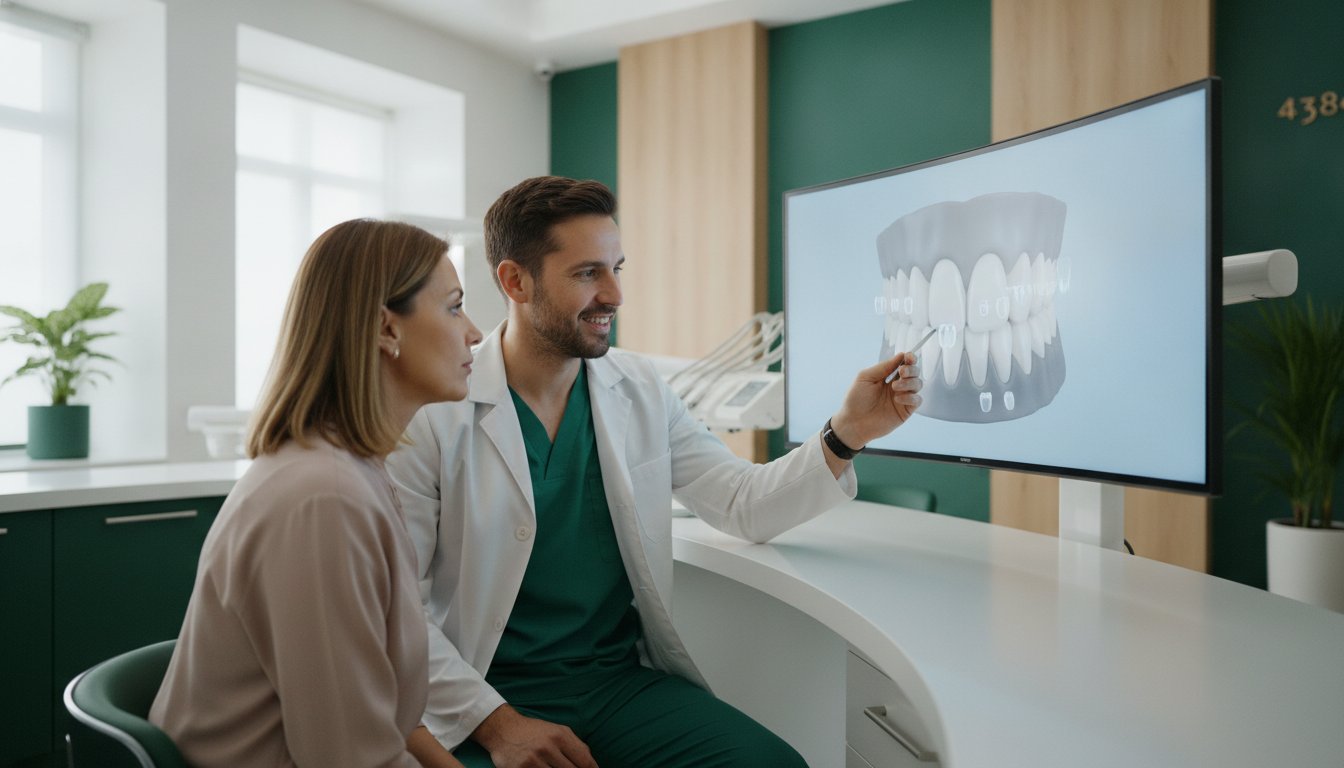
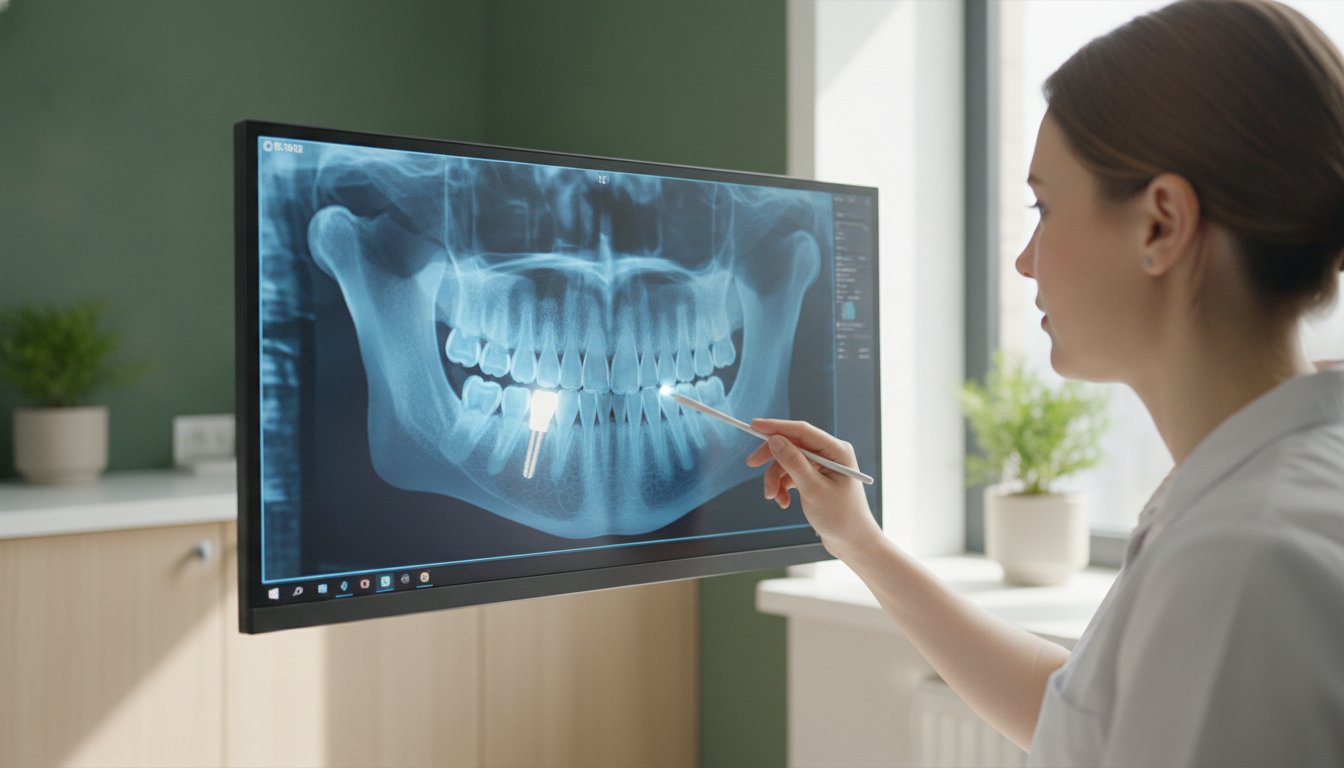
Precision is the hallmark of our methodology. We utilize Digital X-rays and 3D Cone Beam Imaging to map your anatomy with absolute clarity before a single step is taken. This high-definition visualization allows us to place every zirconia implant with a level of accuracy that respects your bone structure and nerve pathways. When the placement is perfect, the biological response is predictably positive. You gain the confidence of a metal-free, biocompatible smile designed for aesthetic beauty and functional longevity.
Why Our Biological Approach Matters
Our philosophy is rooted in the understanding that what happens in your mouth affects your entire body. We bring the same safe mercury removal mindset to our implant surgeries, ensuring every material used is tested for compatibility and safety. Working with a biological dentist means you have a guide who understands how oral health influences systemic immunity. We're committed to using only the most refined, metal-free materials to maintain a clean and non-reactive environment. This dedication to purity reduces the burden on your immune system, allowing for a more graceful and efficient healing process.
Taking the Next Step Toward Healing
Your journey begins with a personalized consultation where we listen to your goals and assess your unique biological needs. We don't believe in one-size-fits-all recovery plans. Instead, we tailor every aspect of your care, from nutritional recommendations to advanced clinical support like Ozone Therapy. We monitor your progress closely, ensuring that your recovery after zirconia implant surgery stays on the path toward total osseointegration. This patient-centric outlook provides a sense of calm confidence and safety throughout your transformation. Your health is a masterpiece of balance; let's work together to restore it. Schedule your consultation for zirconia implants today and discover the difference of a truly holistic dental experience.
Your Journey Toward Systemic Harmony and Functional Excellence
Embrace a future where your dental restoration works in perfect concert with your body's natural rhythms. We've explored how the biocompatible nature of ceramic materials minimizes inflammation and why nutritional anchors like Vitamin D3 are vital for bone density. A successful recovery after zirconia implant surgery isn't just about the absence of pain; it's about the active presence of systemic health. By prioritizing metal-free solutions, you're choosing a path that honors your body's biological integrity.
Dr. MacFarlane has been refining this biological approach since 1985, combining decades of wisdom with state-of-the-art 3D Cone Beam Imaging for absolute surgical precision. As a member of the International Academy of Oral Medicine and Toxicology (IAOMT), he ensures every procedure respects the delicate interconnectedness of your oral and whole-body health. This commitment to superior standards means you don't have to choose between aesthetic beauty and biological safety. You deserve a smile that feels as natural as it looks. Begin your journey to a biocompatible smile with Dr. MacFarlane today. Your path to lasting wellness is closer than you think.
Frequently Asked Questions
How much pain should I expect after zirconia implant surgery?
Most patients report that post-operative discomfort is mild and easily managed. Because zirconia is highly biocompatible, the initial inflammatory response is often less intense than with traditional metal implants. You might experience some localized swelling or a dull ache for the first 48 to 72 hours. We provide a refined management plan that combines clinical prescriptions with natural anti-inflammatories to ensure your comfort remains a top priority.
Can I eat normally immediately after the procedure?
You should stick to a soft-food diet for at least the first week to protect the surgical site. Avoid crunchy, spicy, or very hot foods that could irritate the delicate tissue. Nutritious options like blended soups, avocados, and smoothies provide the energy your cells need for repair without putting mechanical stress on the implant. Gradually, you can reintroduce firmer foods as your local healing progresses and the gum tissue stabilizes.
How long does it take for the ceramic implant to fuse with the bone?
Complete osseointegration typically takes between 3 and 6 months. While the surface-level gum tissue heals within 1 to 2 weeks, the deeper biological fusion of bone cells to the zirconia surface is a slower, more deliberate process. This timeline ensures the implant is strong enough to support a permanent crown. We use 3D Cone Beam imaging during follow-ups to verify this stability before moving to the final restoration phase.
Are there specific vitamins I should take to help my implant heal?
Yes, we recommend a "Bone-Building Trio" of Vitamin D3, K2, and Magnesium. Vitamin D3 helps your system absorb calcium, while K2 ensures that calcium is directed specifically to your jawbone. Magnesium supports these metabolic pathways to optimize your recovery after zirconia implant surgery. Taking these supplements under professional guidance creates a systemic environment that is highly receptive to bone integration and long-term stability.
What are the signs of a successful zirconia implant recovery?
A successful recovery is marked by healthy, vibrant pink gum tissue and a complete absence of persistent pain. The area should feel stable and integrated into your natural oral environment. You shouldn't experience any shifting, significant swelling, or graying of the gums, which is a common aesthetic benefit of ceramic materials. These signs indicate that your body has accepted the biocompatible material and is moving through the healing phases as expected.
What happens if I accidentally chew on the implant site too soon?
If you accidentally chew on the site, don't panic, but do monitor the area for any new pain or bleeding. Heavy mechanical pressure during the early stages can cause micro-movements that disrupt the delicate bone-to-implant bond. While a single accidental bite is rarely catastrophic, it's best to contact our office for a quick assessment. We want to ensure the stability of the implant remains uncompromised during its critical integration phase.
How do I clean the area around the new implant during the first week?
During the first 48 hours, you should avoid brushing the surgical site directly to prevent trauma. Instead, use a gentle saline or antimicrobial rinse to keep the area pure. Let the liquid bathe the site and then let it flow out of your mouth naturally without spitting. After the initial window, you can carefully brush the adjacent teeth while continuing to keep the no-brush zone clean with gentle rinses.
Can I return to work the day after zirconia implant surgery?
Most patients return to their normal professional activities within 1 to 3 days. While the procedure is sophisticated, it's also gentle on the system. If your job involves heavy physical labor or intense speaking, you might consider taking an extra day of rest to manage any minor swelling. Prioritizing quietude in the immediate 72-hour window allows your body to focus its full energy on the initial stages of recovery after zirconia implant surgery.