What if the morning jaw stiffness you fear isn't an inevitable trade-off for a good night's sleep, but a sign that your treatment lacks biological precision? Many patients find themselves trapped in a cycle of exhaustion, frustrated by CPAP discomfort but wary of how a dental device might alter their smile. Understanding the side effects of oral appliance for sleep apnea is the first step toward reclaiming your rest without compromising your dental structure. It is possible to balance airway health with jaw stability when you approach care through a holistic lens.
We believe your path to health should be as refined as it is effective. You deserve a solution that respects the delicate relationship between your airway and your jaw. This guide explores how to manage and prevent complications through a systemic health lens, focusing on biocompatible materials and advanced 2026 diagnostic standards. We will look at the latest innovations in precision design and provide a clear roadmap for achieving restorative sleep while maintaining perfect aesthetic and functional harmony. Discover how to protect your bite while finally securing the deep, uninterrupted sleep your body requires.
Key Takeaways
- Learn how to navigate the initial 2-4 week acclimation phase by understanding how your brain and jaw respond to new structural support.
- Understand the mechanics of mandibular advancement and how professional monitoring prevents permanent bite changes or the common side effects of oral appliance for sleep apnea.
- Discover why choosing biocompatible materials over traditional resins is essential for protecting your soft tissues and maintaining systemic harmony.
- Explore how 3D Cone Beam Imaging and digital precision mapping ensure your appliance is a perfect fit for both your airway and your jaw joints.
- See why the holistic benefits of improved cardiovascular and cognitive wellness far outweigh the manageable risks of oral appliance therapy.
Navigating the Adjustment Period: What to Expect
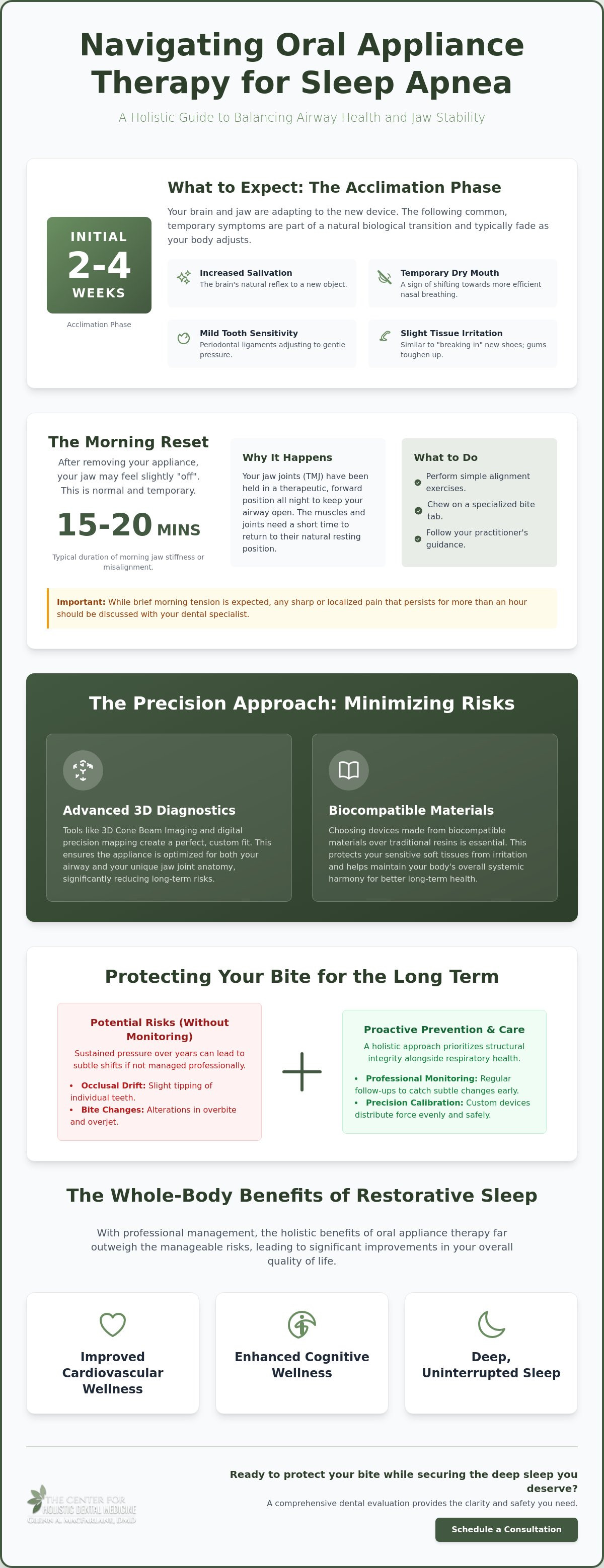
Embarking on Mandibular advancement splint therapy is a significant step toward systemic wellness and restorative rest. The first 14 to 28 days represent a critical acclimation phase for your mouth and jaw. During this window, your body and brain engage in a sophisticated dialogue. Because the brain naturally perceives any new intraoral device as a foreign object, it may trigger protective reflexes. These are not signs of treatment failure. They are part of a natural biological transition as your oral cavity adapts to a new structural alignment designed for airway health.
Most early symptoms are transient and self-correcting. You might notice your brain attempting to "wash away" the new visitor, leading to increased salivation. Conversely, some patients experience a temporary dry mouth as their breathing patterns begin to shift toward more efficient nasal respiration. These minor side effects of oral appliance for sleep apnea are usually short-lived. We view this period as a necessary recalibration of your oral environment, where the soft tissues and muscles learn to relax into a more supportive position.
Common Early Symptoms
In the first few weeks, it's common to experience mild tooth sensitivity upon waking. This sensation occurs because the periodontal ligaments are adjusting to the gentle, constant pressure used to keep the airway open. You may also notice slight soft tissue irritation where the appliance edges meet the gums or cheeks. This is similar to the "breaking in" period of a new pair of high-quality shoes. As the mucosal lining toughens and your biological landscape stabilizes, these sensitivities typically fade, leaving only the benefit of deeper sleep.
The Role of Morning Repositioning
It's normal for your jaw to feel slightly "off" or misaligned for 15 to 20 minutes after removing the appliance in the morning. This happens because the temporomandibular joints have been held in a therapeutic, forward position throughout the night. We recommend a consistent morning routine involving simple alignment exercises or chewing on a specialized bite tab to guide the jaw back to its habitual resting place. This ritual helps reset the muscles and confirms the long-term integrity of your dental structure.
Distinguishing between normal stiffness and clinical discomfort is essential for your peace of mind. While a brief period of morning tension is expected, any sharp or localized pain that persists beyond the first hour should be addressed. Precision care means we look beyond the symptoms to ensure your appliance offers a perfect, health-conscious fit that respects your unique anatomy. By understanding these early side effects of oral appliance for sleep apnea, you can move through the adjustment phase with calm confidence and professional guidance.
Long-Term Side Effects: Addressing Bite Changes and TMJ
While the immediate relief of a quiet night's sleep is life-changing, we must look ahead at how sustained therapy interacts with your dental architecture. Mandibular advancement works by gently repositioning the lower jaw to ensure an open airway throughout the night. Over years of use, this constant, subtle force can influence the position of individual teeth. Research into long-term dental side effects suggests that changes in overbite and overjet are possible if the device isn't meticulously monitored. These shifts aren't inevitable, but they do require a practitioner who prioritizes structural integrity alongside respiratory health.
Monitoring the long-term side effects of oral appliance for sleep apnea is a cornerstone of our clinical philosophy. We don't just focus on the symptoms of apnea; we protect the harmony of your entire facial structure. Regular follow-up appointments allow us to catch subtle movements before they become permanent changes. By choosing a custom-calibrated device, you significantly reduce the risk of common side effects of oral appliance for sleep apnea. If you are concerned about your current bite, a comprehensive dental evaluation can provide the clarity and safety you deserve.
Understanding Occlusal Drift
Occlusal drift occurs when teeth tip slightly in response to the appliance's pressure. This is distinct from skeletal changes, which are much rarer in adults. High-precision oral appliance therapy mitigates this by distributing forces evenly across the entire arch rather than individual teeth. We use digital mapping to ensure the appliance fits with technical excellence, preventing the "dental tipping" that occurs with lower-quality, over-the-counter devices.
Protecting the Jaw Joint
The temporomandibular joint is the pivot point of your systemic health. If an appliance is poorly calibrated, it can lead to TMJ inflammation or muscle strain. Holistic care means we look at how your jaw position affects your neck, spine, and overall posture. Because the alignment of the upper neck is vital to this balance, you can learn more about Upper Cervical Care as part of your holistic health journey. We balance the airway requirements with joint comfort to ensure aesthetic and functional excellence. Early identification of joint clicking or tenderness allows for micro-adjustments that keep your treatment safe and sustainable for the long term. Precision is protection. Safety is paramount.
The Biological Factor: Biocompatibility and Systemic Harmony
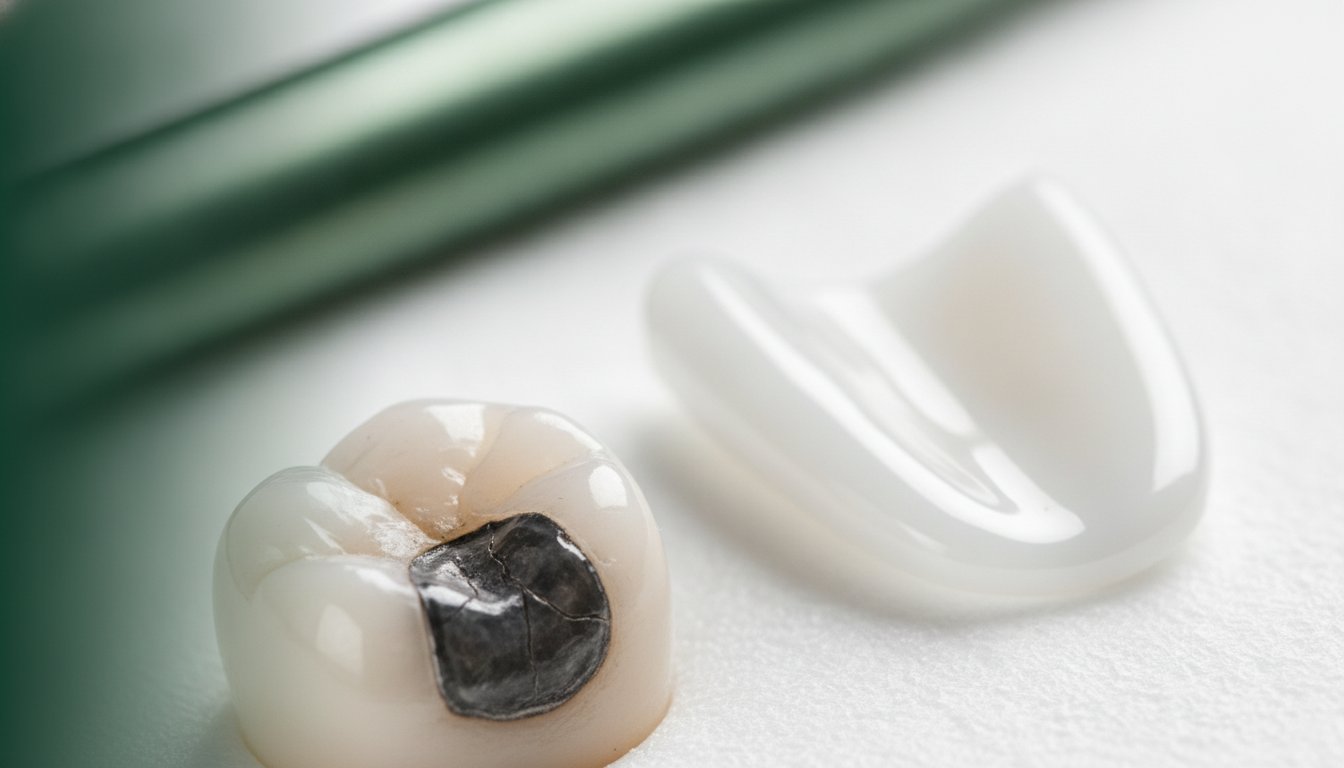
While many discussions regarding the common side effects of oral appliance therapy focus on mechanical jaw movement, the materials resting against your tissues are equally significant. Traditional dental appliances are frequently manufactured using acrylics that may leach phthalates or other endocrine disruptors over time. These substances can cause a localized inflammatory response that many patients mistake for simple physical irritation. In reality, your body is reacting to the chemical composition of the device. The mouth-body connection dictates that what affects your gums eventually affects your systemic health. Chronic exposure to standard resins can lead to a state of "biological friction" that complicates your journey to better rest. By opting for biocompatible alternatives, we remove these invisible hurdles. This ensures that the side effects of oral appliance for sleep apnea are limited to minor, manageable physical adjustments rather than systemic chemical stress.
Why Biocompatibility Matters
Biocompatibility in sleep medicine is the practice of using high-performance materials that remain inert and harmonious within the complex ecosystem of the human mouth. Choosing advanced, non-porous polymers reduces the risk of allergic reactions and chronic soft tissue inflammation. These refined materials prevent the accumulation of biofilm, supporting a balanced oral microbiome rather than disrupting it. When your oral tissues aren't fighting a foreign chemical presence, the adjustment period feels significantly more natural and comfortable. This approach respects the delicate mucosal lining and promotes long-term comfort without the burden of chronic irritation.
Systemic Wellness and Sleep
Airway health is not an isolated dental issue; it is a pillar of your total vitality. A biological dentist views the mouth as a gateway to the rest of the body. Inflammation is the enemy of restorative sleep. When the body is in a state of high alert due to oral irritation, it is harder for the nervous system to transition into a deep, parasympathetic state. Chronic oral inflammation can elevate systemic inflammatory markers, potentially undermining the cardiovascular benefits of treating sleep apnea. By utilizing biocompatible appliances, we ensure that while we open your airway, we are also protecting your systemic harmony. This integrated approach moves beyond simply "fixing a snore." It focuses on enhancing your brain health and heart function through pure, non-reactive solutions. Safety and excellence are woven into every material choice we make.
Minimizing Risks with 3D Diagnostics and Precision
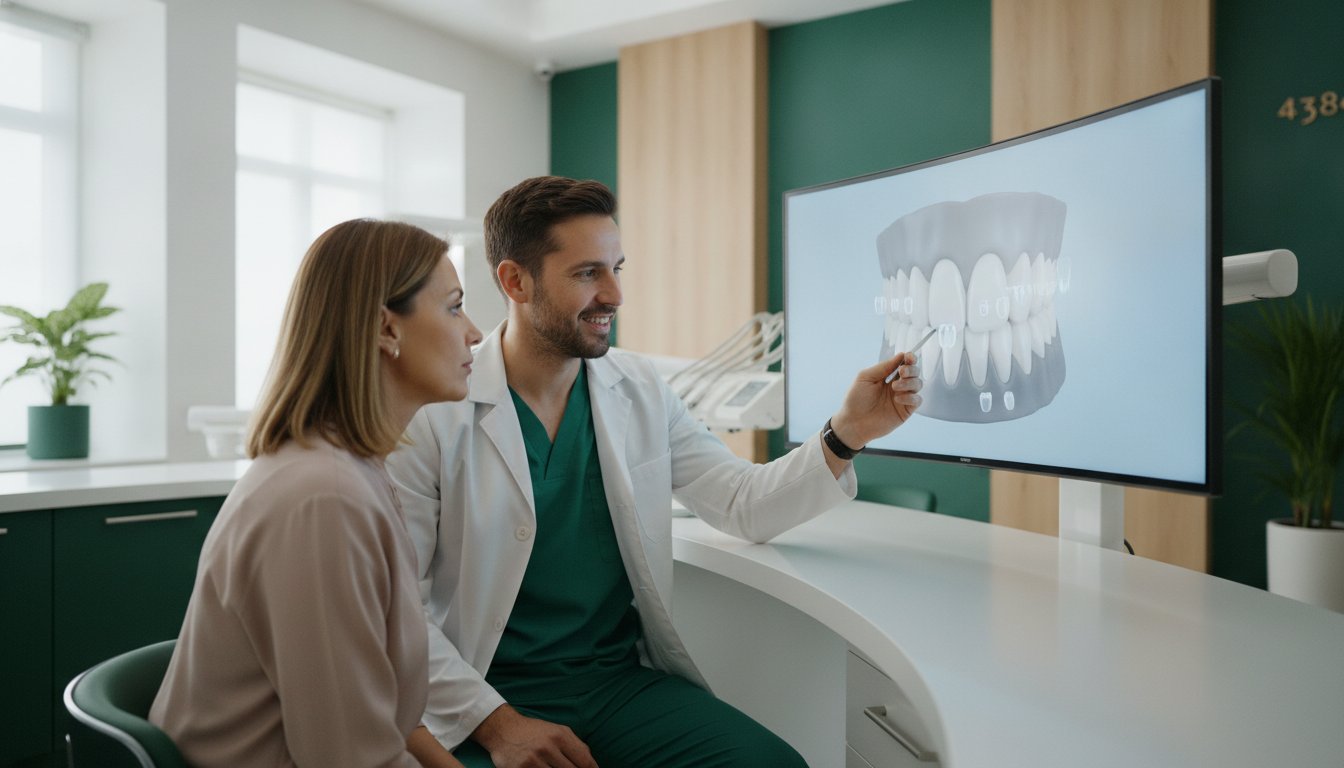
The era of messy, imprecise dental putty has been replaced by a new standard of technical excellence. Modern care utilizes Digital X-rays and 3D Cone Beam Imaging to create a comprehensive blueprint of your unique anatomy. This shift isn't merely about a more comfortable scanning process; it's about diagnostic depth. By mapping the skull, jaw, and airway in three dimensions, we can identify structural nuances that a standard exam might miss. This level of detail is the most effective way to prevent the side effects of oral appliance for sleep apnea. When a device is designed with mathematical precision, it respects the natural boundaries of your oral cavity and prevents unnecessary stress on the teeth and gums.
Generic, over-the-counter "boil-and-bite" devices often exacerbate jaw issues because they lack a diagnostic foundation. Research indicates these non-prescription options can potentially worsen sleep apnea or cause adverse bite changes. In contrast, custom-fabricated appliances are designed to distribute pressure evenly across the entire arch. This protects the integrity of your dental structure while ensuring the airway remains patent. To experience the difference that advanced technology makes, you can schedule a precision airway evaluation to see your results in 3D.
The Power of CBCT Scans
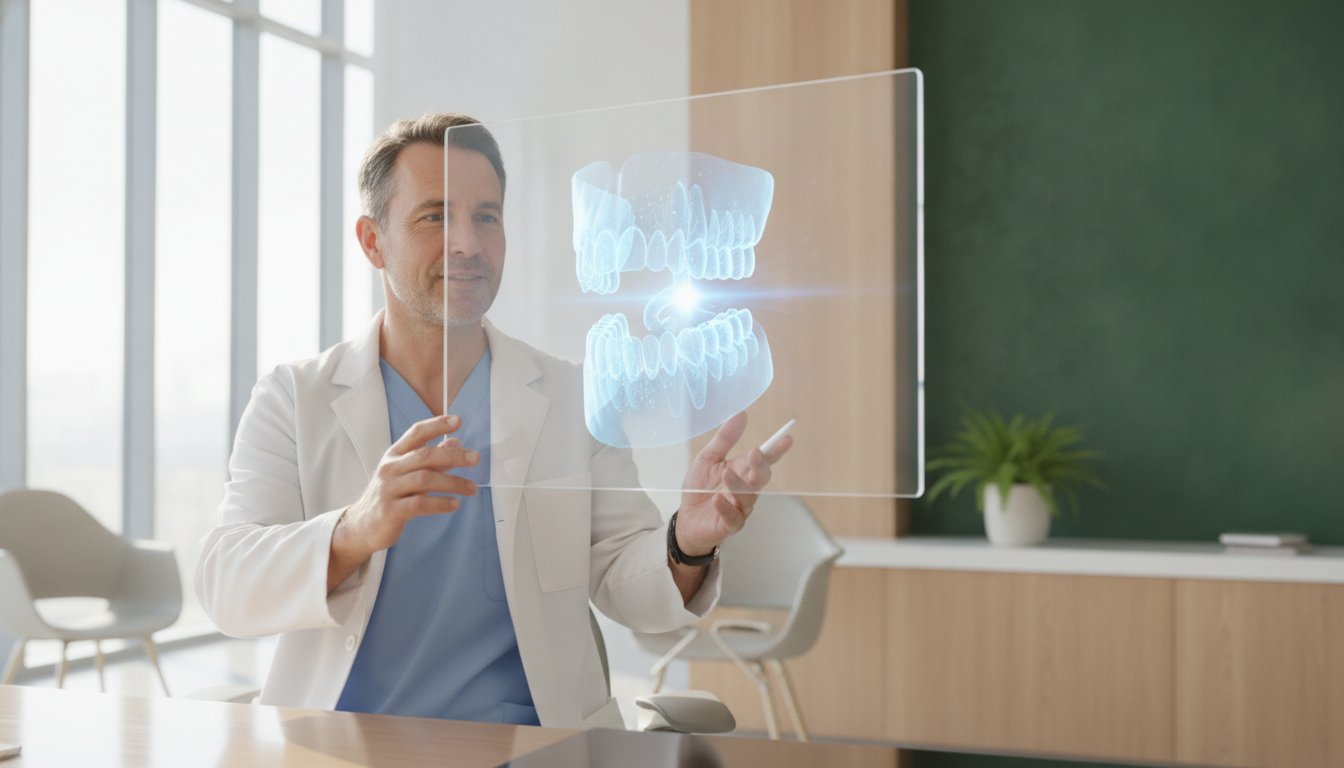
3D Cone Beam Imaging (CBCT) provides a level of visualization that traditional 2D images cannot match. We map the exact volume of your airway and the precise position of your temporomandibular joints. By seeing the joint in 3D, we determine the safest degree of mandibular advancement for your bone structure. This proactive approach allows us to predict and mitigate side effects of oral appliance for sleep apnea before the device is even manufactured. It's about creating a roadmap for health that prioritizes systemic harmony and aesthetic excellence.
Custom Calibration and Titration
True restorative sleep is found through gradual adjustment, a process known as titration. Rather than forcing the jaw into a significant forward position immediately, we advance it in micro-increments. This holistic method prevents the sudden muscle strain that often leads to morning stiffness. Expert monitoring throughout this phase ensures your bite remains stable and your comfort is prioritized. We find the "sweet spot" where your breathing is optimized and your jaw remains relaxed. This careful, clinical oversight is the hallmark of a premium, life-changing experience. Safety through data. Comfort through precision.
Sustainable Sleep: Choosing the Holistic Path
Choosing a path to wellness requires a balanced perspective. While we have explored the potential side effects of oral appliance for sleep apnea, it is vital to weigh these manageable variables against the profound risks of untreated sleep disordered breathing. Obstructive sleep apnea is not merely a snoring problem. It is a systemic challenge that impacts cardiovascular health, cognitive function, and metabolic stability. When you choose a high-precision, custom-calibrated appliance, you aren't just protecting your teeth; you are investing in long-term brain health and heart function. The minor physical adjustments discussed in previous sections are small, controllable steps on a journey toward total vitality.
A holistic approach ensures that your treatment remains a bridge to health rather than a source of new complications. By partnering with a practitioner who values systemic harmony, you ensure that every material choice and structural adjustment is made with your entire body in mind. This refined methodology transforms a simple dental device into a life-changing wellness tool. Safety through science. Comfort through care. Your commitment to restorative sleep is a commitment to a more vibrant, energetic future.
The Holistic Advantage
Precision care leads to superior compliance. Statistics show that while up to 50 percent of CPAP users abandon their therapy within a single year, oral appliance therapy maintains a compliance rate as high as 90 percent over a 2.5 year period. This success stems from the seamless integration of the device into a patient's lifestyle. When an appliance is biocompatible and perfectly fitted, it becomes an effortless part of your nightly ritual. We focus on balancing airway opening with structural integrity, ensuring that your journey to better rest also preserves your aesthetic and functional excellence. This is the hallmark of a patient-centric wellness strategy.
Your Next Steps for Better Rest
Preparing for your initial evaluation is an opportunity to take control of your health narrative. To minimize the risk of side effects of oral appliance for sleep apnea, we recommend using this final checklist when selecting your solution:
- Material Safety: Confirm the use of non-toxic, biocompatible polymers rather than standard resins.
- Diagnostic Depth: Ensure the provider utilizes Digital X-rays and 3D Cone Beam Imaging to map your airway and jaw joints.
- Titration Protocol: Ask about a gradual adjustment schedule to prevent muscle strain and ensure joint comfort.
- Long-Term Monitoring: Verify that there is a clear plan for follow-up appointments to protect your bite and structural alignment.
We invite you to experience a more refined approach to sleep medicine. By asking the right questions and prioritizing technical excellence, you can secure the deep, uninterrupted sleep your body requires without compromising your dental health. Your path to sustainable rest begins with a single, health-conscious choice. Trust your intuition. Trust the data. Reclaim your rest.
Reclaiming Rest Through Biological Precision
Restorative sleep is a cornerstone of systemic health. It shouldn't come at the cost of your dental harmony. By prioritizing biocompatible, non-toxic materials and utilizing advanced 3D Cone Beam Imaging, you can effectively navigate the potential side effects of oral appliance for sleep apnea. These diagnostic tools allow us to map your airway with technical excellence, ensuring your treatment is as safe as it is effective. We bridge the gap between organic health and scientific precision to protect your smile and your vitality.
Our practice brings decades of experience in biological and holistic dentistry to every patient journey. We focus on the interconnectedness of your health, looking beyond symptoms to protect your jaw joints and long-term structural integrity. You don't have to choose between breathing well and protecting your bite. Breathe easier and protect your health; schedule your holistic sleep consultation today. Your path to vibrant, energetic mornings begins with a partner who values your total wellness and aesthetic harmony. Trust in a methodology that respects your body as a whole.
Frequently Asked Questions
Will an oral appliance for sleep apnea change my face shape?
An oral appliance will not alter your underlying skeletal structure or bone shape. It can, however, influence the tone of your facial muscles and the resting position of your jaw. Many patients actually notice a more refreshed and youthful appearance over time. This is often the result of improved systemic oxygenation and the release of chronic facial tension that previously hindered their aesthetic harmony.
How do I know if my jaw pain is a serious side effect?
Serious side effects are characterized by sharp, localized pain or a limited range of motion that persists throughout the afternoon. Normal acclimation usually involves a mild, dull stiffness in the morning that self-corrects within 20 minutes. If you experience persistent clicking or discomfort that interferes with chewing, it indicates that your device requires a professional adjustment to ensure your joint remains protected.
Can I use an oral appliance if I already have TMJ issues?
Yes, you can use an appliance even with existing TMJ concerns, provided the treatment is guided by 3D digital precision. We use 3D Cone Beam Imaging to map your joint space before fabrication. This ensures the advancement of the jaw doesn't compress delicate tissues. A holistic approach often helps stabilize the jaw, potentially providing relief for joint symptoms while simultaneously treating your airway.
What happens if my teeth start to shift while using the device?
Subtle shifting suggests that the appliance needs recalibration to distribute pressure more evenly across the dental arch. While minor movement is a known possibility, custom devices are designed with technical excellence to minimize this risk. Regular clinical monitoring allows us to identify these changes early. We can then make micro-adjustments to protect the long-term integrity of your bite and dental structure.
Are there any side effects if I stop using my oral appliance?
The primary side effect of stopping therapy is the immediate return of obstructive sleep apnea symptoms and the associated systemic stress. Your blood oxygen levels will likely drop again, and the cardiovascular benefits of the therapy will diminish. Because consistency is vital for brain health, we focus on resolving any discomfort through precision adjustments rather than discontinuing the treatment that supports your vitality.
How long do the side effects of a sleep apnea mouth guard last?
Most side effects of oral appliance for sleep apnea, such as increased salivation or mild tooth sensitivity, resolve within 2 to 4 weeks. This window allows your brain and oral tissues to fully adapt to the device's presence. If symptoms continue beyond this initial adjustment phase, it usually signals that a professional micro-adjustment is necessary to restore your comfort and functional harmony.
Can a custom oral appliance cause gum recession?
A precision-fitted appliance made from biocompatible materials does not cause gum recession. Recession is more commonly associated with generic, over-the-counter devices that have rough edges or cause chronic inflammation due to poor material quality. By prioritizing technical excellence and non-toxic materials, we ensure the device respects your soft tissues and supports your overall periodontal health throughout your treatment journey.
Is it normal to have a dry mouth every morning?
It is common to experience a temporary dry mouth during the first few weeks of therapy. This often occurs as your body transitions from mouth breathing to more efficient nasal breathing while wearing the device. Staying hydrated and utilizing a humidifier can provide relief. If the dryness persists, we can evaluate the appliance fit to ensure your lips close comfortably, maintaining a healthy oral environment.