What if the foundation of your smile was a decision that impacted your entire systemic health? When weighing zirconia vs titanium implants pros and cons, the choice is never just about mechanics; it's about how your body interacts with a permanent restoration. You want structural integrity. You want aesthetic perfection. Most importantly, you want to avoid the anxiety of metal sensitivities or the fear of dark lines appearing at your gumline. We agree that your dental health shouldn't be a source of stress, but a cornerstone of your total wellness.
This article provides the clarity you need to choose the most biocompatible and aesthetically harmonious solution for your body. We'll examine the latest 2026 data on survival rates, material strength, and the growing demand for metal-free dentistry. By exploring the technical excellence of modern zirconia alongside the clinical history of titanium, we help you find a path toward a permanent, beautiful smile. Discover how to balance organic health with scientific precision for a result that feels as natural as it looks.
Key Takeaways
- Explore how the transition toward biologically focused care ensures your dental restorations support your immune system and overall systemic wellness.
- Analyze the zirconia vs titanium implants pros and cons to identify which material provides the most harmonious balance of structural integrity and biological safety.
- Discover why zirconia is the preferred choice for a metal-free lifestyle, offering superior aesthetic refinement without the risk of grey lines at the gumline.
- Understand the role of ceramic surfaces in reducing plaque accumulation, promoting healthier gum tissue and long-term restoration success.
- Learn how partnering with a biological dentist allows you to utilize biocompatibility testing for a truly personalized and health-conscious smile transformation.
The Evolution of Dental Implants: Why Material Choice Impacts Systemic Wellness
Restorative dentistry has undergone a profound transformation. In the past, the primary goal was purely functional: filling a gap and restoring a bite. Today, we embrace a more sophisticated philosophy. We recognize that every material placed within the oral cavity has a ripple effect throughout the entire body. The Evolution of Dental Implants reflects this shift from mechanical fixes to biologically focused care. Your choice of material isn't just a dental decision; it's a systemic health investment. When patients weigh zirconia vs titanium implants pros and cons, they're often looking for more than a smile. They're seeking peace of mind.
The mouth is the gateway to the body. Dental materials don't just sit there; they interact with the immune and nervous systems. Some materials can trigger low-grade inflammation or sensitivities that affect your overall wellness. Choosing a solution that promotes systemic harmony ensures your restoration works with your biology, not against it. This interconnectedness is why the distinction between metal-based titanium and ceramic-based zirconia is so vital in 2026. Precision meets wellness. Science meets safety. Understanding these differences is the first step toward a successful, long-term restoration.
Titanium: The Traditional Clinical Standard
Titanium has been the cornerstone of implantology since the 1960s. Its history began in orthopedic surgery before transitioning into dental care. Doctors favored it because of its remarkable ability to facilitate osseointegration, where the bone grows directly into the surface of the metal. It's a durable, established material. Most modern titanium implants are actually alloys, blended with small amounts of other metals to increase strength. While it remains a reliable choice for many, the presence of metal can be a point of concern for those with known sensitivities or a desire for a purely holistic lifestyle.
Zirconia: The Rise of Metal-Free Biocompatibility
Zirconia is the contemporary answer for those seeking biological harmony. Technically known as zirconium dioxide, it's a high-performance ceramic that has earned the nickname "ceramic steel." It offers the incredible toughness of metal without the metallic properties. Patient demand for metal-free alternatives has risen significantly as more people prioritize holistic health. Zirconia provides a refined, aesthetic result that mimics the natural translucency of teeth. It doesn't corrode. It doesn't conduct heat or electricity. It simply integrates beautifully while respecting the body's natural balance. This is the new standard of excellence for the health-conscious individual.
Titanium Dental Implants: Proven Durability and Potential Holistic Concerns
Titanium has earned its reputation through decades of clinical application. Its ability to fuse with bone, a process called osseointegration, provides the structural foundation for millions of smiles. Strength and stability. Tradition and trust. Yet, as we refine our understanding of systemic health, we must scrutinize how these metal restorations behave over time. Evaluating zirconia vs titanium implants pros and cons involves acknowledging that what works mechanically might not always align with your body's unique biological requirements. While titanium is often described as inert, modern clinical observations suggest a more complex relationship between metal and the living tissue of the oral cavity.
The Mechanical Reliability of Titanium
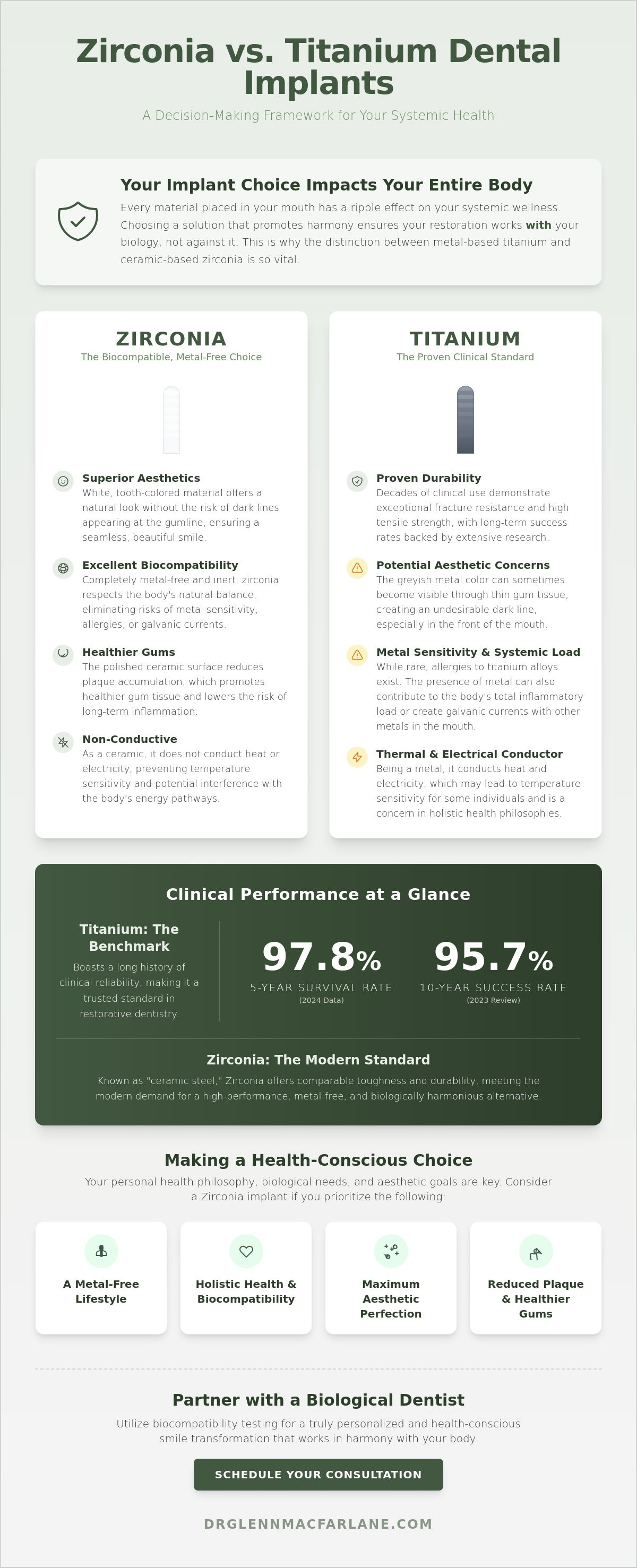
Titanium remains a powerhouse in restorative dentistry due to its exceptional fracture resistance. It withstands the intense pressure of daily biting and chewing without faltering. The material's high tensile strength makes it ideal for slender implant designs or cases where bone volume is limited. Clinical studies support this durability; for instance, a 2023 systematic review reported a 10-year success rate of 95.7% for titanium implants. Additionally, 2024 data showed 5-year survival rates as high as 97.8%. These numbers represent a significant history of reliability. The material's versatility also allows for sophisticated two-piece designs, making it a flexible tool for various restorative challenges and complex full-mouth reconstructions.
Understanding Metal Sensitivity and Galvanic Toxicity
Despite its success, titanium isn't always a silent partner in your oral environment. A common misconception is that titanium is entirely passive. In reality, metal particles can occasionally migrate from the implant site into surrounding tissues or even local lymph nodes. While the documented rate of titanium allergy in the general population is relatively low at 0.6%, the systemic impact of long-term metal exposure is a growing area of focus for wellness-conscious patients. Symptoms of metal hypersensitivity can be subtle, ranging from localized gum irritation to more systemic inflammatory responses that patients often overlook.
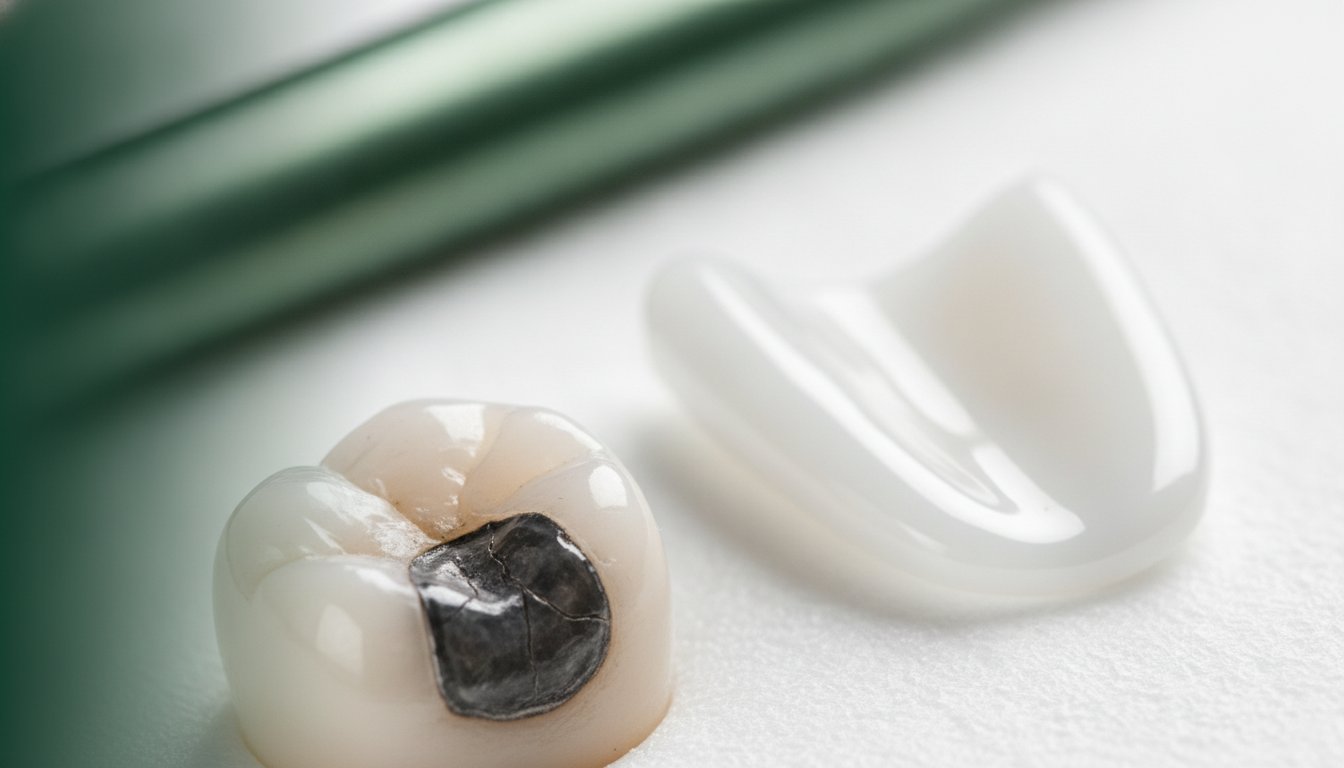
One often-ignored phenomenon is oral galvanism. When different metals exist in the same mouth, they can create a battery-like effect, producing micro-currents in the saliva. This can occur if you have a titanium implant alongside an existing gold crown or an older amalgam filling. These currents may contribute to a metallic taste, unexplained oral discomfort, or even interference with the body's natural electrical signaling. Because of these potential interactions, we recommend exploring Biocompatibility Testing before any surgical procedure. Identifying your body's specific sensitivities ensures that your path to a new smile supports the long-term survival rates of dental implants and your overall systemic harmony.
Zirconia Dental Implants: Aesthetic Excellence Meets Biological Harmony
For the individual prioritizing a metal-free lifestyle, zirconia represents the pinnacle of restorative innovation. While we previously discussed the mechanical history of titanium, evaluating zirconia vs titanium implants pros and cons requires a closer look at how ceramic materials interact with soft tissue. Zirconia isn't just an alternative; it's a refined solution for those who view oral health as a vital component of systemic wellness. This material offers a unique synergy of high-performance durability and biological passivity. It's a choice that respects the body's natural boundaries while delivering a result that is indistinguishable from a natural tooth.
The 2026 landscape has seen a significant evolution in zirconia technology. Newer two-piece designs have bridged the gap in clinical performance, offering 5-year survival rates between 94% and 96.5% in recent studies. Advancements in 5Y-TZP manufacturing have also addressed historical concerns regarding material toughness, with fracture rates now falling below 1.5% in modern clinical trials. This progress ensures that choosing a metal-free path no longer requires a compromise on long-term success. Aesthetic excellence. Biological safety. These are the pillars of contemporary restoration.
Ceramic Strength and Gum Tissue Integration
Zirconia is exceptionally "biocompatible" with the soft periodontal tissues surrounding the implant. Unlike metal surfaces, which can sometimes trigger a chronic inflammatory response, zirconia promotes a healthy, natural seal at the gumline. This integration is crucial for infection control. Clinical data suggests that ceramic surfaces experience significantly lower bacterial adhesion compared to titanium. This reduced plaque accumulation lowers the risk of peri-implantitis, a common cause of implant failure. By fostering a calm, non-reactive environment for your gums, zirconia supports the longevity of both the restoration and the underlying bone.
The Aesthetic Advantage of Metal-Free Restorations
One of the most profound benefits of zirconia is its ability to eliminate the "grey shadow" often associated with titanium. Because the implant post itself is tooth-colored, it provides a "white-on-white" advantage that maintains a bright, natural appearance even if the gum tissue is thin. This makes zirconia the gold standard for front-tooth replacements and patients with thin gum biotypes. There is no risk of a dark metallic line appearing at the gumline over time. Instead, you're left with a restoration that captures and reflects light just like natural enamel. It's a sophisticated approach to beauty that doesn't sacrifice health.
Comparing Zirconia vs. Titanium Implants: A Decision-Making Framework
Selecting a dental restoration is a deeply personal journey. It requires a framework that looks beyond the surface to consider how a material lives within your body. When examining zirconia vs titanium implants pros and cons, we must weigh mechanical history against biological harmony. Titanium offers a legacy of strength and flexibility, yet it remains a metal subject to oxidation and corrosion over time. Zirconia, as a stable ceramic, provides a non-conductive and non-corrosive alternative. Science meets spirit. Modern medicine requires more than a one-size-fits-all approach. Your overall health profile, including existing autoimmune conditions or metal sensitivities, should ultimately dictate your material choice.
The success of an implant depends heavily on clinician expertise. Handling zirconia requires a specific technical precision because ceramic is more rigid than metal. A skilled practitioner understands how to manage these material properties to ensure a seamless integration. We believe in a collaborative process where your unique biology is the primary guide. This ensures your restoration isn't just a mechanical success, but a contributor to your long-term systemic wellness.
Biocompatibility Testing: Personalizing Your Choice
Standard care often ignores the unique immune landscape of the individual. We believe that biocompatibility testing is essential before any surgical intervention. This process allows us to identify how your immune system might react to specific metals or ceramic components. By moving beyond "standard" protocols, we embrace personalized biological dentistry. This proactive step eliminates guesswork, providing a clear roadmap for a restoration that supports your body's natural state of health and balance.
Longevity and Success Rates Compared
Longevity is a crucial factor in your decision. Titanium has decades of documented data, but zirconia has made incredible strides. In 2026, clinical trials for newer 5Y-TZP zirconia designs show fracture rates have dropped below 1.5%. This is a significant improvement from older ceramic models. While titanium maintains a 10-year success rate of approximately 95.7%, zirconia is proving to be a formidable and highly successful alternative. True "success" includes more than bone attachment; it encompasses the health of the surrounding gum tissue and the absence of systemic inflammation. Maintenance for both materials remains similar, requiring diligent oral hygiene and regular professional check-ups to ensure the foundation remains secure. If you're ready to define your path to health, schedule a consultation for Zirconia Dental Implants today.
Choosing Your Path to Oral and Systemic Harmony
Reclaiming your health starts with an informed choice. Throughout this exploration of zirconia vs titanium implants pros and cons, we've highlighted that your smile is a reflection of your internal balance. Choosing zirconia dental implants represents more than a cosmetic upgrade; it's a commitment to a metal-free existence that respects your body's natural state. By removing the potential for metallic interference and chronic inflammation, you're creating a foundation for long-term wellness. A metal-free mouth is a quiet mouth, allowing your immune system to focus its energy where it's needed most.
The role of a biological dentist is to act as your expert guide on this journey. We don't just look at the gap in your teeth; we look at the person behind the smile. This holistic perspective ensures that every material and method used aligns with your systemic goals. When you choose a practitioner who understands the interconnectedness of oral and whole-body health, you're choosing safety, refinement, and peace of mind. Ultimately, evaluating the zirconia vs titanium implants pros and cons leads many health-conscious patients to the same conclusion: biocompatibility is the ultimate standard of care.
Why Holistic Dentistry Favors Ceramic Solutions
Our philosophy is rooted in the principle of "first, do no harm." Ceramic solutions like zirconia are non-conductive, meaning they don't interfere with the body's natural energy flow or meridians. Many practitioners in our field recognize that specific teeth are connected to different organ systems; placing a non-reactive material ensures these pathways remain clear. To enhance the success of your restoration, we integrate advanced modalities like Ozone Therapy and Laser Periodontal Therapy. These tools help eliminate pathogens and stimulate tissue healing, ensuring your new implant integrates into a healthy, vibrant environment. It's a blend of ancient wisdom and modern technical excellence.
Your Consultation: Mapping Your Restoration Journey
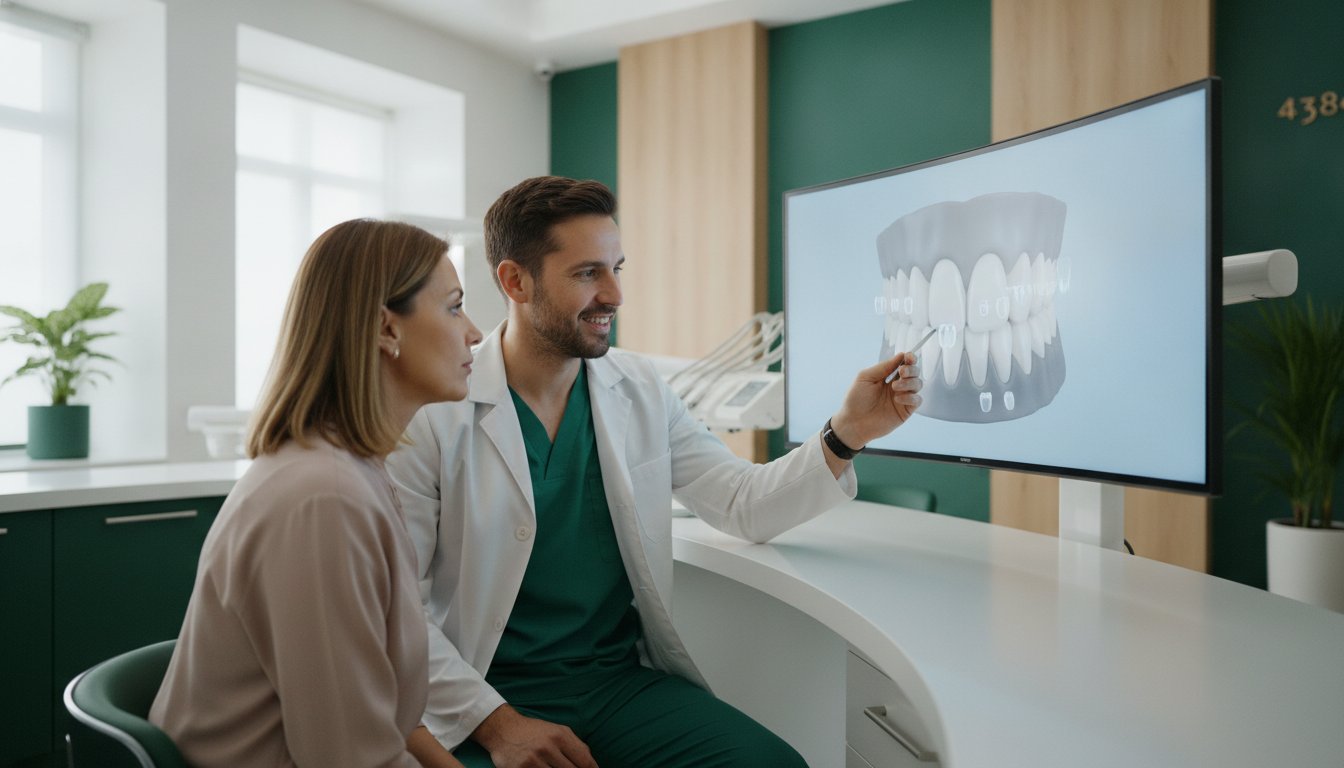
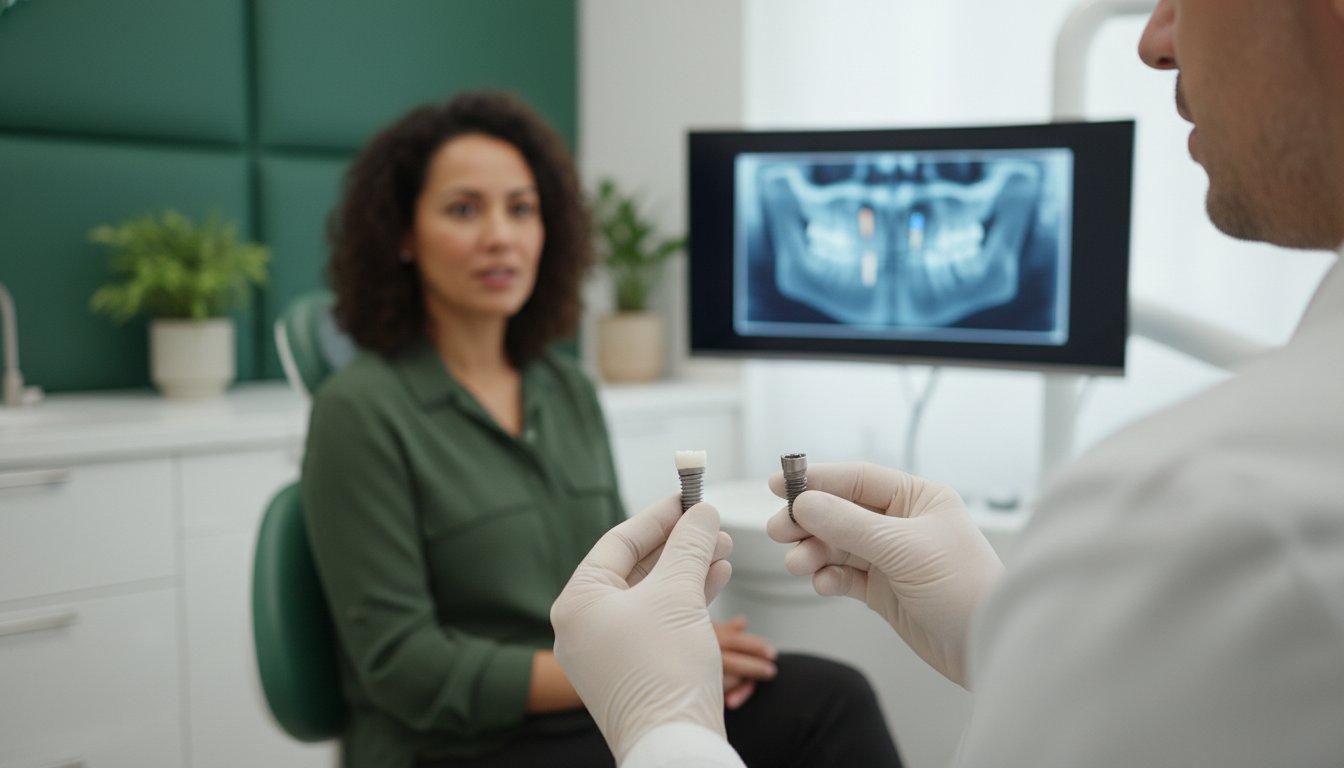
Your journey begins with a comprehensive biological dental evaluation. This isn't a standard check-up. We utilize Digital X-rays and 3D Cone Beam Imaging to capture a precise, three-dimensional view of your oral anatomy. This data allows for safe, exact implant placement tailored to your bone structure. We also discuss your health history and goals to ensure your restoration journey is as smooth as possible. Taking the next step toward a metal-free smile is an investment in your future self. It's time to move beyond confusion and embrace a solution that offers both aesthetic perfection and biological harmony. Your path to a vibrant, healthy smile is ready to be mapped.
Reclaiming Your Health and Your Smile
Your journey toward a permanent restoration is a profound opportunity to align your oral care with your systemic wellness goals. Throughout this guide, we've explored the zirconia vs titanium implants pros and cons, revealing that while titanium has a long clinical history, zirconia offers a unique, metal-free path to biological harmony. Selecting the right material ensures your smile is beautiful, functional, and non-reactive. It's about more than just filling a gap; it's about protecting your total wellness.
Dr. Glenn MacFarlane has been practicing since 1985, bringing decades of reliability and refined wisdom to every restoration. Our practice specializes in sophisticated procedures like SMART Amalgam Removal and utilizes advanced 3D Cone Beam Imaging on-site for unparalleled surgical precision. We don't just provide a service; we act as your expert guide toward a life-changing experience. You deserve a smile that supports your body's natural balance and reflects your inner vitality.
Schedule your biocompatibility consultation with Dr. MacFarlane today to begin your personalized restoration journey. Your vibrant, metal-free smile is within reach.
Frequently Asked Questions
Are zirconia implants more expensive than titanium implants?
Yes, zirconia implants typically require a higher initial investment than traditional titanium options. In 2026, patients often find that zirconia restorations cost between 15% and 25% more due to the advanced ceramic manufacturing process and the specialized expertise required for placement. While the upfront cost is higher, many individuals choose this path for its superior biocompatibility and the long-term aesthetic value of a completely metal-free smile.
Can I be allergic to a titanium dental implant?
While rare, it's possible to have a sensitivity or allergy to titanium. Research indicates that approximately 0.6% of the population has a documented titanium allergy. Symptoms of metal hypersensitivity can include localized inflammation, gum irritation, or systemic responses that are often difficult to diagnose without specific testing. Choosing zirconia provides a non-reactive alternative for those concerned about biological reactivity and immune system harmony.
Do zirconia implants break easier than titanium ones?
Modern zirconia implants are incredibly durable and highly resistant to fracture. Advancements in 5Y-TZP ceramic manufacturing have reduced fracture rates to below 1.5% in recent clinical trials. While titanium has a higher degree of flexibility, today's zirconia designs provide the structural integrity needed to withstand daily biting forces. This makes them a reliable, high-performance choice for both front and back tooth restorations in health-conscious patients.
How long do zirconia dental implants last compared to metal?
Zirconia implants show excellent medium-term success that is increasingly comparable to titanium. Current data indicates a 5-year survival rate of approximately 94% to 96.5% for zirconia, while titanium maintains a 10-year success rate of about 95.7%. When weighing zirconia vs titanium implants pros and cons, it's important to note that while titanium has more decades of data, the rapid evolution of ceramic technology suggests zirconia is a robust, long-lasting solution.
What is oral galvanism and can titanium implants cause it?
Oral galvanism occurs when dissimilar metals in the mouth create a battery-like effect, producing micro-currents in your saliva. Titanium implants can contribute to this phenomenon if you also have gold crowns or silver amalgam fillings. These currents may lead to a metallic taste or interfere with the body's natural electrical signaling. Choosing a ceramic material like zirconia eliminates the risk of galvanic toxicity and supports your body's electrical balance.
Is zirconia a metal or a ceramic?
Zirconia is a high-performance ceramic material, specifically zirconium dioxide. Although its name is derived from the metal zirconium, the oxidation process transforms it into a stable ceramic that is completely metal-free. This unique structure allows it to provide the strength of "ceramic steel" while maintaining the biological passivity and aesthetic beauty required for a holistic dental restoration. It's the ideal bridge between technical excellence and organic health.
Can I replace my existing titanium implants with zirconia?
Yes, it's possible to replace titanium implants with zirconia restorations, though it requires a careful surgical evaluation. This transition involves removing the existing metal post and ensuring sufficient bone volume is present for the new ceramic implant. Many patients choose this path to resolve metal sensitivities or to achieve a more natural appearance. A comprehensive biological assessment is necessary to map out a safe and successful replacement journey for your systemic wellness.
How do I know if I am sensitive to dental metals?
The most reliable way to identify a sensitivity is through professional Biocompatibility Testing. This analysis examines your unique immune response to various dental materials, including metals and ceramics. Understanding your body's specific reactivity allows us to weigh the zirconia vs titanium implants pros and cons based on your individual biology rather than general statistics. This proactive step ensures your restoration supports your long-term health and prevents unnecessary systemic inflammation.